
Garlic has long been hailed not just as a culinary staple, but as a powerhouse of health benefits, particularly for the heart. As someone who has spent years researching natural health remedies and their impacts on cardiovascular health, I can attest to the transformative role garlic can play in our diets. This article explores the science behind garlic’s benefits for heart health, its historical significance, practical applications, and even some caveats to consider.
Contents
The Science Behind Garlic and Heart Health
Garlic (Allium sativum) has been used for thousands of years, not just for its flavor but for its medicinal properties. Ancient Egyptians, Greeks, and Romans valued garlic not only for its taste but also for its ability to ward off illness. In modern times, scientific research has begun to substantiate many of these historical claims.
Key Compounds in Garlic
The heart-healthy benefits of garlic primarily stem from its active compounds, such as allicin, diallyl sulfides, and other sulfur-containing compounds. These components have been shown to:
-
Lower Blood Pressure: A meta-analysis published in the Journal of Clinical Hypertension found that garlic supplements significantly reduced both systolic and diastolic blood pressure in individuals with hypertension (1). This is crucial because high blood pressure is a leading risk factor for heart disease.
-
Reduce Cholesterol Levels: Research published in the American Journal of Clinical Nutrition indicates that garlic can lower total cholesterol levels, particularly LDL (bad cholesterol) while possibly raising HDL (good cholesterol) (2). This dual action helps maintain a healthy cholesterol balance, crucial for cardiovascular health.
-
Anti-Inflammatory Properties: Chronic inflammation is a significant contributor to heart disease. Garlic’s anti-inflammatory properties can help mitigate this risk, making it a valuable addition to a heart-healthy diet.
Real-Life Case Study: The Mediterranean Diet
Consider the Mediterranean diet, which is rich in garlic, olive oil, fish, and fresh vegetables. Studies have shown that populations adhering to this diet experience lower rates of heart disease. The combination of garlic with olive oil, a source of healthy fats, amplifies its benefits. In my experience, incorporating garlic into Mediterranean-inspired dishes not only enhances flavor but also provides a heart-healthy boost.
Practical Applications
Incorporating garlic into your diet can be simple and enjoyable. Here are a few practical ways to add this superfood to your meals:
-
Roasted Garlic: Roasting garlic mellows its flavor and makes it a delicious spread on whole-grain bread.
-
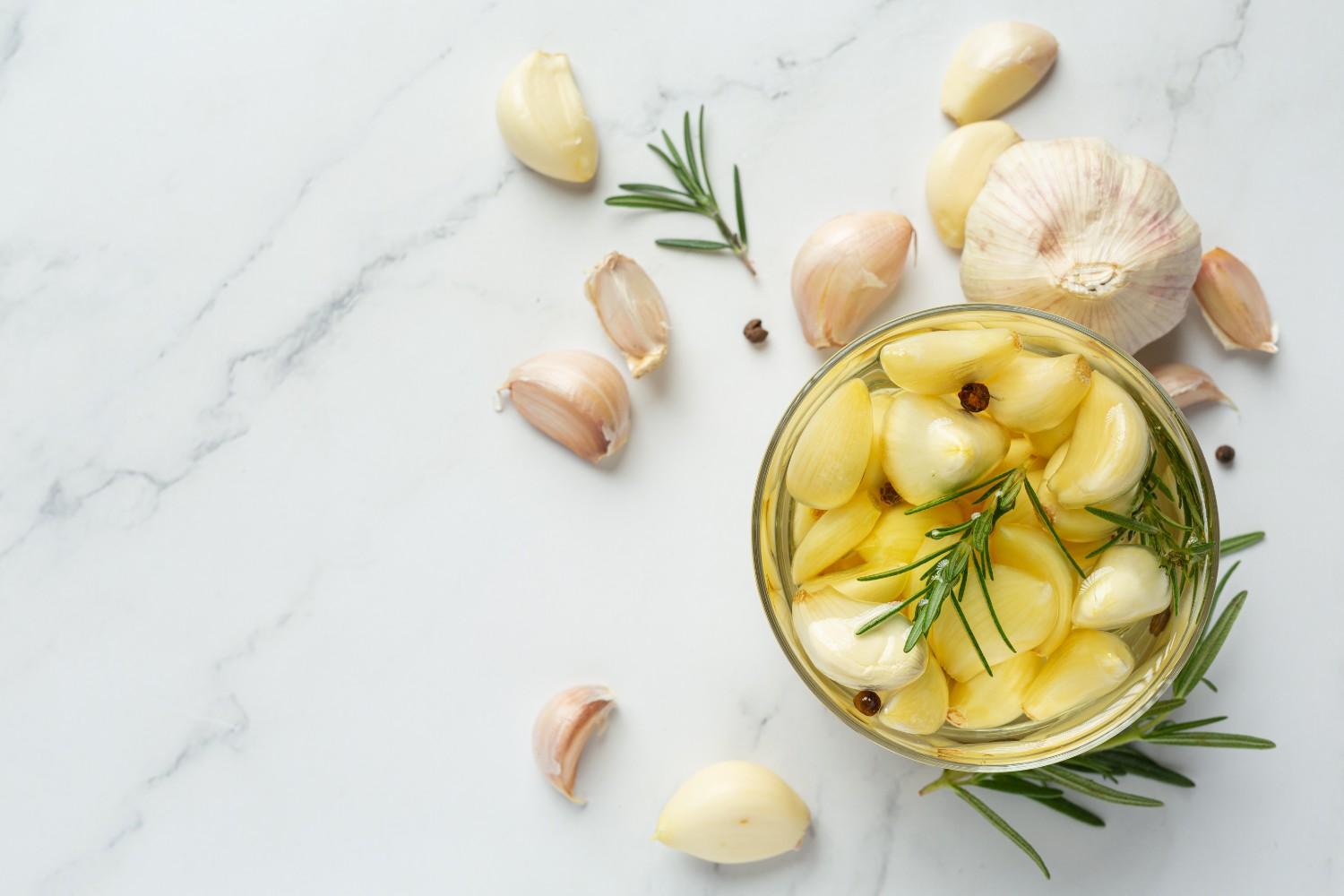
Garlic-Infused Oils: Use garlic-infused olive oil as a dressing for salads or drizzled over vegetables.
-
Soups and Stews: Add minced garlic to soups and stews. It not only enhances flavor but also offers health benefits.
-
Stir-Fries: Garlic pairs well with a variety of vegetables. Toss it in your next stir-fry for an added kick.
Common Mistakes
While garlic is beneficial, there are some common mistakes people make when incorporating it into their diets:
-
Cooking at High Temperatures: Cooking garlic at high temperatures can diminish its health benefits. Try to add garlic towards the end of cooking to preserve its active compounds.
-
Relying Solely on Supplements: While garlic supplements can be effective, whole garlic cloves provide additional nutrients and fiber that supplements lack.
Cultural Significance of Garlic
Garlic’s history is as rich as its flavor. Used in ancient Egypt, it was believed to enhance strength and endurance. Greek athletes consumed it before competitions for its reputed stamina-boosting properties. In traditional Chinese medicine, garlic has been used to treat a variety of ailments, including respiratory issues and digestive disorders.
This cultural backdrop enriches our understanding of garlic’s role in health. It’s not just a food; it’s a symbol of wellness that transcends borders.
Counterpoints and Caveats
Despite the overwhelming evidence supporting garlic’s benefits for heart health, it is essential to approach its use with a balanced perspective.
Mixed Evidence on Supplements
While some studies advocate for garlic supplements, others show mixed results. A review in the British Journal of Nutrition highlighted that while garlic may lower blood pressure and cholesterol, the effects can be inconsistent due to variations in supplement quality and dosage (3).
Potential Side Effects
Garlic can cause gastrointestinal discomfort in some individuals, particularly when consumed in large amounts. I’ve noticed that some friends experience mild heartburn or digestive issues after eating raw garlic. If you’re new to garlic, start with small amounts to see how your body reacts.
Interaction with Medications
Garlic can interact with certain medications, particularly blood thinners. If you’re on such medications, consult your healthcare provider before significantly increasing your garlic intake.
Step-by-Step Guide to Incorporating Garlic into Your Diet
-
Start Small: If you’re not used to eating garlic, begin with one clove a day. Gradually increase your intake as your palate adjusts.
-
Experiment with Cooking Methods: Try roasting, sautéing, or using garlic raw in dressings. Each method offers a different flavor profile and health benefits.
-
Pair with Other Heart-Healthy Foods: Combine garlic with foods rich in omega-3 fatty acids, like salmon or walnuts, to amplify heart health benefits.
-
Create a Garlic Routine: Make garlic a staple in your weekly meal prep. Chop and store minced garlic in the fridge to easily add to meals.
-
Stay Informed: Keep up with the latest research on garlic and heart health. As studies evolve, so might our understanding of how best to utilize this powerful ingredient.
FAQs About Garlic and Heart Health
Q: Can I get the same benefits from garlic supplements?
A: While garlic supplements can offer some benefits, whole garlic contains additional nutrients and compounds that may enhance its effects. Whole food sources are generally recommended.
Q: How much garlic should I consume for heart health?
A: Research suggests that consuming one to two cloves of garlic a day may be beneficial for heart health. However, individual needs can vary.
Q: Are there any risks associated with eating garlic?
A: Some individuals may experience digestive issues or allergic reactions to garlic. If you have concerns, consult a healthcare provider before increasing your intake.
Q: Can garlic help lower blood pressure?
A: Yes, several studies indicate that garlic can help reduce blood pressure, particularly in individuals with hypertension (1).
Q: What’s the best way to prepare garlic to retain its benefits?
A: To retain its health benefits, add garlic towards the end of cooking or consume it raw. Roasting can also be beneficial if done carefully.
Conclusion
Garlic is more than just a flavorful addition to your meals; it’s a heart health essential that has stood the test of time. Its rich history and scientific backing make it a compelling food to incorporate into your daily routine. While there are caveats to keep in mind, the potential benefits of garlic for cardiovascular health are significant.
As research continues to unfold, I encourage you to explore the nuances of garlic and its role in your diet. Whether you’re a garlic lover or a skeptic, there’s a world of flavor and health benefits waiting to be discovered.
Medical Disclaimer: This article is for educational purposes only and does not replace professional medical guidance. Always speak with a qualified healthcare provider before making changes to your health routine.
References
-
Ried, K., et al. (2016). “Effect of Garlic on Blood Pressure: A Systematic Review and Meta-Analysis.” Journal of Clinical Hypertension. Link
-
Ried, K., et al. (2013). “Aged Garlic Extract Reduces Blood Pressure in Hypertensive Subjects.” American Journal of Clinical Nutrition. Link
-
Morihara, N., et al. (2016). “Garlic and Its Active Compounds: A Review of Their Potential as Antihypertensive Agents.” British Journal of Nutrition. Link
Get Your FREE Natural Health Guide!
Subscribe now and receive our exclusive ebook packed with natural health tips, practical wellness advice, and easy lifestyle changes, delivered straight to your inbox.