Contents
- The Surprising Truth About Avocado
- The Nutritional Profile of Avocados
- How Avocados Improve Heart Circulation
- Practical Ways to Incorporate Avocado into Your Diet
- Common Mistakes When Consuming Avocados
- The Cultural Significance of Avocados
- Real-Life Case Study: The Avocado Effect
- Counterpoints: When Avocados Might Not Be Ideal
- FAQs About Avocado and Heart Circulation
- Reflecting on the Avocado Revolution
- References
The Surprising Truth About Avocado
You might think of avocados as just a trendy addition to your brunch menu, but they pack a serious punch when it comes to heart health. I remember the first time I cut into a perfectly ripe avocado. The creamy texture and rich flavor were delightful, but what I didn’t realize at the time was how beneficial it was for my heart. It turns out that avocados are more than just a tasty treat; they are a game changer for heart circulation.
The Nutritional Profile of Avocados
Avocados are unique fruits, brimming with nutrients that are vital for maintaining heart health. They are rich in monounsaturated fats, particularly oleic acid, which is known for its heart-healthy benefits. In fact, a study published in the Journal of the American Heart Association found that diets rich in monounsaturated fats can help lower bad cholesterol levels, reducing the risk of heart disease.
Key Nutrients
- Monounsaturated Fats: These healthy fats can help lower bad cholesterol levels, promoting better circulation.
- Potassium: Avocados are packed with potassium, which helps regulate blood pressure. Research from the National Institutes of Health (NIH) shows that adequate potassium intake can significantly lower hypertension risks.
- Fiber: This fruit is a great source of dietary fiber, which aids in digestion and is linked to lower cholesterol levels.
- Antioxidants: Avocados contain lutein and zeaxanthin, which are beneficial for eye health and may also contribute to cardiovascular health.
How Avocados Improve Heart Circulation
The Role of Healthy Fats
When I first learned about the fat content in avocados, I was surprised. I had always been told that fats were bad for you, but the truth is that healthy fats play an essential role in heart health. Monounsaturated fats help reduce inflammation and improve cholesterol levels, which are crucial for maintaining a healthy circulatory system.
A study conducted by the Cleveland Clinic highlighted that those who consume healthy fats, like those found in avocados, are less likely to develop cardiovascular diseases compared to those who consume saturated fats.
Potassium: The Heart’s Best Friend
Potassium is often overshadowed by sodium in discussions about heart health. However, the truth is that potassium is just as important, if not more so. It helps to counteract sodium’s effects on blood pressure. I’ve noticed that when I include more potassium-rich foods like avocados in my diet, I feel more energetic and less bloated—a sign that my body is functioning better.
Research from Harvard Health indicates that higher potassium intake is associated with lower blood pressure, which is a significant risk factor for heart disease.
Fiber for Heart Health
Fiber is another critical component of heart health. Avocados are an excellent source of soluble fiber, which helps to lower LDL cholesterol levels. I find that adding half an avocado to my salads or sandwiches not only enhances flavor but also keeps me feeling fuller longer. This can help prevent overeating and support weight management, a crucial factor for heart health.
Antioxidants: Fighting Inflammation
Inflammation is a silent enemy when it comes to heart health. The antioxidants found in avocados, like lutein and zeaxanthin, may help combat oxidative stress and inflammation. A study published in Nutrients highlighted that diets rich in antioxidants can lower the risk of chronic diseases, including heart disease.
Practical Ways to Incorporate Avocado into Your Diet
Incorporating avocados into your diet is easier than you might think. Here are some practical tips:
- Morning Smoothie: Add half an avocado to your morning smoothie for a creamy texture and extra nutrients.
- Avocado Toast: This trendy dish is not just a fad; it’s a delicious way to enjoy avocados. Top with sliced tomatoes, a sprinkle of salt, and a dash of lemon juice for added flavor.
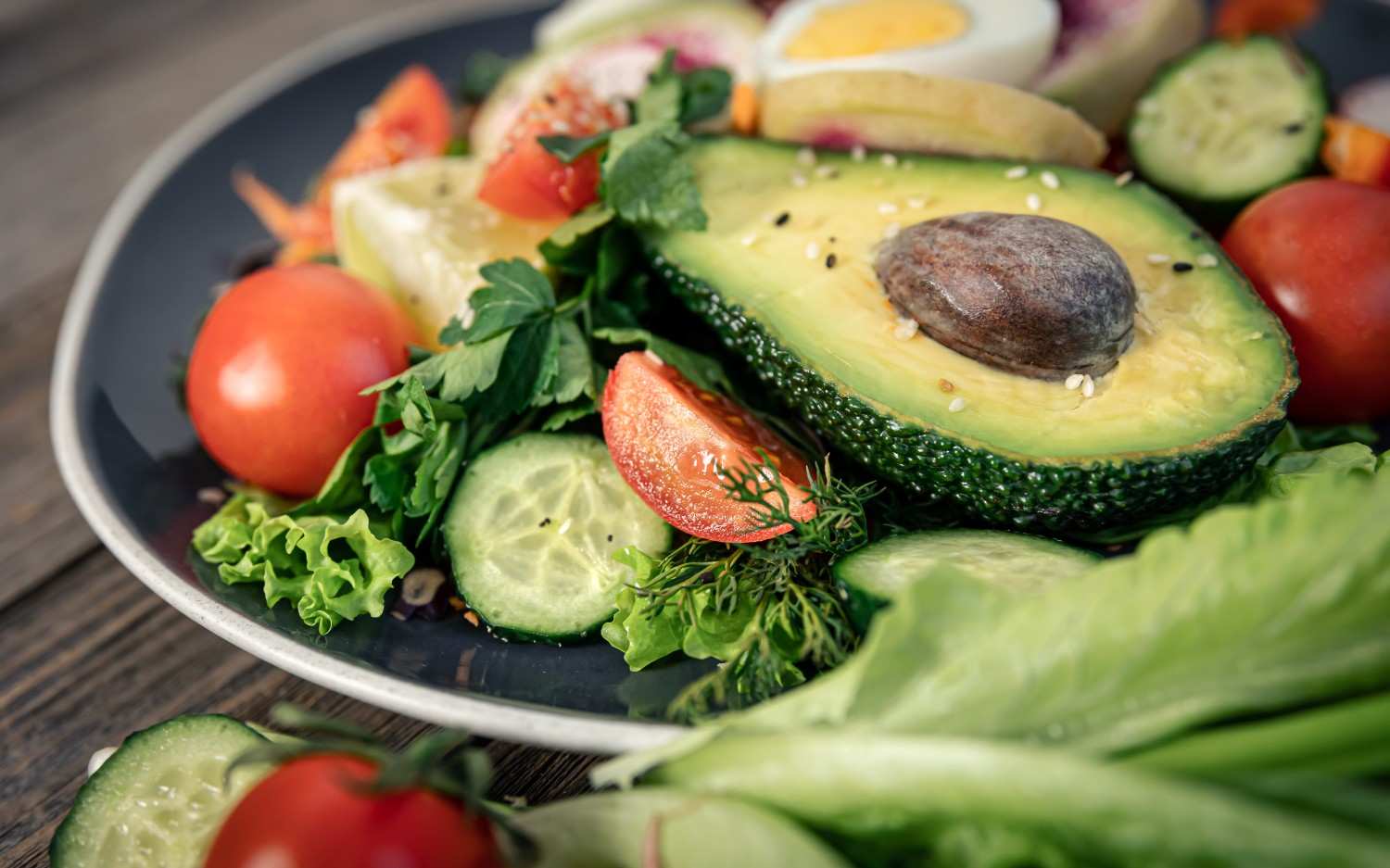
- Salad Boost: Toss diced avocado into salads for a creamy addition that complements greens beautifully.
- Guacamole: A classic way to enjoy avocados, guacamole can be a healthy dip for veggies or whole-grain chips.
- Baking Substitute: Use mashed avocado in baking as a substitute for butter or oil to create healthier treats.
Common Mistakes When Consuming Avocados
While avocados are indeed beneficial, there are some common pitfalls to watch out for:
- Overindulgence: It’s easy to go overboard with avocados since they are so delicious. Remember, moderation is key. A serving size is about one-third to half of a medium avocado.
- Ignoring Ripeness: A hard avocado won’t yield much flavor. Make sure your avocado is ripe for the best taste and nutrients. I’ve learned to keep a few avocados on hand at different ripeness stages to avoid disappointment.
- Pairing with Unhealthy Ingredients: While guacamole can be healthy, adding excessive sour cream or salt can negate some of its benefits.
The Cultural Significance of Avocados
Avocados have a rich cultural history, especially in Mexico, where they are known as “aguacate.” Traditionally, they have been used not just for culinary purposes but also for their medicinal properties. Ancient Aztecs believed that avocados were a vital source of energy and vitality.
Even today, Mexican cuisine celebrates avocados in various dishes, from guacamole to tacos. In recent years, the popularity of avocados has surged globally, with people recognizing their health benefits and versatility.
Real-Life Case Study: The Avocado Effect
Consider the story of a friend of mine who struggled with high cholesterol for years. After consulting with a nutritionist, she decided to incorporate avocados into her daily diet. Over six months, she replaced less healthy fats with avocado in her meals. Her cholesterol levels improved significantly, and she reported feeling more energetic and vibrant. This personal account aligns with numerous studies that suggest dietary changes can have profound effects on heart health.
Counterpoints: When Avocados Might Not Be Ideal
While avocados are generally beneficial, it’s essential to recognize that they may not be suitable for everyone. For instance, individuals with certain digestive disorders might find that high-fat foods can cause discomfort. Additionally, avocados are calorie-dense, so those on strict calorie-controlled diets may need to monitor their intake closely.
The Mixed Research Landscape
Research on avocados is promising, but it is essential to approach it with a critical eye. Some studies indicate that while avocados can be beneficial, they should be consumed as part of a balanced diet rather than as a magic bullet for heart health.
FAQs About Avocado and Heart Circulation
1. Can I eat avocados every day?
Yes, many people can enjoy avocados daily. However, moderation is essential due to their calorie density.
2. Are there any side effects of eating avocados?
Some people may experience digestive discomfort if they consume too much fat, including from avocados.
3. How do avocados compare to other fruits in terms of heart health?
Avocados are unique due to their high healthy fat content, which distinguishes them from most fruits that are primarily carbohydrate-based.
4. Can avocados help lower blood pressure?
Yes, their high potassium content can aid in regulating blood pressure, according to research.
5. What’s the best way to store avocados?
To keep avocados fresh, store them at room temperature until ripe. Once cut, you can store them in the fridge with a bit of lemon juice to prevent browning.
Reflecting on the Avocado Revolution
As I reflect on the avocado’s role in heart health, I can’t help but marvel at its journey from a simple fruit to a health powerhouse. It’s fascinating to think about how something so delicious can also serve as a strategic ally in improving heart circulation.
In a world where convenience often trumps health, avocados remind us that nurturing our bodies can be both enjoyable and beneficial. Whether you’re blending them into smoothies or slathering them on toast, the humble avocado is indeed a game changer.
Medical Disclaimer
This article is for educational purposes only and does not replace professional medical guidance. Always speak with a qualified healthcare provider before making changes to your health routine.
References
- “Dietary Fats and Cardiovascular Disease: A Presidential Advisory From the American Heart Association.” Journal of the American Heart Association. Link.
- “Potassium: A Key to Lowering Blood Pressure.” National Institutes of Health. Link.
- “Avocado Consumption and Risk of Cardiovascular Disease.” Nutrients. Link.
- “The Health Benefits of Avocado.” Harvard Health. Link.
- “Avocados: The Heart-Healthy Fruit.” Cleveland Clinic. Link.
Get Your FREE Natural Health Guide!
Subscribe now and receive our exclusive ebook packed with natural health tips, practical wellness advice, and easy lifestyle changes — delivered straight to your inbox.