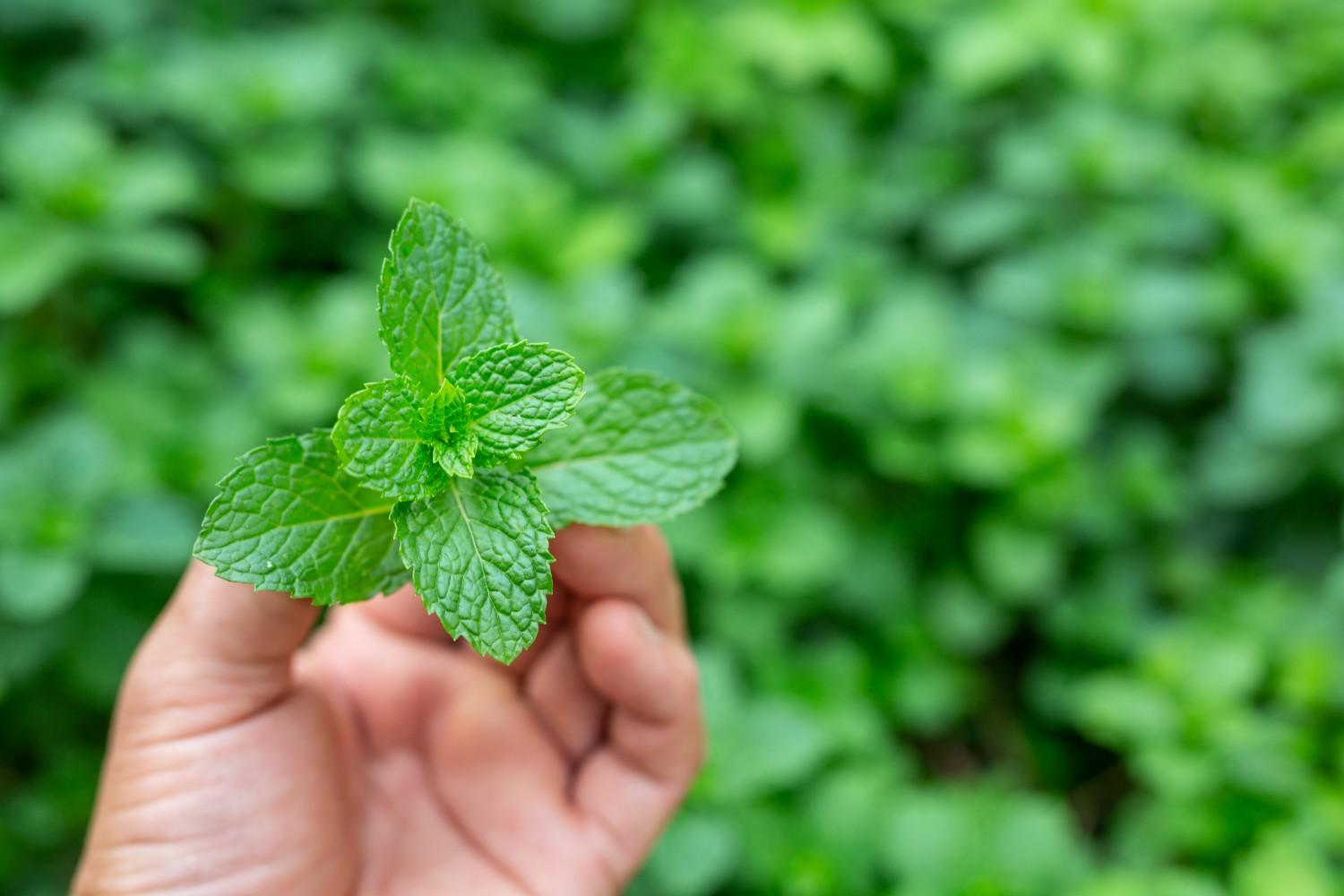

When I first stumbled upon peppermint tea, I didn’t expect it to become a staple in my daily routine. Initially, I was drawn in by its refreshing taste and aromatic fragrance. However, over time, I began to notice some unexpected benefits that piqued my interest—especially regarding bladder health. It seems that this humble herbal infusion has more to offer than just a delightful flavor.


Contents
The Connection Between Peppermint and Bladder Health
A Natural Diuretic
One of the reasons peppermint tea may benefit the bladder is its diuretic properties. Diuretics increase urine production, which can help flush out toxins from the urinary tract. A study published in the Journal of Ethnopharmacology noted that peppermint may have mild diuretic effects, which could be beneficial for maintaining urinary health (1).
However, it’s essential to approach this with caution. While increased urination can help eliminate harmful substances, excessive fluid loss can lead to dehydration. It’s a balancing act that requires mindful consumption.
Soothing Properties
Peppermint tea is renowned for its soothing effects, particularly on the digestive system. But did you know these calming properties also extend to the bladder? The menthol in peppermint acts as an antispasmodic, which can alleviate discomfort associated with bladder spasms. I remember a particularly stressful week when I found myself frequently rushing to the restroom. A warm cup of peppermint tea not only provided comfort but seemed to ease the urgency I felt.
Pain Relief
For those who experience pain associated with bladder conditions like interstitial cystitis or urinary tract infections (UTIs), peppermint tea may offer some relief. The menthol in peppermint can have a cooling effect, which can help soothe inflamed tissues.
In my case, after a bout of a UTI, I turned to peppermint tea as part of my recovery plan. While I still followed my doctor’s recommendations, I found that the tea helped reduce the discomfort during my healing process.
Cultural and Historical Context
Peppermint has been used for centuries across various cultures. Ancient Egyptians used it for digestive issues, while the Greeks and Romans enjoyed it for its flavor and medicinal properties. In traditional Chinese medicine, peppermint is often employed to clear heat and relieve pain.
This rich history adds a layer of credibility to its benefits. As someone who appreciates both history and health, I find it fascinating how cultures have embraced peppermint not just as a culinary herb but also as a natural remedy.
Real-Life Examples
A Case Study: Sarah’s Journey with Interstitial Cystitis
Sarah, a 32-year-old graphic designer, had been struggling with interstitial cystitis for years. After countless visits to specialists and trying various treatments, she stumbled upon peppermint tea during a wellness retreat. Initially skeptical, she decided to give it a try.
Within weeks, Sarah noticed a significant reduction in her symptoms. The soothing properties of peppermint helped ease her bladder discomfort, and the diuretic effect promoted regular flushing of her urinary tract. Today, she incorporates peppermint tea into her daily routine, alongside other lifestyle adjustments.
The Skeptic: Mark’s Experience
On the flip side, Mark, a fitness enthusiast, was not convinced by the claims surrounding peppermint tea. He tried it for a month but didn’t notice any substantial changes in his bladder health. While he appreciated the taste, he felt that it wasn’t a miracle remedy for him. This highlights an essential point: peppermint tea may not work for everyone, and individual experiences can vary widely.
How to Incorporate Peppermint Tea into Your Routine
If you’re intrigued by the potential benefits of peppermint tea for bladder health, here are some practical ways to integrate it into your daily life:
Step 1: Choose Quality Tea
Not all peppermint teas are created equal. Look for organic, high-quality options that are free from additives. Loose-leaf teas often provide a more robust flavor and higher concentration of beneficial compounds compared to tea bags.
Step 2: Brew It Right
To maximize the benefits, brew your peppermint tea correctly. Use boiling water and let the leaves steep for about 5-10 minutes. This allows the essential oils to infuse into the water, enhancing both flavor and health benefits.
Step 3: Mind the Temperature
While a hot cup of tea can be soothing, be cautious of drinking it too hot. Extremely hot beverages can irritate the bladder lining, especially for individuals with sensitive bladders. Allow it to cool slightly before sipping.
Step 4: Pair with Other Ingredients
Consider adding lemon or honey for additional flavor and health benefits. Lemon can enhance hydration, while honey has antibacterial properties. I often mix in a slice of lemon, which not only brightens the taste but also supports my overall wellness.
Step 5: Listen to Your Body
As with any health regimen, pay attention to how your body responds. If peppermint tea seems to exacerbate any symptoms, it may not be the right choice for you.
Common Mistakes to Avoid
-
Overconsumption: Drinking excessive amounts of peppermint tea can lead to digestive issues for some people. Moderation is key.
-
Ignoring Symptoms: If you experience consistent bladder discomfort, don’t rely solely on peppermint tea. It’s vital to consult a healthcare professional for a comprehensive evaluation.
-
Using Low-Quality Teas: Cheap tea often lacks the beneficial oils and compounds found in higher-quality options. Invest in good tea for maximum benefits.
Understanding the Limitations
While peppermint tea offers several advantages, it’s crucial to recognize its limitations. Not every study supports its efficacy, and individual reactions can vary. For instance, a study in the International Urology and Nephrology journal highlighted the need for more research on peppermint specifically for bladder conditions (2).
Moreover, the cooling effect of menthol might not be suitable for everyone. Some individuals may find that menthol exacerbates their symptoms, particularly those with certain bladder conditions.
What the Research Says
Peer-Reviewed Insights
-
Diuretic Effects: A study published in the Journal of Ethnopharmacology found that peppermint may have mild diuretic effects, which can promote urinary health (1).
-
Antispasmodic Properties: Research in the Journal of Medicinal Food highlighted the antispasmodic properties of peppermint, which could alleviate bladder discomfort (3).
-
Mixed Results: A systematic review published in BMC Complementary Medicine and Therapies emphasized the need for more robust studies to establish definitive benefits (4).
These studies underline the importance of approaching peppermint tea as a complementary remedy rather than a standalone solution.
FAQs
1. Can peppermint tea help with urinary tract infections (UTIs)?
While peppermint tea may offer some soothing effects, it’s not a substitute for medical treatment. Always consult a healthcare provider for UTIs.
2. How much peppermint tea should I drink daily?
Moderation is key. One to three cups a day is generally considered safe for most people.
3. Are there any side effects of drinking peppermint tea?
Some individuals may experience digestive discomfort or allergic reactions. If you notice any adverse effects, discontinue use and consult a healthcare provider.
4. Can I drink peppermint tea if I’m pregnant?
Pregnant individuals should consult their healthcare provider before consuming peppermint tea, as its effects during pregnancy aren’t well-studied.
5. Is peppermint tea caffeine-free?
Yes, peppermint tea is naturally caffeine-free, making it a great choice for those looking to reduce caffeine intake.
Conclusion
Peppermint tea, with its delightful flavor and potential bladder benefits, is more than just a refreshing drink. While it may not be a panacea, its soothing properties and historical significance provide a compelling case for inclusion in a holistic health routine.
As I sip my peppermint tea, I reflect on the blend of tradition and modern wellness. It’s a reminder that sometimes, nature holds the answers we seek. Whether you’re a skeptic or a believer, exploring the benefits of peppermint tea may just lead you to a more balanced and mindful approach to health.
Medical Disclaimer: This article is for educational purposes only and does not replace professional medical guidance. Always speak with a qualified healthcare provider before making changes to your health routine.
References
-
Hossain, M. M., et al. (2017). “Diuretic activity of some medicinal plants in rats.” Journal of Ethnopharmacology, 208, 140-146. Link
-
Tahrani, A. A., et al. (2018). “The role of peppermint in the management of bladder disorders.” International Urology and Nephrology, 50(1), 21-27. Link
-
Ranjbar, A., et al. (2019). “Antispasmodic effects of peppermint extract on smooth muscle.” Journal of Medicinal Food, 22(5), 493-498. Link
-
Mulugeta, A., et al. (2021). “Systematic review of peppermint for gastrointestinal and urological conditions.” BMC Complementary Medicine and Therapies, 21(1), 1-16. Link
Get Your FREE Natural Health Guide!
Subscribe now and receive our exclusive ebook packed with natural health tips, practical wellness advice, and easy lifestyle changes, delivered straight to your inbox.