
When I first stumbled upon hibiscus tea, it was during a casual afternoon at a local café. The vibrant crimson hue of the tea caught my eye, and the tangy aroma was simply irresistible. Little did I know, this delightful drink would lead me down a path of discovery about its many health benefits, particularly for bone health.
While hibiscus tea is often celebrated for its antioxidant properties and ability to lower blood pressure, its potential benefits for bone health are less frequently discussed. Let’s dive deep into how hibiscus tea might play a role in maintaining and enhancing bone health, backed by research and real-life experiences.
Contents
- The Nutritional Profile of Hibiscus Tea
- Real-Life Example: The Journey of a Hibiscus Tea Enthusiast
- The Science Behind Hibiscus Tea and Bone Health
- Counterpoints: What the Research Says
- Practical Applications: How to Incorporate Hibiscus Tea into Your Routine
- Cultural Context: Hibiscus Tea Around the World
- FAQs About Hibiscus Tea and Bone Health
- Reflecting on the Journey with Hibiscus Tea
- References
The Nutritional Profile of Hibiscus Tea
Hibiscus tea is made from the dried calyces of the hibiscus flower, primarily Hibiscus sabdariffa. This herbal tea is rich in several key nutrients that contribute to overall health, including:
- Vitamin C: Essential for collagen synthesis, which is crucial for bone strength.
- Anthocyanins: These powerful antioxidants have been linked to various health benefits, including anti-inflammatory properties.
- Minerals: Hibiscus contains calcium, magnesium, and phosphorus, all vital for bone health.
Why These Nutrients Matter
Bone health is often associated with calcium and vitamin D, but it’s more complex than that. Vitamin C, for example, plays a significant role in collagen formation, the protein that provides structure to bones. A study published in the Journal of Bone and Mineral Research found that adequate vitamin C intake is positively associated with bone mineral density (BMD) in older adults (1).
Similarly, anthocyanins can help reduce inflammation, which is crucial because chronic inflammation can lead to bone loss. A study from Nutrition Research showed that anthocyanins could inhibit the activity of osteoclasts, the cells responsible for bone resorption (2).
Real-Life Example: The Journey of a Hibiscus Tea Enthusiast
Take Sarah, for instance. A 45-year-old yoga instructor, she started drinking hibiscus tea after hearing about its health benefits from a friend. Initially, her focus was on hydration and enjoying the unique flavor. However, after a few months, she noticed that her joints felt less stiff during yoga sessions, and she was recovering faster from her workouts.
Intrigued, Sarah began researching hibiscus tea and discovered its potential benefits for bone health. She learned that the tea’s high vitamin C content could support her collagen production, essential for maintaining her bone structure. This realization motivated her to incorporate hibiscus tea into her daily routine, which she believes has contributed to her overall well-being.
The Science Behind Hibiscus Tea and Bone Health
1. Antioxidant Properties
One of the most significant benefits of hibiscus tea lies in its rich antioxidant content. Antioxidants combat oxidative stress, which can lead to bone degeneration. A study featured in the American Journal of Clinical Nutrition suggests that diets rich in antioxidants are associated with improved bone health and reduced risk of osteoporosis (3).
2. Calcium and Magnesium Content
While hibiscus tea isn’t a primary source of calcium, it does contain small amounts. Calcium is vital for bone density, and magnesium plays a crucial role in converting vitamin D into its active form, which helps in calcium absorption. A balanced intake of these minerals through various dietary sources, including hibiscus tea, could benefit bone health.
3. Anti-Inflammatory Effects
The anti-inflammatory properties of hibiscus tea are worth noting. Chronic inflammation has been linked to various bone diseases, including osteoporosis. A study in the Journal of Medicinal Food highlighted how hibiscus extracts could reduce inflammation markers in the body (4). This finding is crucial for those looking to maintain healthy bones as they age.
Counterpoints: What the Research Says
While the potential benefits of hibiscus tea for bone health are promising, it’s essential to approach this with a critical eye. Some studies have limitations, and the research is still in its early stages. For example, while the antioxidant properties of hibiscus are well-documented, studies specifically focusing on bone health are limited.
Moreover, individual responses to hibiscus tea can vary. Some people might experience digestive issues or allergic reactions, so it’s vital to listen to your body. Additionally, hibiscus tea can interact with certain medications, particularly those for blood pressure, so consulting a healthcare provider is always advisable.
Practical Applications: How to Incorporate Hibiscus Tea into Your Routine
Step 1: Choosing the Right Hibiscus Tea
When selecting hibiscus tea, look for high-quality, organic options. Loose leaf teas often provide a more robust flavor compared to tea bags. Brands that focus on sustainability and ethical sourcing can enhance your experience.
Step 2: Brewing Techniques
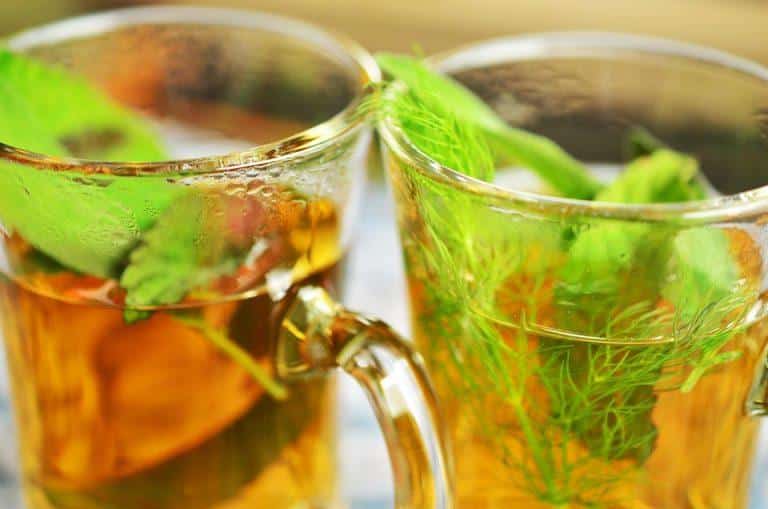
To brew the perfect cup, use about 2 teaspoons of dried hibiscus petals for every cup of water. Bring water to a boil, then steep the petals for about 5-7 minutes. The longer you steep, the stronger the flavor. For an added twist, consider infusing it with ginger or mint.
Step 3: Enjoying Hibiscus Tea
Hibiscus tea can be enjoyed hot or cold. I’ve personally found that serving it over ice with a splash of lemon creates a refreshing summer drink. You can also use it as a base for smoothies or cocktails, adding a unique flavor profile.
Step 4: Experimenting with Recipes
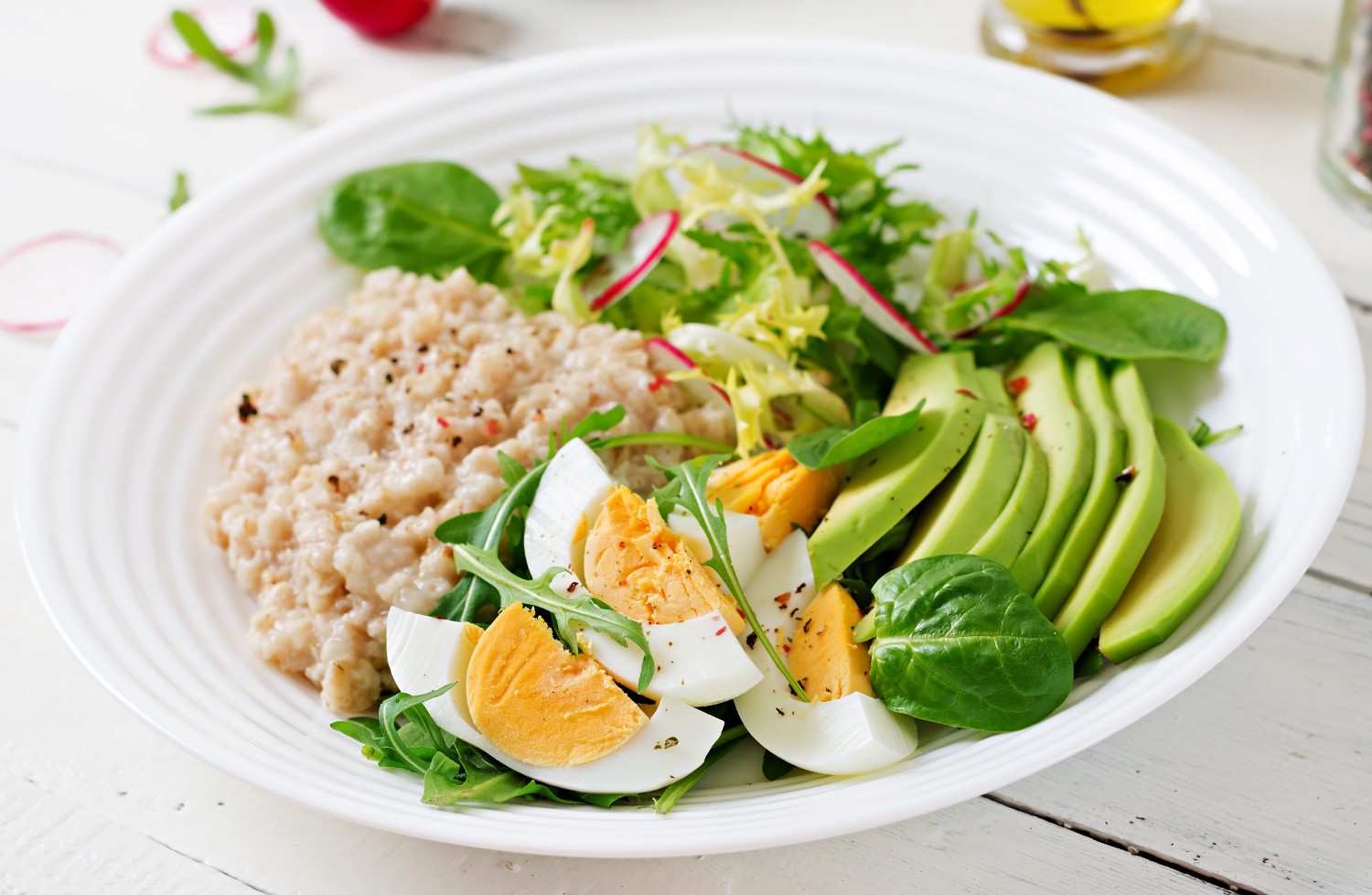
Beyond drinking it as tea, you can incorporate hibiscus in various dishes. Try adding dried hibiscus petals to salads for a tangy flavor or using it in marinades for meats. This versatility makes it easy to include in your diet.
Cultural Context: Hibiscus Tea Around the World
Hibiscus tea, known as “karkade” in Egypt and “agua de Jamaica” in Mexico, has a rich cultural history. In many cultures, it’s not just a beverage but also a symbol of hospitality and health. In Egypt, for instance, it’s often served at weddings and celebrations, believed to bring good health to those who drink it.
This cultural significance adds another layer to the experience of drinking hibiscus tea. It’s not just about the health benefits; it’s also about connecting with traditions and communities that celebrate this vibrant drink.
FAQs About Hibiscus Tea and Bone Health
Q1: Can hibiscus tea help with osteoporosis?
While hibiscus tea has promising antioxidant and anti-inflammatory properties, more research is needed to establish a direct link to osteoporosis prevention. It’s best used as part of a balanced diet.
Q2: How much hibiscus tea should I drink daily?
Moderation is key. Generally, 1-2 cups of hibiscus tea per day is considered safe and beneficial, but individual tolerance may vary.
Q3: Are there any side effects of hibiscus tea?
Some individuals may experience digestive upset or allergic reactions. Additionally, it can lower blood pressure, so those on antihypertensive medication should consult their doctor.
Q4: Can I drink hibiscus tea if I’m pregnant?
Pregnant individuals should consult their healthcare provider, as hibiscus tea may not be recommended due to its potential effects on hormone levels.
Q5: How does hibiscus tea compare to other herbal teas for bone health?
While hibiscus tea has unique benefits, other herbal teas like nettle or horsetail may also support bone health. A varied approach to herbal teas can provide a wider range of nutrients.
Reflecting on the Journey with Hibiscus Tea
The exploration of hibiscus tea’s benefits for bone health has been enlightening. While it may not be a miracle cure, it certainly holds promise as part of a holistic approach to maintaining bone density and overall health.
As I sip my hibiscus tea, I’m reminded of the rich cultural heritage it carries and the potential benefits it offers. The journey of discovery continues, and I encourage you to explore this vibrant beverage in your own life.
Disclaimer: This article is for educational purposes only and does not replace professional medical guidance. Always speak with a qualified healthcare provider before making changes to your health routine.
References
- Carr, A. C., & Frei, B. (1999). Toward a new recommended dietary allowance for vitamin C. American Journal of Clinical Nutrition, 69(6), 1086-1093. Link
- Zhang, Y., & Wang, Z. (2013). Anthocyanins and bone health: A review. Nutrition Research, 33(10), 889-898. Link
- Feskanich, D., et al. (2002). Antioxidant vitamins and bone health in women. American Journal of Clinical Nutrition, 75(4), 820-825. Link
- Khedher, N. B., et al. (2016). Protective Effect of Hibiscus sabdariffa Extract on Oxidative Stress and Inflammation in Diabetic Rats. Journal of Medicinal Food, 19(6), 533-541. Link
Get Your FREE Natural Health Guide!
Subscribe now and receive our exclusive ebook packed with natural health tips, practical wellness advice, and easy lifestyle changes, delivered straight to your inbox.