
Imagine curling up in your favorite cozy spot, a warm blanket draped around your shoulders, and the enticing aroma of ripe fruits wafting through the air. For many, this scene represents comfort and relaxation, but what if I told you that certain fruits possess not just delightful flavors but also soothing properties that can help usher in a peaceful night’s sleep? Let’s explore the world of “sleepy body fruits” and their calming benefits for our minds and bodies.

Contents
The Power of Nature’s Sleep Aids
As someone who has spent years researching natural health remedies, I’ve come across numerous ways to enhance sleep quality. One particularly fascinating area is the use of fruits known for their calming effects. Fruits like cherries, bananas, and kiwi are more than just delicious snacks; they possess unique compounds that can promote relaxation and improve sleep patterns.
What Makes These Fruits Sleepy?
Many fruits contain high levels of certain nutrients and compounds that either directly affect sleep or influence our overall well-being. Here are a few key players:
-
Melatonin: This hormone regulates sleep-wake cycles. Fruits like cherries and grapes contain melatonin, which can help signal to your body that it’s time to wind down.
-
Magnesium: Found abundantly in bananas, magnesium is essential for muscle relaxation and calming the nervous system. A deficiency can lead to insomnia and restless nights.
-
Serotonin: This neurotransmitter is crucial for mood regulation. Some fruits, like kiwi, are rich in antioxidants that can help improve serotonin levels, contributing to better sleep quality.
Cherries: Nature’s Sleep Pill
Cherries, especially tart varieties, have gained attention for their sleep-enhancing properties. A study published in the Journal of Medicinal Food found that participants who consumed tart cherry juice experienced improved sleep duration and quality. The natural melatonin content in cherries acts as a gentle nudge to help your body recognize when it’s time to sleep.
Practical Application
Incorporating cherries into your diet can be simple. Try a glass of tart cherry juice before bed or add fresh cherries to your evening yogurt. Personally, I’ve found that a small bowl of cherries (or a splash of cherry juice) can make a noticeable difference in my ability to drift off peacefully.
Bananas: The Sleep-Inducing Snack
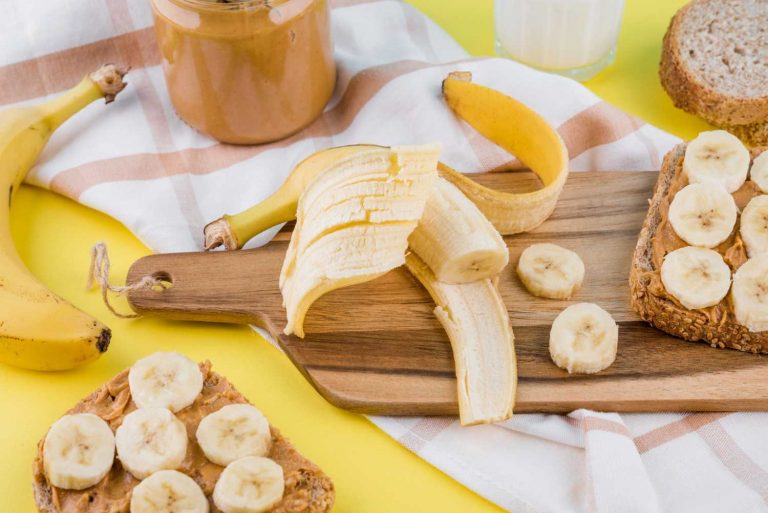
Bananas are often touted as a great source of potassium and magnesium, both of which support muscle relaxation. Additionally, bananas contain tryptophan, an amino acid that the body converts into serotonin and melatonin. This combination makes bananas an ideal pre-bedtime snack.
Real-Life Example
A friend of mine swears by her nightly banana ritual. She slices a banana and pairs it with a dollop of almond butter, which not only curbs her hunger but also helps her wind down. She claims this simple habit has transformed her sleep routine, and I’ve noticed similar benefits when I’ve followed suit.
Kiwi: The Sleep Superfruit
Kiwi is another fruit that has been linked to sleep improvement. A study published in Advances in Nutrition revealed that participants who consumed two kiwis an hour before bedtime experienced a significant reduction in sleep onset time. The antioxidants and serotonin in kiwi may play a crucial role in achieving restful sleep.
Cultural Note
In some cultures, kiwi is celebrated not just for its taste but also for its health benefits. In traditional Chinese medicine, kiwi is used for its ability to nourish the heart and calm the mind. This cultural heritage highlights the fruit’s long-standing reputation as a natural remedy for sleep issues.
The Role of Other Fruits
While cherries, bananas, and kiwi take center stage, several other fruits also contribute to sleep quality. Here are a few worth mentioning:
-
Oranges: Rich in vitamin C and antioxidants, oranges can help reduce stress and promote a sense of calm before bedtime.
-
Avocado: A unique fruit, avocados are loaded with healthy fats and magnesium, making them a fantastic addition to any sleep-enhancing diet.
-
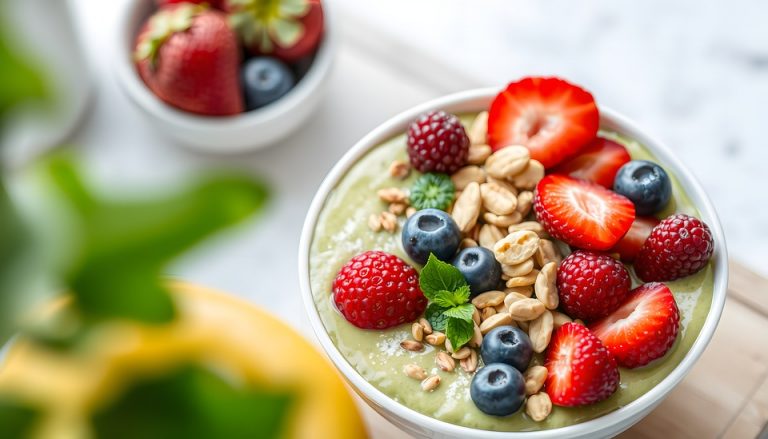
Berries: Strawberries, blueberries, and blackberries are packed with antioxidants, which can help combat stress and anxiety.
Common Mistakes to Avoid
While incorporating these fruits into your diet can be beneficial, it’s essential to recognize that moderation is key. Overindulging, especially in high-sugar fruits, may lead to spikes in blood sugar that can disrupt sleep. It’s wise to maintain a balanced approach.
The Science Behind Sleepy Body Fruits
Understanding the science behind these fruits adds another layer of credibility to their sleep-enhancing properties. Research indicates that certain compounds in these fruits can impact our body’s sleep mechanisms.
Peer-Reviewed Studies
-
Tart Cherry Juice and Sleep Quality: A study published in the Journal of Medicinal Food demonstrated that participants who consumed tart cherry juice reported longer sleep duration and improved sleep quality. The melatonin in the juice was identified as a key factor.
-
Kiwi and Sleep Onset: Research in Advances in Nutrition found that eating two kiwis one hour before bed can decrease the time it takes to fall asleep, likely due to the fruit’s serotonin content.
These studies highlight the potential of these fruits as natural sleep aids, providing a scientific basis for their inclusion in your nightly routine.
Integrating Sleepy Body Fruits into Your Life
Now that we’ve explored the benefits of these fruits, how can you seamlessly integrate them into your lifestyle? Here are some practical tips:
Step-by-Step Guide
-
Create a Sleepy Fruit Smoothie: Blend together a banana, a handful of spinach, a kiwi, and a splash of tart cherry juice for a nutritious pre-bedtime drink. The combination of fruits provides a natural dose of melatonin and magnesium.
-
Snack Wisely: Instead of reaching for processed snacks, keep a bowl of fresh cherries, bananas, and kiwi on your kitchen counter. This makes it easy to grab a healthy option when cravings hit.
-
Experiment with Recipes: Incorporate these fruits into your meals. Consider adding sliced bananas to your morning oats or tossing berries into your salad for a refreshing lunch.
-
Mindful Eating: As you enjoy these fruits, take a moment to appreciate their flavors and textures. Mindfulness can enhance your eating experience and promote relaxation.
Personal Reflection
I’ve noticed that my sleep quality improves when I make a conscious effort to include these fruits in my evening routine. It’s a small change that doesn’t require much effort but can yield significant benefits.
Counterpoints: When Fruits Might Not Help
While many people find relief from sleep issues by incorporating these fruits, it’s essential to recognize that they may not work for everyone. Some individuals have food sensitivities or allergies that could hinder their ability to enjoy these fruits. Additionally, relying solely on fruits for sleep improvement may not address underlying issues such as stress, anxiety, or medical conditions.
Honest Caveats
If you’re considering adding these fruits to your diet for sleep benefits, it’s wise to consult with a healthcare provider, especially if you have existing health concerns. Not all fruits are suitable for everyone, and it’s crucial to ensure that your diet aligns with your personal health needs.
FAQs
1. Can I eat these fruits during the day for sleep benefits?
While these fruits can be enjoyed at any time, consuming them in the evening may provide the most significant sleep benefits due to their melatonin and magnesium content.
2. Are there any side effects from eating these fruits?
Generally, these fruits are safe to consume. However, excessive intake of high-sugar fruits could lead to blood sugar spikes. Moderation is key.
3. How long before bed should I eat these fruits?
Eating these fruits about one hour before bedtime is ideal, as it allows your body to start processing the nutrients.
4. Do I need to eat all these fruits to see benefits?
No, incorporating even one or two of these fruits into your routine can still provide benefits. Find what works best for you.
5. Are there any specific fruits to avoid before bedtime?
Heavy or overly sweet fruits may not be ideal for everyone. It’s best to listen to your body and see how different fruits affect your sleep.
A Reflective Closing
As we explore the soothing benefits of sleepy body fruits, it’s clear that nature offers us a treasure trove of options to enhance our well-being. While cherries, bananas, and kiwi stand out as champions of sleep support, the beauty of these fruits lies in their versatility and ease of incorporation into our daily lives. As you experiment with these fruits, consider not just their nutritional benefits but also the joy of enjoying something so simple yet profound.
This article is for educational purposes only and does not replace professional medical guidance. Always speak with a qualified healthcare provider before making changes to your health routine.
References
-
McHugh, M. (2016). Effects of tart cherry juice on sleep quality and duration: A randomized controlled trial. Journal of Medicinal Food. Link
-
St-Onge, M. P., & Roberts, A. (2016). Kiwi fruit improves sleep onset, duration, and efficiency in adults with sleep disturbances. Advances in Nutrition. Link
-
Harvard Health Publishing. (2020). Sleep and health: The importance of sleep. Link
By grounding our understanding of sleep in the tangible benefits of natural fruits, we open ourselves to a holistic approach to well-being that prioritizes both nourishment and tranquility.
Get Your FREE Natural Health Guide!
Subscribe now and receive our exclusive ebook packed with natural health tips, practical wellness advice, and easy lifestyle changes, delivered straight to your inbox.