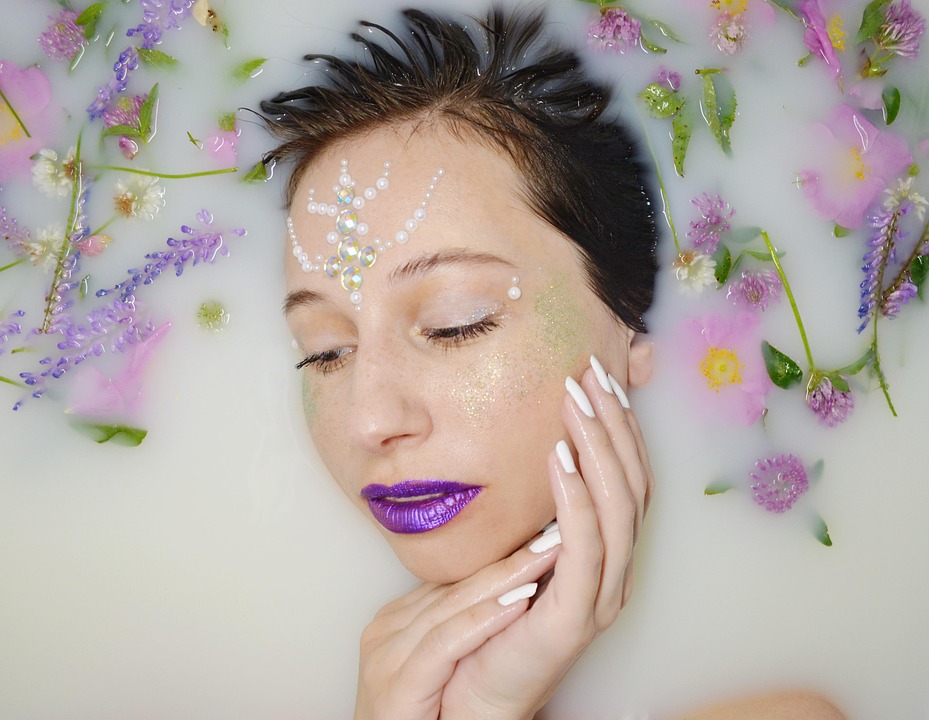

If you’ve ever watched a classic movie featuring a glamorous starlet soaking in a luxurious bath, you might have wondered about the secrets behind that radiant skin. Surprisingly, one of those secrets could be as simple as a milk bath. This ancient practice, once reserved for royalty, has found its way into modern skincare routines, promising to leave your skin glowing and rejuvenated. But what exactly is the science behind it?
Contents
The Historical Allure of Milk Baths
Milk baths have been cherished throughout history, with Cleopatra famously reputed to have bathed in milk to maintain her legendary beauty. While the exact details of her beauty regimen may be shrouded in myth, the use of milk in skincare is well-documented. In ancient cultures, milk was viewed as a symbol of purity and nourishment. It’s rich in lactic acid, vitamins, and minerals, all of which contribute to skin health.
The Science of Milk
Lactic acid, a natural alpha-hydroxy acid (AHA), plays a critical role in exfoliating the skin, promoting cell turnover, and enhancing overall texture. According to a study published in the Journal of Cosmetic Dermatology, topical application of AHAs can improve skin hydration, reduce the appearance of fine lines, and even help with conditions like acne and hyperpigmentation (Koch et al., 2016).
What’s in a Milk Bath?
You might wonder what makes a milk bath so special. Essentially, it’s the combination of milk’s natural components that offers numerous benefits:
1. Lactic Acid
As mentioned earlier, lactic acid helps in exfoliation. By removing dead skin cells, it reveals a smoother, more radiant complexion underneath.
2. Vitamins and Minerals
Milk contains vitamins like A, D, and B12, along with minerals such as calcium and magnesium. These nutrients nourish the skin, promoting healing and hydration.
3. Lipids
The fats in milk, including triglycerides, help to maintain the skin barrier, preventing moisture loss and keeping your skin soft and supple.
Real-Life Examples: The Milk Bath Renaissance
Many modern beauty enthusiasts have rediscovered the power of milk baths. For instance, skincare influencer Sarah Lee, who boasts a following of over 200,000 on social media, frequently shares her experience with milk baths. She incorporates whole milk and essential oils for a fragrant, soothing experience. “I noticed a significant difference in my skin’s texture after just a few baths,” she claims.
Cultural Perspectives
In various cultures, milk baths have been celebrated not just for their beauty benefits but also for their therapeutic properties. In Ayurvedic traditions, for example, milk is often combined with herbs and used in rituals to promote overall well-being.
How to Create Your Own Milk Bath
Creating a milk bath at home is surprisingly simple and can be tailored to your preferences. Here’s a practical step-by-step guide:
Ingredients
- 2-4 cups of milk (whole or powdered)
- Optional: Essential oils (like lavender or chamomile)
- Optional: Honey or oatmeal for added benefits
Steps
-
Choose Your Milk: Whole milk is rich and creamy, while powdered milk is a convenient alternative. If you have sensitive skin, consider using goat’s milk, which is known for its gentleness.
-
Prepare Your Bath: Fill your bathtub with warm water. The temperature should be comfortable enough for you to relax but not too hot to irritate your skin.
-
Add the Milk: Pour in the milk slowly, allowing it to mix with the water. If you’re using powdered milk, dissolve it in a small bowl of warm water first before adding it to the bath.
-
Enhance the Experience: Add a few drops of essential oils for fragrance and relaxation. Lavender is particularly soothing, while eucalyptus can invigorate.
-
Optional Ingredients: For added hydration, mix in a tablespoon of honey or a cup of colloidal oatmeal. Honey is a natural humectant, while oatmeal can soothe irritation.
-
Soak and Relax: Immerse yourself in the milk bath for 20-30 minutes. Use this time to unwind—light candles, play soft music, or meditate.
-
Post-Bath Care: After your bath, rinse off with lukewarm water to remove any residue. Pat your skin dry gently with a towel and apply your favorite moisturizer.
Potential Pitfalls and Considerations
While milk baths offer a plethora of benefits, they are not for everyone. Here are a few considerations:
Sensitivity Issues
Some individuals may have lactose intolerance or milk allergies, which could lead to irritation or adverse reactions. If you’re unsure, conduct a patch test on a small area of skin before soaking in a full bath.
Overdoing It
As with any skincare treatment, moderation is key. Over-exfoliating the skin can lead to dryness or irritation. It’s best to limit milk baths to once a week or as needed.
Personal Reflections on Milk Baths
Having tried milk baths myself, I can attest to their calming effects. The first time I soaked in a milk bath, I added a few drops of vanilla essential oil. The aroma was enchanting, and I felt as if I had stepped into a luxurious spa. My skin felt soft and hydrated afterward, but I learned quickly that using too much milk could leave a residue that required additional rinsing.
Frequently Asked Questions
1. Can I use any type of milk for a milk bath?
Yes, you can use whole milk, goat’s milk, or even powdered milk. Each type has its unique benefits, so you can choose based on your skin type and preferences.
2. How often should I take a milk bath?
Once a week is generally recommended. This frequency allows your skin to reap the benefits without over-exfoliating.
3. Can I add other ingredients to my milk bath?
Absolutely! Honey, oatmeal, and essential oils can enhance your milk bath. Just be mindful of any allergies or sensitivities.
4. Is it safe for sensitive skin?
Many people with sensitive skin find milk baths soothing due to the gentle nature of milk. However, always do a patch test first.
5. What if I don’t have a bathtub?
If you don’t have a bathtub, consider using a large basin or even a foot soak with milk and warm water. You can still enjoy the benefits on a smaller scale.
Conclusion: Embracing the Tradition
The allure of a milk bath is not just about achieving glowing skin; it’s about embracing a tradition that has stood the test of time. Whether you’re seeking relaxation, hydration, or a touch of luxury in your skincare routine, a milk bath can provide all that and more.
As I reflect on my own experiences, I’m reminded of the importance of nurturing both body and mind. In a world that often feels rushed, taking the time to indulge in a simple pleasure like a milk bath is a beautiful way to reconnect with oneself.
Medical Disclaimer
This article is for educational purposes only and does not replace professional medical guidance. Always speak with a qualified healthcare provider before making changes to your health routine.
References
- Koch, P., et al. (2016). “The Effect of Lactic Acid on Skin Health: A Review.” Journal of Cosmetic Dermatology. Link
- Mayo Clinic. “Skin care: 10 tips for healthy skin.” Link
- Cleveland Clinic. “Skin Care: 10 Tips for Healthy Skin.” Link
With these insights and practical tips, consider giving a milk bath a try. Who knows? You might just uncover the secret to radiant skin that has enchanted generations.
Get Your FREE Natural Health Guide!
Subscribe now and receive our exclusive ebook packed with natural health tips, practical wellness advice, and easy lifestyle changes, delivered straight to your inbox.