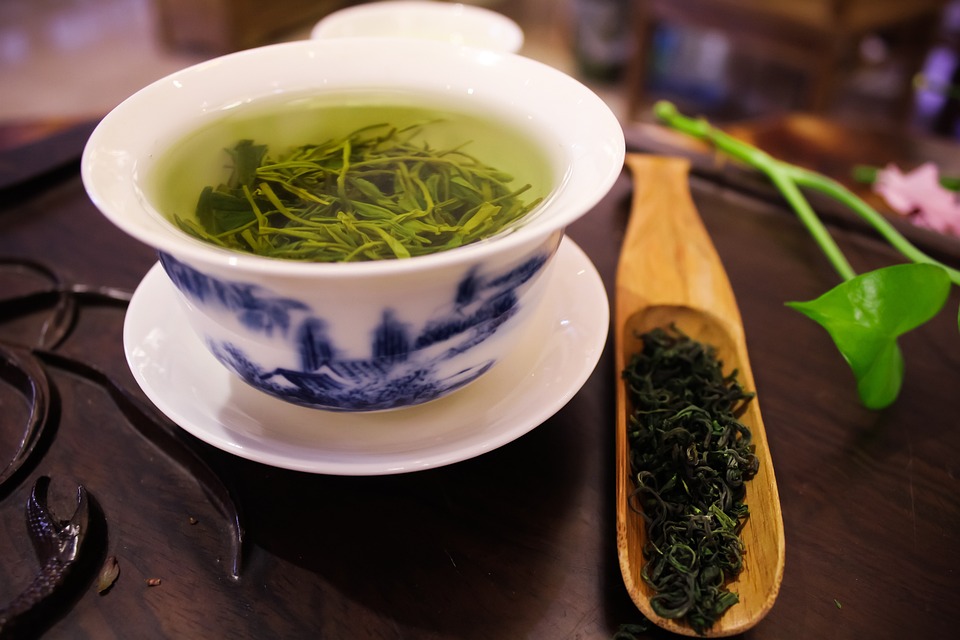
Imagine waking up feeling refreshed, ready to tackle the day ahead, and knowing that a simple cup of green tea could help you maintain that energy throughout your busy schedule. As someone who has spent years researching natural health remedies, I’ve often turned to green tea for a pick-me-up. But what is it about this ancient beverage that makes it a go-to for energy?

Contents
- The Allure of Green Tea
- Practical Applications: How to Incorporate Green Tea into Your Routine
- Common Mistakes to Avoid
- Cultural Insights: The Global Love for Green Tea
- Real-Life Case Study: A Personal Experience
- Counterpoints: The Other Side of Green Tea
- FAQs About Green Tea and Energy
- Reflective Conclusion
The Allure of Green Tea
Green tea, originating from China, has a rich history that dates back thousands of years. Used for medicinal purposes, it has been praised for its potential health benefits, including weight loss and improved brain function. But its role as an energy booster is particularly fascinating. Unlike coffee, which can lead to a jittery spike in energy followed by a crash, green tea provides a more balanced energy lift, thanks to its unique combination of caffeine and L-theanine.
The Science Behind Green Tea
Research supports the idea that green tea can enhance energy levels. A study published in the American Journal of Clinical Nutrition found that the caffeine in green tea can improve exercise performance and increase fat oxidation. The L-theanine, an amino acid found in green tea, works synergistically with caffeine to enhance attention and focus without the jitters.
In another study from the Journal of Nutritional Biochemistry, participants who consumed green tea extract showed improved physical performance compared to a placebo group. This suggests that not only does green tea provide an energy boost, but it may also enhance your stamina during physical activities.
Practical Applications: How to Incorporate Green Tea into Your Routine
You might be wondering how to make green tea a part of your daily life. Here are some practical ways to do just that:
Morning Ritual
Starting your day with a cup of green tea can set a positive tone. Instead of reaching for that first cup of coffee, consider brewing a pot of green tea. Not only will you enjoy a gentle caffeine lift, but the antioxidants in green tea can also help reduce inflammation and improve overall health.
Pre-Workout Boost
I’ve noticed that sipping green tea about 30 minutes before a workout enhances my performance. The caffeine kick helps me push through those last few reps, while the L-theanine keeps my mind focused and relaxed.
Midday Pick-Me-Up
When that afternoon slump hits, a cup of green tea can be a great alternative to sugary snacks or energy drinks. Not only does it provide a boost, but it also keeps you hydrated. I often enjoy a cup while working at my desk, finding that it helps me concentrate better on my tasks.
Culinary Uses
Green tea isn’t just for drinking. Incorporating it into your meals can also be a delightful way to reap its benefits. Consider adding matcha (a concentrated form of green tea) to smoothies, oatmeal, or even baked goods. It adds a unique flavor and a healthy dose of energy.
Common Mistakes to Avoid
While green tea is generally safe for most people, there are a few pitfalls to watch out for:
Overconsumption
Too much caffeine can lead to insomnia or anxiety. It’s essential to find the right balance. I’ve found that 2-3 cups a day is ideal for maintaining energy without feeling jittery.
Adding Sugar
Many people enjoy sweetening their tea, but adding too much sugar can negate the health benefits. Instead, try a splash of honey or lemon for flavor without the guilt.
Ignoring Quality
Not all green teas are created equal. Some brands have lower quality leaves, which can affect both taste and health benefits. I recommend looking for high-quality, organic options to maximize your experience.
Cultural Insights: The Global Love for Green Tea
Green tea is more than just a beverage; it’s a cultural staple in many countries. In Japan, the tea ceremony is a revered tradition that emphasizes mindfulness and appreciation for the moment. In China, green tea has been used for centuries for its medicinal properties. This cultural context adds depth to our understanding of green tea’s role in daily life and wellness.
The Japanese Tea Ceremony
The Japanese tea ceremony, or “chanoyu,” is a beautiful example of how green tea is intertwined with culture. The ritual emphasizes harmony, respect, purity, and tranquility. Participants engage in a mindful process of preparing and consuming matcha, reflecting the meditative qualities of the beverage itself. This ceremony not only highlights the social aspects of tea drinking but also the personal connection to the drink that many people cherish.
Traditional Chinese Medicine
In Traditional Chinese Medicine (TCM), green tea is often used to balance the body’s energies. It’s considered cooling and is thought to help clear heat and detoxify the body. This perspective provides a holistic view of green tea, emphasizing its role in maintaining health and energy.
Real-Life Case Study: A Personal Experience
Let me share a personal experience. A few years ago, I decided to cut back on coffee due to its negative effects on my sleep. I replaced it with green tea and noticed an immediate change in my energy levels. Instead of the usual afternoon crash, I found myself more alert and focused throughout the day. I even started to enjoy the ritual of brewing my tea, which became a calming moment in my busy schedule.
Counterpoints: The Other Side of Green Tea
While green tea has many benefits, it’s essential to consider some counterpoints. For instance, some individuals may be sensitive to caffeine and experience side effects like heart palpitations or anxiety. Additionally, there’s a misconception that drinking green tea alone can lead to weight loss. While it may support metabolism and fat oxidation, it’s not a magic solution.
Individual Sensitivities
Everyone reacts differently to caffeine. Some people may find that even small amounts can disrupt their sleep or cause jitters. If you’re sensitive to caffeine, it’s worth experimenting with decaffeinated green tea or herbal alternatives to find what works best for you.
Weight Loss Myths
While studies suggest that green tea can boost metabolism, it’s essential to remember that it’s not a substitute for a balanced diet and exercise. Many people think drinking green tea alone will lead to significant weight loss, which is misleading. It should be part of a broader lifestyle approach that includes healthy eating and regular physical activity.
FAQs About Green Tea and Energy
1. How much green tea should I drink for an energy boost?
Most studies suggest that 2-3 cups a day is optimal for experiencing the benefits without excessive caffeine intake.
2. Can I drink green tea at night?
While green tea contains less caffeine than coffee, it may still affect your sleep. If you’re sensitive to caffeine, consider drinking decaffeinated green tea in the evening.
3. Does green tea have any side effects?
Some people may experience side effects such as insomnia or stomach upset, especially if consumed in large quantities. It’s best to start with moderate amounts.
4. Can I use green tea for weight loss?
While green tea may support metabolism, it’s not a standalone solution for weight loss. Combine it with a healthy diet and exercise for best results.
5. How does green tea compare to coffee?
Green tea provides a gentler energy boost without the jitters associated with coffee, thanks to its unique combination of caffeine and L-theanine.
Reflective Conclusion
Green tea is more than just a beverage; it’s a cultural phenomenon with a wealth of benefits that can enhance your energy levels and overall well-being. Its unique properties make it an excellent alternative to coffee, offering a balanced energy boost without the crash. However, it’s essential to listen to your body and find what works best for you.
As I continue to explore the world of natural health, I remain curious about the potential of green tea and other herbal remedies. The journey of discovery is ongoing, and there’s always more to learn about how these ancient practices can fit into our modern lives.
Disclaimer: This article is for educational purposes only and does not replace professional medical guidance. Always speak with a qualified healthcare provider before making changes to your health routine.
References
- American Journal of Clinical Nutrition. (2009). “Green tea extract and exercise performance.”
- Journal of Nutritional Biochemistry. (2010). “Effects of green tea extract on physical performance.”
- National Institutes of Health. (n.d.). “Green Tea.” NIH
- Harvard Health Publishing. (n.d.). “The Health Benefits of Green Tea.” Harvard
Get Your FREE Natural Health Guide!
Subscribe now and receive our exclusive ebook packed with natural health tips, practical wellness advice, and easy lifestyle changes — delivered straight to your inbox.