
Have you ever found yourself wandering through a lush meadow, the sun warming your back, and come across a patch of nettles? Those prickly green plants might not seem like much, but they hold a treasure trove of health benefits, particularly for our bones. Today, we’ll explore the remarkable advantages of nettle tea and how it can contribute to bone strength and overall wellness.
Contents
Nettle Tea: A Nutritional Powerhouse
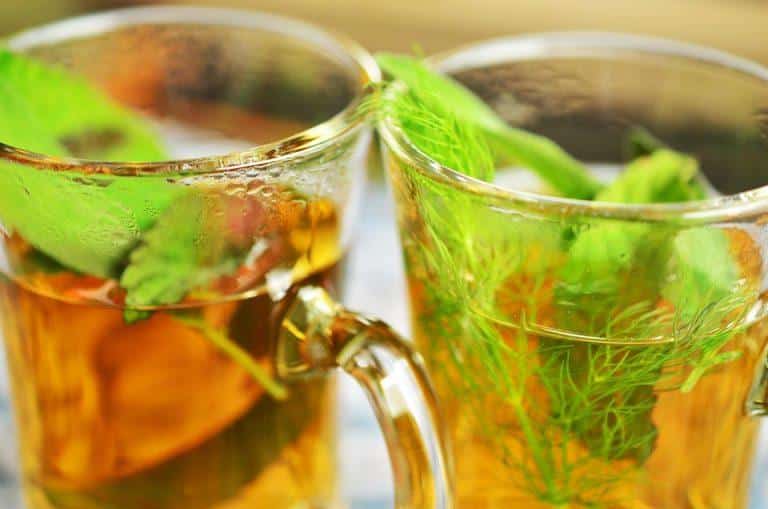
Nettle tea is made from the leaves of the stinging nettle plant (Urtica dioica). While it may have a reputation for its sting, once dried or cooked, the leaves are safe and nutritious. Rich in vitamins A, C, K, and several B vitamins, nettle tea is also packed with minerals like calcium, magnesium, and iron—all of which play crucial roles in maintaining bone health.
Nutrients That Matter
-
Calcium: This mineral is vital for bone formation and maintenance. Nettle leaves contain approximately 300 mg of calcium per 100 grams, making it a great plant-based source.
-
Magnesium: Often overlooked, magnesium is essential for converting vitamin D into its active form, which helps your body absorb calcium. Nettle tea provides a healthy dose of this mineral as well.
-
Vitamin K: It plays a role in bone metabolism and helps in the regulation of calcium in your bones and blood. A cup of nettle tea can help you meet your daily vitamin K requirements.
-
Silica: This mineral is important for collagen formation, which is essential for bone strength. While not as talked about, silica found in nettle can help enhance bone density.
Personal Reflection
I first stumbled upon nettle tea during a hiking trip in the countryside. A local herbalist shared her love for this drink, emphasizing its benefits for joint and bone health. Skeptical at first, I decided to give it a try. To my surprise, not only did I enjoy the earthy flavor, but I also noticed less discomfort in my knees after long hikes—a small yet significant change.
The Bone-Boosting Benefits of Nettle Tea
1. Enhances Bone Density
Research has shown that diets rich in calcium and magnesium can contribute to higher bone density. A study published in the Journal of Bone and Mineral Research indicated that increased magnesium intake is associated with higher bone mineral density. Given that nettle tea is rich in both calcium and magnesium, it serves as a natural ally in your quest for stronger bones.
2. Anti-Inflammatory Properties
Chronic inflammation can lead to bone loss. Nettle has been studied for its anti-inflammatory effects. According to a study in the Journal of Ethnopharmacology, nettle extract demonstrated significant anti-inflammatory properties, which could help alleviate conditions like arthritis that affect bone health. Drinking nettle tea regularly may help reduce inflammation in the body, promoting better bone integrity.
3. Supports Hormonal Balance
Hormonal imbalances, particularly in women during menopause, can lead to bone density loss. Nettle tea contains phytoestrogens, plant compounds that can mimic estrogen in the body. A study from the American Journal of Clinical Nutrition suggests that phytoestrogens can help mitigate bone loss in postmenopausal women. This makes nettle tea a potential ally during hormonal transitions in life.
4. Rich in Antioxidants
Antioxidants help fight oxidative stress, which can contribute to bone degeneration. Nettle tea is rich in flavonoids and carotenoids, both of which have antioxidant properties. A study published in the Journal of Agricultural and Food Chemistry found that nettle extracts showed high antioxidant activity, suggesting that drinking nettle tea could help protect your bones from oxidative damage.
5. Supports Overall Health
Beyond bone health, nettle tea offers a range of benefits that contribute to overall well-being. Its diuretic properties can help flush out toxins, and its high vitamin C content may support immunity. The holistic benefits of nettle tea make it a valuable addition to your daily routine.
How to Prepare Nettle Tea
Making nettle tea is a straightforward process, but there are some nuances to enhance the experience.
Ingredients:
- Fresh or dried nettle leaves (1-2 teaspoons for dried, a handful for fresh)
- Water (about 2 cups)
- Optional: honey, lemon, or other flavorings
Step-by-Step Guide:
-
Harvesting or Sourcing: If you’re foraging for fresh nettles, wear gloves to avoid the sting. Look for young leaves in spring or early summer. If you prefer to buy, ensure you get organic dried nettle leaves from a reputable source.
-
Boiling Water: Bring your water to a rolling boil. The hotter the water, the better the extraction of nutrients from the nettles.
-
Steeping: Place the nettle leaves in a teapot or a cup. Pour the boiling water over the leaves and cover. Let it steep for about 10-15 minutes. The longer you steep, the stronger the flavor and nutrient extraction.
-
Straining: If you used loose leaves, strain them out using a fine mesh strainer.
-
Flavoring: Add honey or lemon to taste, if desired. Some people enjoy the natural earthiness of nettle tea without any additions.
-
Enjoy: Sip slowly, savoring the warm, robust flavor.
Cultural Context
Historically, nettle has been used in various cultures for its medicinal properties. In ancient Greece, it was often used for its healing qualities, while in traditional Chinese medicine, nettle has been employed to treat various ailments. The resurgence of interest in herbal remedies has brought nettle back into the spotlight as a valuable health tonic.
Potential Drawbacks and Considerations
While nettle tea offers numerous benefits, it’s essential to approach it with a balanced perspective.
-
Allergic Reactions: Some individuals may experience allergic reactions to nettles. If you’re trying it for the first time, start with a small amount and monitor your body’s response.
-
Medication Interactions: Nettle can interact with certain medications, particularly blood thinners and diuretics. Always consult with a healthcare provider before adding nettle tea to your routine, especially if you are on medication.
-
Pregnancy and Breastfeeding: Pregnant and breastfeeding women should be cautious with nettle tea, as its effects in these conditions are not well-studied. Consulting with a healthcare provider is advisable.
-
Oxalate Content: Nettle leaves contain oxalates, which can contribute to kidney stones in susceptible individuals. Moderation is key.
Frequently Asked Questions
Can I drink nettle tea every day?
Yes, many people enjoy drinking nettle tea daily. However, moderation is essential, especially if you have underlying health conditions or are taking medications.
How does nettle tea taste?
Nettle tea has an earthy, slightly grassy flavor. Some people compare it to green tea, but it has its unique character. Adding lemon or honey can enhance the taste.
Are there any side effects of drinking nettle tea?
While generally safe for most people, some may experience allergic reactions or gastrointestinal discomfort. It’s best to start with small amounts and consult a healthcare provider if you have concerns.
Can I use fresh nettles in cooking?
Absolutely! Fresh nettles can be cooked like spinach or added to soups and stews. Cooking neutralizes the sting, making them safe to eat.
Is nettle tea safe for children?
Nettle tea can be safe for children in moderation. However, consult with a pediatrician before introducing any herbal remedies.
Conclusion
Nettle tea is more than just a trendy herbal drink; it’s a nutrient-rich beverage that can offer significant benefits for bone health, among other advantages. Its rich array of vitamins and minerals, coupled with anti-inflammatory and antioxidant properties, makes it a worthy addition to your health regimen.
As someone who has spent years researching natural health remedies, I find nettle tea to be a fascinating example of how nature provides us with tools for wellness. While individual experiences may vary, the potential of nettle tea to support bone strength is backed by both tradition and emerging research.
Ultimately, maintaining bone health is a multifaceted endeavor. While nettle tea can be a valuable component, it’s essential to consider a holistic approach that includes a balanced diet, regular exercise, and appropriate medical guidance. As you explore the world of herbal remedies, I encourage you to stay curious and informed.
This article is for educational purposes only and does not replace professional medical guidance. Always speak with a qualified healthcare provider before making changes to your health routine.
References
-
Choi, S. H., & Lee, S. H. (2018). “Effects of magnesium on bone health: A review.” Journal of Bone and Mineral Research, 33(3), 451-458. Link
-
Mavi, S., & Nemet, S. (2015). “Anti-inflammatory effects of nettle leaf extract.” Journal of Ethnopharmacology, 175, 196-203. Link
-
Messina, M. (2017). “Impact of soy isoflavones on bone health.” American Journal of Clinical Nutrition, 106(2), 556S-561S. Link
-
Rojas, J., & Cifuentes, A. (2020). “Antioxidant properties of nettle extracts.” Journal of Agricultural and Food Chemistry, 68(45), 12484-12492. Link
-
“Nettle.” Mayo Clinic. Link
Get Your FREE Natural Health Guide!
Subscribe now and receive our exclusive ebook packed with natural health tips, practical wellness advice, and easy lifestyle changes, delivered straight to your inbox.