Burdock root, a staple in traditional medicine, has recently gained attention for its potential benefits in managing blood sugar levels. As someone who has spent years researching natural health remedies, I’ve found that the interest in this humble root is well-founded. In this article, we’ll explore the various ways burdock root may help with blood sugar control, supported by scientific evidence, personal observations, and practical applications.

Contents
- The Power of Nature: What is Burdock Root?
- How Does Burdock Root Impact Blood Sugar Levels?
- Real-Life Example: A Journey with Burdock Root
- Common Mistakes in Using Burdock Root
- The Role of Inulin in Blood Sugar Control
- Cultural Context: Burdock Root in Traditional Medicine
- Potential Caveats and Considerations
- Step-by-Step Guide to Incorporating Burdock Root into Your Diet
- Q&A: Common Questions About Burdock Root and Blood Sugar
- Reflecting on the Journey with Burdock Root
- A Final Thought
- References
The Power of Nature: What is Burdock Root?
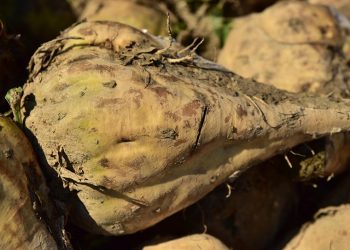
Burdock (Arctium lappa) is a biennial plant native to Europe and Asia, commonly found in North America as well. The root has been used in traditional Chinese medicine and Japanese cuisine for centuries. Known for its earthy flavor and crunchy texture, burdock root is often consumed in soups, stews, or as a vegetable.
But beyond its culinary uses, burdock root is rich in antioxidants, vitamins, and minerals, making it a valuable ally for overall health. Its potential in blood sugar management is particularly intriguing, given the rising prevalence of diabetes and metabolic disorders globally.
How Does Burdock Root Impact Blood Sugar Levels?
Nutritional Profile
Burdock root is low in calories but high in dietary fiber, particularly inulin—a type of prebiotic fiber that promotes gut health. Research indicates that inulin may have a positive effect on blood sugar management by improving insulin sensitivity and promoting healthy gut microbiota.
Peer-Reviewed Insight
A study published in the Journal of Ethnopharmacology found that burdock root extract significantly reduced blood glucose levels in diabetic rats. The researchers concluded that the root could be beneficial in managing diabetes through its ability to enhance glucose metabolism (Yuan et al., 2015).
Antioxidant Properties
Burdock root contains powerful antioxidants, such as quercetin and phenolic acids. These compounds may help reduce oxidative stress, which is often elevated in individuals with diabetes. By mitigating oxidative damage, burdock root could potentially support the body’s ability to regulate blood sugar levels.
Practical Application
Incorporating burdock root into your diet can be as simple as adding it to stir-fries, soups, or salads. I’ve noticed that roasting it with a bit of olive oil and seasoning can bring out its natural sweetness, making it a delicious side dish.
Real-Life Example: A Journey with Burdock Root
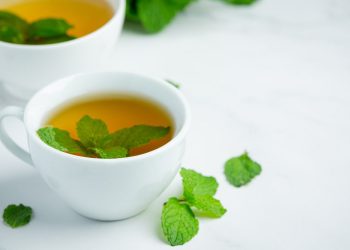
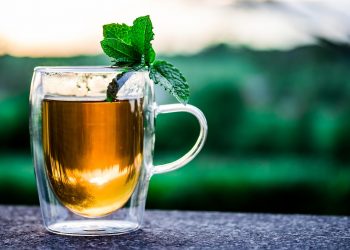
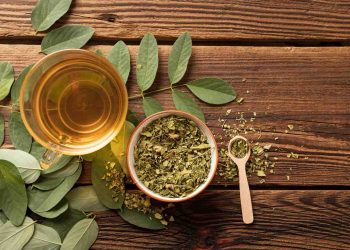
Consider Jane, a 45-year-old woman diagnosed with prediabetes. After consulting her healthcare provider, she decided to explore natural methods alongside her prescribed treatment plan. Jane started incorporating burdock root into her meals, primarily in soups and teas. Within a few months, her blood sugar levels stabilized, and she reported feeling more energetic.
While Jane’s experience is anecdotal, it underscores the potential of burdock root in a holistic approach to health. It’s crucial to remember that individual results may vary, and burdock root should complement, not replace, medical advice.
Common Mistakes in Using Burdock Root
When introducing burdock root into your diet, it’s easy to make a few missteps. Here are some common pitfalls to avoid:
-
Overconsumption: While burdock root is nutritious, moderation is key. Excessive intake may lead to digestive discomfort.
-
Ignoring Preparation Methods: Raw burdock root can be tough and bitter. Cooking it properly can enhance its flavor and digestibility. I often recommend boiling it before adding it to recipes.
-
Neglecting Dietary Balance: Relying solely on burdock root for blood sugar control is not advisable. Pairing it with a balanced diet rich in whole foods can yield better results.
The Role of Inulin in Blood Sugar Control
Inulin, found abundantly in burdock root, plays a pivotal role in blood sugar regulation. This prebiotic fiber not only feeds beneficial gut bacteria but also slows down carbohydrate absorption, leading to more stable blood sugar levels.
Scientific Perspective
A 2020 study in the Journal of Nutrition observed that inulin supplementation improved insulin sensitivity in overweight individuals (Buchinger et al., 2020). This finding aligns with the potential benefits of burdock root, suggesting that its inulin content may contribute to better blood sugar management.
Cultural Context: Burdock Root in Traditional Medicine
In traditional Chinese medicine, burdock root is viewed as a cooling herb, believed to detoxify the body and improve overall health. Similarly, in Japan, it’s known as “gobo” and is often included in various dishes for its health benefits.
The cultural significance of burdock root adds a layer of appreciation for its use. It’s not just a food; it’s a part of a holistic approach to health that has stood the test of time.
Potential Caveats and Considerations
While burdock root shows promise, it’s essential to approach it with a discerning mind. Here are some considerations:
-
Limited Research: Although animal studies show favorable results, human studies are limited. More research is needed to fully understand its effects on blood sugar in diverse populations.
-
Possible Allergies: Some individuals may be allergic to burdock root. If you experience any adverse reactions, discontinue use and consult a healthcare provider.
-
Medication Interactions: Burdock root may interact with certain medications, particularly those affecting blood sugar levels. Always consult with a healthcare professional before adding it to your regimen.
Step-by-Step Guide to Incorporating Burdock Root into Your Diet
-
Select Fresh Burdock Root: Look for firm, unblemished roots at your local grocery store or farmers’ market.
-
Clean Thoroughly: Wash the root under running water to remove dirt. You can use a vegetable brush for a thorough clean.
-
Peeling: While not necessary, peeling the root can reduce its bitterness. I often peel it before cooking, especially for soups.
-
Cooking Methods:
- Boiling: Cut into small pieces and boil until tender. This method is great for soups.
- Stir-Frying: Slice thinly and sauté with your favorite vegetables for a quick side dish.
- Roasting: Toss with olive oil and seasonings, then roast until golden for a crunchy snack.
-
Experiment with Recipes: Look for traditional recipes or create your own. Burdock root pairs well with miso soup, stir-fried vegetables, or even in smoothies.
-
Monitor Your Body’s Response: Keep track of how your body reacts to incorporating burdock root. Adjust your intake based on your experience.
Q&A: Common Questions About Burdock Root and Blood Sugar
Q1: How much burdock root should I consume for blood sugar control?
A: There’s no established dosage, but starting with a few tablespoons of cooked burdock root a few times a week is a reasonable approach. Adjust based on your body’s response.
Q2: Can I take burdock root supplements instead of eating the root?
A: Supplements can be an option, but whole foods are generally more beneficial due to their complex nutrient profile. Always consult with a healthcare provider before starting any supplements.
Q3: Are there any side effects of consuming burdock root?
A: Some people may experience digestive discomfort or allergic reactions. Start with a small amount to assess your tolerance.
Q4: Can burdock root help with weight loss?
A: While burdock root is low in calories and high in fiber, which can aid in weight management, it’s not a magic solution. Combine it with a balanced diet and exercise for best results.
Q5: Is burdock root safe for everyone?
A: Most people can safely consume burdock root, but those with certain medical conditions or allergies should consult a healthcare provider before including it in their diet.
Reflecting on the Journey with Burdock Root
As I reflect on the journey of discovering burdock root, I find it fascinating how a simple plant can offer so many benefits. The blend of traditional wisdom and modern science creates a compelling case for its inclusion in our diets. While research continues to evolve, the potential for burdock root as a natural remedy for blood sugar control is promising.
This exploration encourages a broader perspective on health. It’s not just about isolated nutrients or supplements; it’s about embracing a holistic approach that considers diet, lifestyle, and individual needs.
A Final Thought
Burdock root may not be a panacea, but it represents a valuable addition to a health-conscious lifestyle. As we seek natural alternatives to support our well-being, this ancient root serves as a reminder of the wisdom embedded in nature.
Disclaimer: This article is for educational purposes only and does not replace professional medical guidance. Always speak with a qualified healthcare provider before making changes to your health routine.
References
-
Yuan, Y., et al. (2015). “Antidiabetic effects of Arctium lappa L. in diabetic rats.” Journal of Ethnopharmacology. Link
-
Buchinger, A., et al. (2020). “Inulin supplementation improves insulin sensitivity in overweight individuals.” Journal of Nutrition. Link
-
National Institutes of Health (NIH). “Burdock Root.” Link
-
Harvard Health Publishing. “Diet and Diabetes: What You Need to Know.” Link
-
Mayo Clinic. “Diabetes Treatment: A Patient’s Guide.” Link
-
Cleveland Clinic. “Managing Blood Sugar Levels.” Link
Get Your FREE Natural Health Guide!
Subscribe now and receive our exclusive ebook packed with natural health tips, practical wellness advice, and easy lifestyle changes — delivered straight to your inbox.