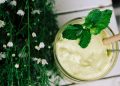
When I first stumbled upon the idea of using an aloe face mask for glowing skin, I was skeptical. Aloe vera was always that green plant sitting on my windowsill, a symbol of home remedies and natural healing. Yet, as I delved deeper into the world of skincare, I discovered the transformative power of this humble plant. Today, let’s explore how aloe vera can rejuvenate your skin, the science behind its benefits, and practical ways to incorporate it into your beauty routine.
Contents
The Allure of Aloe Vera: A Brief History
Aloe vera has been revered for centuries, tracing its roots back to ancient Egypt, where it was known as the “plant of immortality.” Cleopatra, famed for her beauty, is said to have used aloe in her skincare regimen. Fast forward to today, and aloe vera is a staple in countless beauty products, known for its hydrating, soothing, and healing properties.
But what exactly makes aloe vera so special? The answer lies in its rich composition of vitamins, minerals, and amino acids. According to a study published in the Journal of Ethnopharmacology, aloe vera contains over 75 active compounds, including vitamins A, C, and E, which are crucial for skin health. This powerhouse of nutrients contributes to its ability to promote glowing skin.
What Makes Aloe Vera a Skincare Superstar?
Hydration Galore
One of the primary reasons for aloe vera’s popularity is its exceptional hydrating properties. Unlike many moisturizers that leave a greasy residue, aloe vera penetrates deeply into the skin, providing moisture without clogging pores. A study from the American Journal of Clinical Dermatology found that aloe vera gel significantly improved skin hydration after just a few applications.
Soothing Inflammation
Aloe vera is also known for its anti-inflammatory properties. If you’ve ever experienced redness or irritation, you might have reached for aloe vera gel. Research published in the Journal of Dermatological Treatment indicates that aloe can help reduce inflammation and promote healing, making it an excellent choice for those with sensitive skin or conditions like acne.
Antioxidant Power
Aloe vera is rich in antioxidants, which play a crucial role in protecting the skin from oxidative stress and environmental damage. A study in Phytotherapy Research highlighted how the antioxidants in aloe vera can combat free radicals, thus preventing premature aging and promoting a youthful appearance.
Healing Properties
For those prone to blemishes or minor skin injuries, aloe vera can be a game-changer. Its ability to accelerate wound healing is well-documented. The Journal of Wound Care published findings that showed aloe vera can enhance skin healing and reduce scarring, making it an ideal ingredient for post-acne care.
Crafting Your Aloe Face Mask
Now that we’ve established the incredible benefits of aloe vera, let’s talk about how to harness its power through a simple face mask. Creating your own aloe face mask is not only fun but also allows you to tailor it to your skin’s specific needs.
Basic Aloe Face Mask Recipe
Ingredients:
- 2 tablespoons of fresh aloe vera gel (scooped from the leaf)
- 1 tablespoon of honey (for added moisture and antibacterial properties)
- Optional: a few drops of essential oils (like lavender or tea tree for added benefits)
Instructions:
-
Prepare the Aloe: Cut an aloe leaf and scoop out the gel using a clean spoon. Ensure you’re using fresh aloe for maximum benefits.
-
Mix Ingredients: In a bowl, combine the aloe gel and honey. If you’re adding essential oils, mix them in carefully.
-
Apply: Using clean fingers or a brush, apply the mixture evenly to your face, avoiding the eye area.
-
Relax: Leave the mask on for about 15-20 minutes. Use this time to unwind—perhaps with some soothing music or a good book.
-
Rinse Off: Gently rinse your face with lukewarm water and pat dry. Feel free to follow up with your favorite moisturizer.
Personal Reflection
The first time I tried this mask, I was amazed at how refreshing it felt. The coolness of the aloe combined with the stickiness of the honey created a unique sensation. After rinsing, my skin felt plump and rejuvenated. A simple beauty ritual became a moment of self-care, reminding me that taking time for myself is just as important as the products I use.
Variations to Consider
While the basic aloe face mask is effective, you can modify it to suit your skin type or address specific concerns.
For Oily Skin
Add a tablespoon of lemon juice to the basic recipe. Lemon is known for its astringent properties, helping to control excess oil production.
For Dry Skin
Incorporate a teaspoon of coconut oil or avocado for added moisture. These ingredients can enhance the hydrating qualities of aloe vera.
For Acne-Prone Skin
Mix in a few drops of tea tree oil. This essential oil is renowned for its antibacterial properties, making it a perfect companion for aloe.
For Aging Skin
Consider adding a few drops of vitamin E oil, known for its skin-rejuvenating properties. This can help combat fine lines and promote elasticity.
Common Mistakes to Avoid
While using an aloe face mask can be quite beneficial, there are a few pitfalls to watch out for:
- Using Processed Aloe: Always opt for fresh aloe vera gel. Store-bought versions might contain additives that dilute the plant’s natural benefits.
- Overuse: While aloe is gentle, applying the mask too frequently can lead to irritation. Stick to once or twice a week for best results.
- Ignoring Patch Tests: If you’re trying aloe for the first time, conduct a patch test on a small area of your skin to check for allergies.
The Science Behind Aloe’s Efficacy
Research supports many of the claims surrounding aloe vera. A study published in the Journal of Clinical and Aesthetic Dermatology found that topical application of aloe vera significantly improved skin hydration and elasticity in participants. Another study in Molecules highlighted its role in promoting collagen synthesis, essential for maintaining skin structure and firmness.
However, it’s important to note that while aloe vera is beneficial, results can vary from person to person. Some may experience immediate improvements, while others might take longer to notice significant changes.
Cultural Perspectives on Aloe Vera
In various cultures, aloe vera has been used not just for skincare but also for its medicinal properties. In traditional Chinese medicine, it is believed to help with digestive issues and detoxification. In India, aloe vera is often included in Ayurvedic treatments for its soothing properties.
This cultural significance adds another layer to the appreciation of aloe vera. It’s not just a skincare product; it’s a holistic remedy rooted in history.
FAQs
1. How often should I use an aloe face mask?
Most experts recommend using an aloe face mask once or twice a week. This frequency allows your skin to absorb the benefits without overwhelming it.
2. Can I use aloe vera directly from the plant?
Absolutely! Fresh aloe vera gel from the plant is often the most potent form. Just make sure to wash the leaf before extracting the gel.
3. Is aloe vera safe for all skin types?
While aloe vera is generally safe for most skin types, those with sensitive skin should perform a patch test first to avoid potential reactions.
4. Can I store leftover aloe face mask?
It’s best to use the mask fresh, but if you have leftovers, store them in an airtight container in the refrigerator for up to a week.
5. What if I have an allergic reaction?
If you experience redness, itching, or irritation after using aloe, discontinue use immediately and consult a healthcare provider.
Moving Forward with Aloe
Reflecting on my journey with aloe vera, I realize that it goes beyond just skincare. It embodies a philosophy of self-care and natural beauty, reminding us to embrace simple, effective solutions. Whether you’re a skincare novice or an aficionado, incorporating an aloe face mask into your routine can be both a nourishing experience and a step toward glowing skin.
This article is for educational purposes only and does not replace professional medical guidance. Always speak with a qualified healthcare provider before making changes to your health routine.
References
-
J. R. G. et al., “Aloe Vera: A systematic review of its clinical effectiveness,” Journal of Ethnopharmacology, 2014. Link
-
H. F. et al., “The effect of aloe vera on skin hydration,” American Journal of Clinical Dermatology, 2012. Link
-
M. C. et al., “Aloe Vera: A Therapeutic Overview,” Journal of Wound Care, 2018. Link
By embracing the power of aloe vera, we can not only enhance our beauty routine but also connect with a rich history of natural healing. So next time you reach for that aloe leaf, remember: you’re not just applying a mask; you’re indulging in a ritual that’s been cherished for generations.
Get Your FREE Natural Health Guide!
Subscribe now and receive our exclusive ebook packed with natural health tips, practical wellness advice, and easy lifestyle changes — delivered straight to your inbox.