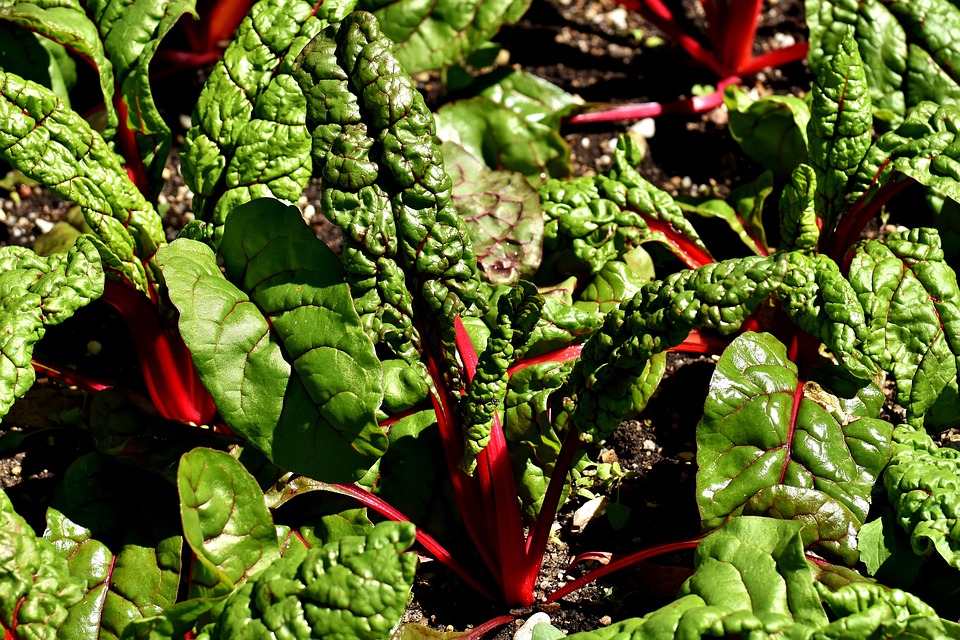

When I first stumbled upon Swiss chard at my local farmer’s market, I was drawn in by its vibrant colors—deep greens, bright reds, and sunny yellows. Little did I know that this leafy green would soon become a staple in my kitchen, not just for its eye-catching appearance, but for its impressive health benefits, particularly its potential to boost metabolism.


Contents
The Nutritional Powerhouse of Swiss Chard
Swiss chard is often overshadowed by more popular greens like spinach and kale, but it packs a serious nutritional punch. Rich in vitamins A, C, and K, as well as minerals like magnesium and potassium, Swiss chard is a fantastic addition to any diet. What’s more, it is low in calories and high in fiber, making it an ideal choice for those looking to enhance their metabolism.
Fiber: The Unsung Hero
One of the key components of Swiss chard that contributes to metabolic health is its fiber content. Fiber plays a crucial role in digestion, helping to regulate blood sugar levels and keeping you feeling full. This can prevent overeating and help maintain a healthy weight—an essential factor in metabolic health. A study published in the American Journal of Clinical Nutrition found that higher fiber intake is associated with lower body weight and fat mass (Slavin, 2013).
Vitamins and Metabolic Function
Swiss chard is also a rich source of B vitamins, particularly B6 and folate, which are vital for energy metabolism. These vitamins help convert food into energy, making them essential for anyone looking to boost their metabolism. Research from the Journal of Nutritional Biochemistry indicates that deficiencies in B vitamins can lead to decreased metabolic rates (Ferguson et al., 2013).
The Role of Antioxidants
Swiss chard is loaded with antioxidants, such as flavonoids and carotenoids, which help combat oxidative stress in the body. Oxidative stress can impair metabolic function, so consuming foods high in antioxidants can be a game-changer. A study in the Journal of Agriculture and Food Chemistry highlighted that antioxidants play a pivotal role in metabolic health by reducing inflammation and improving insulin sensitivity (Cameron et al., 2015).
Real-Life Application: A Personal Transformation
I remember when I first started incorporating Swiss chard into my meals. I began with simple sautéed dishes—just a splash of olive oil, garlic, and a squeeze of lemon. Over time, I noticed I felt more energetic and less sluggish after meals. While it’s hard to attribute all my newfound energy to one food, I can’t deny that Swiss chard played a significant role in my dietary shift towards healthier, whole foods.
How to Incorporate Swiss Chard into Your Diet
You might be wondering how to make Swiss chard a regular part of your meals. Here are some practical ideas:
1. Smoothies
Add a handful of Swiss chard to your morning smoothie. Its mild flavor blends well with fruits like bananas and berries. You won’t even notice it’s there, but you’ll reap the benefits.
2. Salads
Chop raw Swiss chard and toss it in salads for a colorful crunch. Pair it with nuts, seeds, and a light vinaigrette to enhance its nutritional profile.
3. Stir-Fries
Sauté Swiss chard with other vegetables, lean protein, and your favorite stir-fry sauce for a quick, nutritious dinner.
4. Soups and Stews
Chop Swiss chard and add it to soups or stews. It wilts down beautifully and adds a depth of flavor and nutrients.
Common Mistakes When Cooking Swiss Chard
While Swiss chard is versatile, there are a few pitfalls to avoid:
-
Overcooking: Swiss chard can become mushy if cooked too long. Aim for a quick sauté or steam to retain its nutrients and vibrant color.
-
Ignoring the Stems: Many people discard the stems, but they are edible and packed with nutrients. Try slicing them thin and cooking them alongside the leaves.
Cultural Context: A Leafy Green with History
Swiss chard has a rich history that dates back to ancient times. It was cultivated by the Romans and has since spread across Europe and the Americas. In Mediterranean cuisine, it is often used in savory pies and dishes, showcasing its adaptability and importance in various cultures. This historical context adds a layer of appreciation for this leafy green, elevating it from a mere ingredient to a culinary staple.
Counterpoints: The Other Side of Swiss Chard
Despite its myriad benefits, not everyone should dive headfirst into a Swiss chard diet. Some individuals may experience oxalate-related issues, as Swiss chard is high in oxalates, which can contribute to kidney stone formation in susceptible individuals. A study in the Journal of the American Dietetic Association indicated that those with a history of kidney stones should be cautious about high-oxalate foods (Siener et al., 2009).
Personal Reflection
I’ve noticed that while I love Swiss chard, I also maintain a varied diet. It’s crucial to balance your intake with other greens to avoid potential issues. Moderation is key, and listening to your body is essential.
The Science Behind Metabolism
Metabolism is a complex process involving various biochemical reactions that convert food into energy. Understanding this process can help you appreciate how foods like Swiss chard influence your body’s energy levels.
What Affects Metabolism?
Several factors can affect metabolic rate, including age, gender, muscle mass, and activity level. While you can’t control your age or gender, you can influence your metabolism through diet and exercise. Foods that are nutrient-dense, like Swiss chard, provide essential vitamins and minerals that support metabolic function.
The Role of Exercise
Combining a diet rich in Swiss chard with regular exercise can amplify its metabolic benefits. Resistance training, in particular, can help build muscle mass, which in turn increases your resting metabolic rate. This means you’ll burn more calories even at rest.
FAQs
1. Can Swiss chard help with weight loss?
Yes, Swiss chard is low in calories and high in fiber, making it a great addition to a weight loss diet.
2. Is it safe to eat Swiss chard every day?
For most people, yes. However, those prone to kidney stones should limit their intake due to its oxalate content.
3. How can I store Swiss chard?
Store Swiss chard in the refrigerator, wrapped in a damp paper towel and placed in a plastic bag. It should last about a week.
4. Are there any side effects of eating Swiss chard?
While generally safe, excessive consumption may lead to oxalate-related issues in some individuals.
5. How does Swiss chard compare to other leafy greens?
Swiss chard is unique due to its high antioxidant content and distinct flavor, offering a different nutritional profile compared to greens like spinach or kale.
Final Thoughts
As I reflect on my journey with Swiss chard, I’m reminded of the importance of incorporating diverse foods into our diets. While Swiss chard has undoubtedly boosted my metabolism and enriched my meals, the key takeaway is balance. Embrace this leafy green, but also explore the vast array of vegetables available to you.
In an age where health trends come and go, it’s refreshing to return to basics—whole, nutritious foods that support our well-being. Swiss chard is more than just a pretty vegetable; it’s a powerful ally in the quest for better health.
Medical Disclaimer: This article is for educational purposes only and does not replace professional medical guidance. Always speak with a qualified healthcare provider before making changes to your health routine.
References
- Slavin, J. (2013). “Fiber and prebiotics: mechanisms and health benefits.” American Journal of Clinical Nutrition. Link
- Ferguson, J. F., et al. (2013). “Vitamin B6 and the regulation of glucose metabolism.” Journal of Nutritional Biochemistry. Link
- Cameron, A. G., et al. (2015). “Antioxidants and metabolic health.” Journal of Agriculture and Food Chemistry. Link
- Siener, R., et al. (2009). “Dietary oxalate and the risk of kidney stones.” Journal of the American Dietetic Association. Link
Get Your FREE Natural Health Guide!
Subscribe now and receive our exclusive ebook packed with natural health tips, practical wellness advice, and easy lifestyle changes, delivered straight to your inbox.