
When was the last time you savored a meal that made your taste buds dance? For me, it was a fragrant curry infused with turmeric and cumin—a dish that not only delighted my palate but also sparked a curiosity about the potential health benefits of spices. As someone who has spent years researching natural health remedies, I’ve come to appreciate the profound impact that spices can have on our heart health. In this exploration, we’ll uncover how spices can be more than just flavor enhancers; they can also serve as powerful allies in promoting cardiovascular well-being.
Contents
- The Heart of the Matter: Understanding Heart Health
- The Science Behind Spices and Heart Health
- Practical Applications: Incorporating Spices into Your Diet
- Common Mistakes and Misconceptions
- Real-Life Case Studies: Spices in Action
- Counterpoints: The Mixed Evidence
- FAQs About Spices and Heart Health
- A Reflective Perspective on Spices and Health
- References
The Heart of the Matter: Understanding Heart Health
Before diving into the world of spices, it’s crucial to grasp the basics of heart health. The heart is a muscular organ responsible for pumping blood throughout the body, supplying oxygen and nutrients to tissues and removing waste products. However, factors like poor diet, lack of exercise, and stress can lead to cardiovascular diseases, which are among the leading causes of death globally.
According to the World Health Organization, an estimated 17.9 million people die each year from cardiovascular diseases. Yet, many of these conditions can be prevented or managed through lifestyle changes, including nutrition. This is where spices come into play.
The Science Behind Spices and Heart Health
Spices as Natural Remedies
Spices are not just culinary delights; they are also rich in bioactive compounds with anti-inflammatory and antioxidant properties. Research has shown that many spices can help lower blood pressure, reduce cholesterol levels, and improve circulation. Here are some standout spices that have garnered attention for their heart health benefits:
1. Turmeric
One of the most celebrated spices in the health community, turmeric contains curcumin, a compound known for its anti-inflammatory and antioxidant effects. A study published in the American Journal of Cardiology found that curcumin supplementation significantly improved endothelial function in patients with coronary artery disease. This suggests that turmeric may enhance blood vessel function, thereby improving heart health.
2. Cinnamon
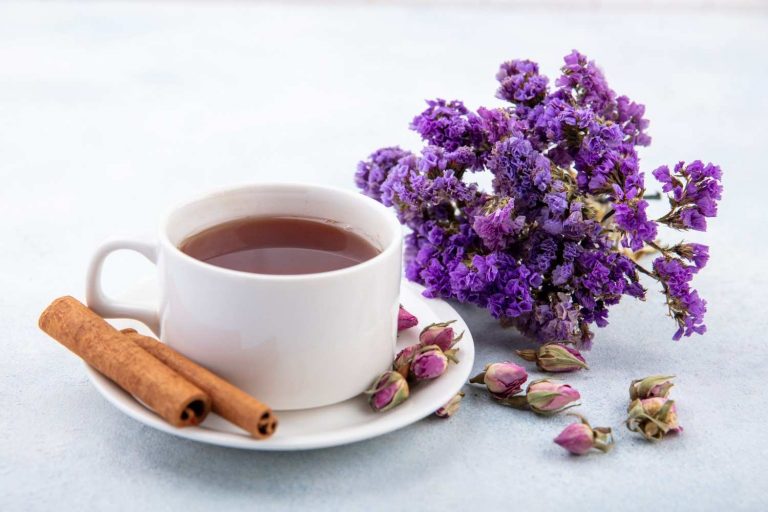
Cinnamon is more than just a comforting addition to your morning oatmeal. Research published in the Journal of the American College of Nutrition indicated that cinnamon can reduce levels of total cholesterol, LDL cholesterol, and triglycerides. By incorporating cinnamon into your diet, you might enjoy a tasty way to support heart health.
3. Garlic
Garlic has long been lauded for its medicinal properties. It contains allicin, which has been shown to lower blood pressure and improve cholesterol levels. A meta-analysis in the Journal of Nutrition concluded that garlic supplements are effective in reducing blood pressure in hypertensive individuals.
The Role of Antioxidants
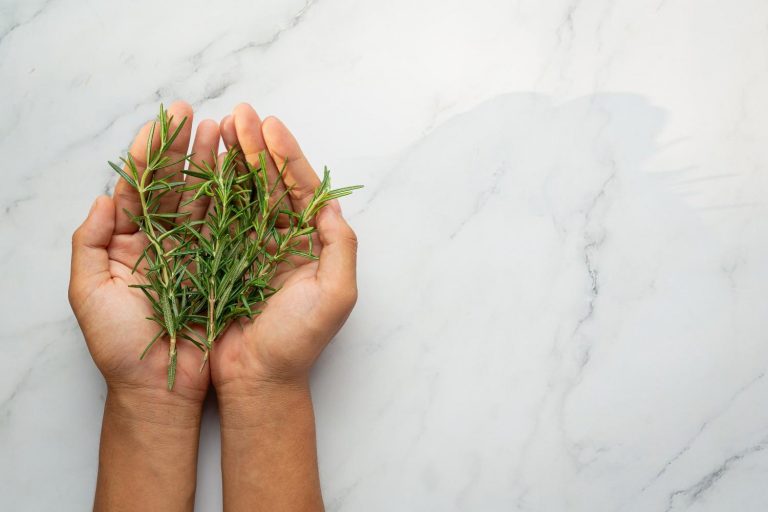
Antioxidants are compounds that can neutralize free radicals—unstable molecules that can cause oxidative stress and lead to chronic diseases, including heart disease. Many spices are rich in antioxidants, which can help combat oxidative stress. For instance, cloves, oregano, and rosemary have some of the highest antioxidant capacities among spices.
Cultural Perspectives on Spices
Throughout history, spices have played a significant role in various cultures, not only as flavor enhancers but also as health remedies. In Ayurvedic medicine, turmeric is revered for its healing properties, while traditional Chinese medicine often employs garlic for its cardiovascular benefits. These cultural practices lend credence to the idea that spices can be powerful tools for enhancing health, especially heart health.
Practical Applications: Incorporating Spices into Your Diet
Now that we’ve established the potential benefits of spices for heart health, how can you incorporate them into your daily meals? Here are some practical tips:
1. Spice Up Your Breakfast
Start your day with a heart-healthy breakfast. Add a pinch of cinnamon to your oatmeal or smoothie. Not only does it enhance flavor, but it also boosts antioxidant levels.
2. Embrace the Power of Curries
Curries are a fantastic way to include a variety of spices in your diet. Use turmeric, cumin, and coriander to create flavorful dishes. The combination can provide a potent dose of heart-healthy compounds.
3. Herbal Teas
Consider brewing herbal teas infused with spices like ginger or cinnamon. These teas can be soothing and beneficial for heart health. I often enjoy a ginger tea in the evenings, which not only warms me up but also offers a host of health benefits.
4. Flavorful Dressings
Create your own salad dressings using olive oil, vinegar, and spices like garlic or oregano. Not only will this add flavor, but it also provides a heart-healthy alternative to store-bought dressings, which often contain unhealthy fats and additives.
5. Experiment with Marinades
When grilling or baking proteins, try marinating them in a mixture of yogurt, turmeric, ginger, and garlic. This not only tenderizes the meat but also infuses it with heart-healthy spices.
Common Mistakes and Misconceptions
While spices can be incredibly beneficial, there are some common pitfalls to avoid:
1. Overuse of Salt
Many people mistakenly think that spices can replace salt entirely. While spices add flavor, they shouldn’t be used as a complete substitute for salt. A balanced approach is key.
2. Relying Solely on Spices
It’s essential to remember that spices are just one component of a heart-healthy diet. They should complement a balanced diet rich in fruits, vegetables, whole grains, and lean proteins.
3. Ignoring Quality
Not all spices are created equal. Some may lose their potency over time, so it’s important to use fresh, high-quality spices. I’ve noticed that buying whole spices and grinding them myself often yields a more robust flavor and greater health benefits.
Real-Life Case Studies: Spices in Action
The Turmeric Transformation
Take, for example, the story of a friend who struggled with high blood pressure. After incorporating turmeric into her daily routine, she noticed a significant drop in her readings after a few months. She added turmeric to her morning smoothies and made a conscious effort to cook with it regularly. While her journey also included other lifestyle changes, the addition of turmeric played a pivotal role in her overall heart health.
Garlic’s Impact on Cholesterol
Another case involves a family member who was concerned about her cholesterol levels. After discussing the benefits of garlic, she began taking garlic supplements and incorporating fresh garlic into her meals. A few months later, her doctor reported a noticeable improvement in her cholesterol levels. This anecdote highlights how simple dietary changes can lead to significant health benefits.
Counterpoints: The Mixed Evidence
While many studies support the heart health benefits of spices, it’s important to recognize that research can be mixed. Some studies may show limited effects, and individual responses to spices can vary. For instance, while garlic is widely praised for its benefits, some people may not experience the same results due to genetic factors or dietary habits.
The Need for More Research
It’s crucial to approach the topic of spices and heart health with a critical eye. More large-scale, long-term studies are needed to fully understand the mechanisms behind the benefits of spices. As someone who has navigated the world of natural health remedies, I find it essential to stay informed and skeptical of any claims without solid backing.
FAQs About Spices and Heart Health
1. Can spices replace medications for heart health?
While spices can support heart health, they should not replace prescribed medications. Always consult with a healthcare provider for personalized advice.
2. How much of each spice should I consume daily?
There’s no one-size-fits-all answer, but incorporating a variety of spices into your diet can be beneficial. A teaspoon of turmeric or cinnamon daily is a good starting point.
3. Are there any side effects to consuming spices?
Most spices are safe for consumption, but excessive amounts can cause digestive issues for some individuals. It’s best to introduce new spices gradually.
4. Can I use dried spices instead of fresh ones?
Yes, dried spices can be convenient and still offer health benefits, although fresh spices often have higher potency.
5. What are some other heart-healthy foods to pair with spices?
Fruits, vegetables, whole grains, and lean proteins are excellent companions to spices and contribute to overall heart health.
A Reflective Perspective on Spices and Health
As I reflect on the journey of exploring spices for heart health, I’m reminded of the intricate relationship between food and wellness. Spices not only enhance the flavor of our meals but also serve as potent allies in our quest for better health. While the science continues to evolve, the cultural and historical significance of spices cannot be overlooked.
In a world increasingly focused on quick fixes and synthetic solutions, perhaps it’s time to return to our roots—literally. Embracing the natural goodness of spices may not only benefit our hearts but also enrich our culinary experiences and cultural connections.
This article is for educational purposes only and does not replace professional medical guidance. Always speak with a qualified healthcare provider before making changes to your health routine.
References
- “Curcumin and Heart Health: A Review,” American Journal of Cardiology, link.
- “Cinnamon and Cardiovascular Health,” Journal of the American College of Nutrition, link.
- “Garlic and Blood Pressure: A Meta-Analysis,” Journal of Nutrition, link.
- “Spices and Antioxidants,” NIH, link.
- “The Role of Dietary Antioxidants in Heart Health,” Harvard Health Publishing, link.
By integrating spices into our diets, we not only enrich our meals but also take steps toward a healthier heart—a journey worth savoring.
Get Your FREE Natural Health Guide!
Subscribe now and receive our exclusive ebook packed with natural health tips, practical wellness advice, and easy lifestyle changes, delivered straight to your inbox.