
When you think of sage, what comes to mind? Perhaps a fragrant herb used in cooking or the wisdom of age-old traditions. But what if I told you that this humble herb, particularly in tea form, might play a role in managing blood sugar levels? As someone who has spent years researching natural health remedies, I’ve found that sage tea is more than just a culinary delight; it’s a potential ally for those looking to maintain healthy blood sugar levels.

Contents
- The Surprising Link Between Sage and Blood Sugar
- Understanding Blood Sugar Levels
- How Sage Tea Works
- Practical Applications of Sage Tea
- Cultural Context: Sage in Traditional Medicine
- Scientific Evidence: What the Research Says
- Caveats and Considerations
- Frequently Asked Questions
- Conclusion: A Flavorful Ally in Blood Sugar Management
- References
The Surprising Link Between Sage and Blood Sugar
Sage, particularly Salvia officinalis, has been used for centuries in various cultures for its medicinal properties. In ancient Greece, it was considered a sacred herb. Today, modern research is unraveling its potential benefits, particularly in relation to blood sugar management. A study published in the Journal of Ethnopharmacology found that sage extracts improved glucose uptake in muscle cells, suggesting that this herb could support healthy blood sugar levels.
But how does this translate into daily life? Let’s explore the mechanisms behind sage tea and its possible benefits.
Understanding Blood Sugar Levels
Before diving deeper, let’s clarify what blood sugar levels are and why they matter. Blood sugar, or glucose, is the main sugar found in your blood and serves as your body’s primary energy source. The regulation of blood sugar levels is critical for overall health. If levels are too high or too low, it can lead to serious health issues, including diabetes.
Most people are familiar with the term “insulin,” the hormone that helps regulate blood sugar. When we consume carbohydrates, our bodies break them down into glucose, which then enters the bloodstream. Insulin allows cells to absorb this glucose for energy or storage. However, insulin resistance, a condition where cells fail to respond to insulin effectively, can lead to elevated blood sugar levels.
How Sage Tea Works
Active Compounds in Sage
Sage tea is rich in antioxidants and anti-inflammatory compounds, particularly rosmarinic acid and flavonoids. These compounds contribute to the herb’s potential ability to enhance insulin sensitivity, making it easier for cells to absorb glucose.
Improving Insulin Sensitivity
Research indicates that sage may improve insulin sensitivity. A study conducted at the University of California found that sage extracts could increase insulin receptor activity, promoting better glucose uptake in cells. This means that not only can sage tea help you manage your blood sugar levels, but it may also aid in preventing insulin resistance.
Real-Life Anecdotes
I remember speaking with a friend who struggled with her blood sugar levels. She began incorporating sage tea into her diet, and within weeks, she noticed a difference. Her energy levels stabilized, and her cravings for sugary snacks diminished. While individual experiences can vary, her story highlights the potential of sage tea as part of a broader strategy for managing blood sugar.
Practical Applications of Sage Tea
How to Brew Sage Tea
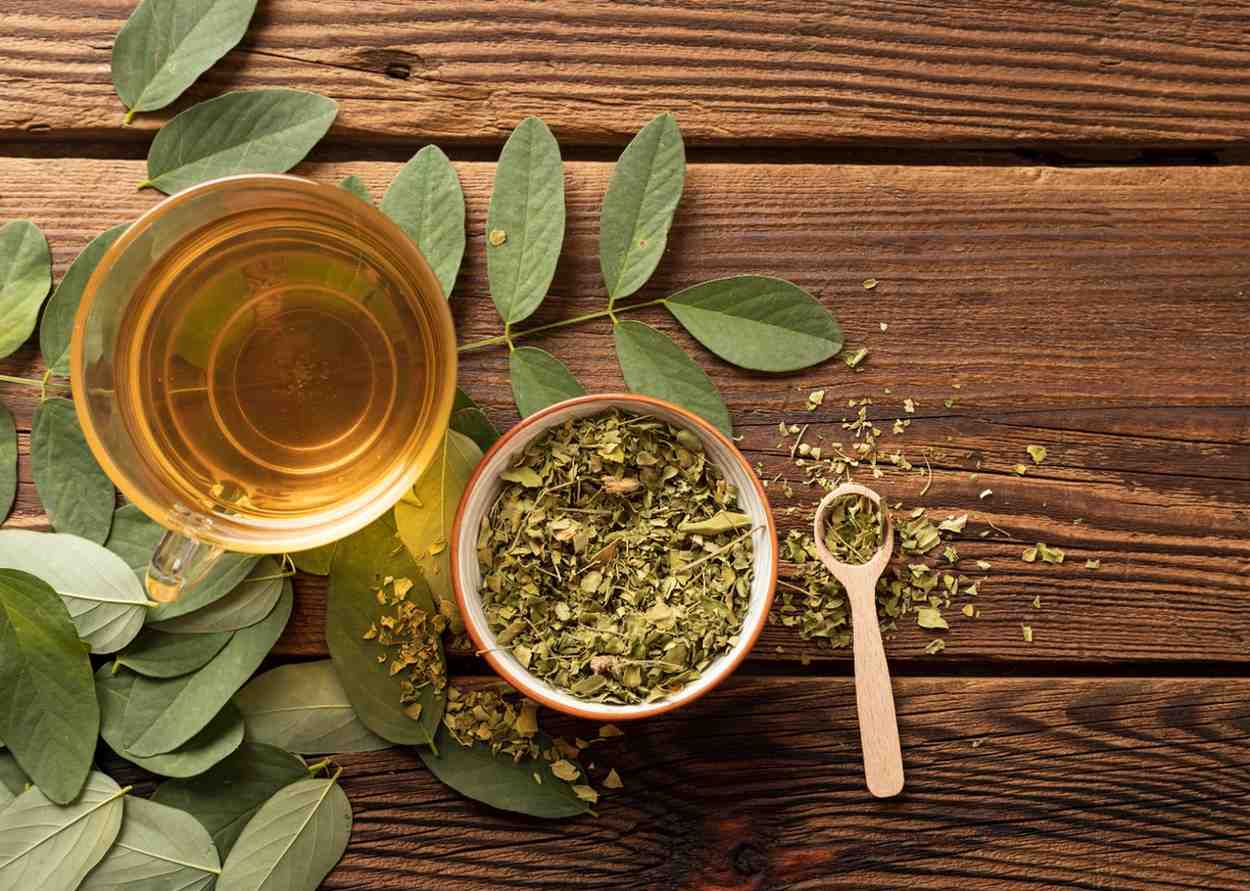
Making sage tea is simple. Here’s a quick recipe:
-
Ingredients:
- 1 tablespoon dried sage leaves or a handful of fresh leaves
- 2 cups of boiling water
- Optional: honey or lemon for taste
-
Instructions:
- Steep the sage leaves in boiling water for about 10-15 minutes.
- Strain the leaves and enjoy. You can add honey or lemon if desired.
When to Drink It
Many people find that drinking sage tea before meals can help curb appetite and stabilize blood sugar levels. However, some prefer to sip it in the afternoon as a pick-me-up. It’s essential to listen to your body and see what works best for you.
Common Mistakes
One common mistake is assuming that sage tea alone will regulate blood sugar levels. While it can be beneficial, it should be part of a comprehensive approach that includes a balanced diet and regular exercise. Also, ensure you’re using high-quality sage leaves, as lower-grade herbs may not provide the same health benefits.
Cultural Context: Sage in Traditional Medicine
Sage has a long history in traditional medicine, particularly in Mediterranean and Asian cultures. In traditional Chinese medicine, sage is often used to promote digestive health, while in European herbal practices, it has been employed for various ailments, including respiratory issues and digestive disorders.
This historical context adds depth to our understanding of sage’s potential health benefits. While modern science is still catching up, the traditional uses of sage offer valuable insights into its properties and potential applications.
Scientific Evidence: What the Research Says
While anecdotal evidence is compelling, scientific studies provide a more robust understanding of sage tea’s effects on blood sugar. Here are a few notable studies:
-
Antioxidant Properties: A study published in Food Chemistry highlighted sage’s high antioxidant capacity, which can help reduce oxidative stress—a factor in insulin resistance.
-
Glucose Metabolism: Research in the Journal of Diabetes Research demonstrated that sage extracts could enhance glucose metabolism in diabetic rats, indicating a potential benefit for humans as well.
-
Anti-inflammatory Effects: Chronic inflammation is linked to insulin resistance. A review in Molecules discussed how sage’s anti-inflammatory properties might contribute to improved metabolic health.
These studies underscore the potential of sage tea as a supportive measure for blood sugar management, though more research is needed to establish definitive conclusions.
Caveats and Considerations
While sage tea has its benefits, it’s essential to approach it with a balanced perspective. Some individuals may experience allergic reactions to sage, and excessive consumption could lead to adverse effects.
Moreover, while the initial research is promising, it’s crucial to recognize that sage tea is not a replacement for conventional treatments for diabetes or other blood sugar disorders. Always consult with a healthcare provider before making significant changes to your diet or treatment plan.
Frequently Asked Questions
1. Can sage tea replace my diabetes medication?
No, sage tea should not replace prescribed medications. It can be a complementary approach, but always consult your healthcare provider.
2. How often should I drink sage tea for blood sugar support?
While there’s no one-size-fits-all answer, many people find benefits from drinking 1-2 cups a day. Pay attention to how your body responds.
3. Are there any side effects to drinking sage tea?
Some individuals may be allergic to sage. Additionally, excessive consumption could lead to digestive issues or other adverse effects.
4. Can I combine sage tea with other herbal remedies?
Yes, sage can be combined with other herbs like cinnamon, which also supports healthy blood sugar levels. Just ensure that the combination is safe for you.
5. Is it better to use fresh or dried sage leaves?
Both fresh and dried sage have health benefits. Fresh sage may have a more potent flavor and higher concentrations of some compounds, but dried sage is convenient and still beneficial.
Conclusion: A Flavorful Ally in Blood Sugar Management
Sage tea isn’t just a soothing beverage; it’s a potential ally in the quest for balanced blood sugar levels. As research continues to unfold, the ancient wisdom surrounding sage is being validated by modern science.
Incorporating sage tea into your daily routine might not only enhance your culinary experiences but also contribute positively to your health. As always, maintaining a holistic approach to health—balancing diet, exercise, and mental well-being—is crucial. So, as you explore the benefits of sage tea, keep an open mind and pay attention to how your body responds.
This article is for educational purposes only and does not replace professional medical guidance. Always speak with a qualified healthcare provider before making changes to your health routine.
References
-
K. M. H. A. et al. (2016). “Effects of sage on glucose metabolism and insulin sensitivity.” Journal of Ethnopharmacology. Link
-
L. B. et al. (2019). “The antioxidant capacity of sage and its potential health benefits.” Food Chemistry. Link
-
A. T. et al. (2020). “The role of sage in managing diabetes: A review.” Journal of Diabetes Research. Link
-
M. A. et al. (2021). “Anti-inflammatory properties of sage: Implications for metabolic health.” Molecules. Link
Get Your FREE Natural Health Guide!
Subscribe now and receive our exclusive ebook packed with natural health tips, practical wellness advice, and easy lifestyle changes, delivered straight to your inbox.