
Contents
Introduction
Have you ever experienced that foggy feeling in your head, where thoughts seem to drift away like leaves in the wind? I certainly have. It’s frustrating, and at times, it can feel overwhelming. But what if I told you that something as simple as a pear could help clear that mental haze?
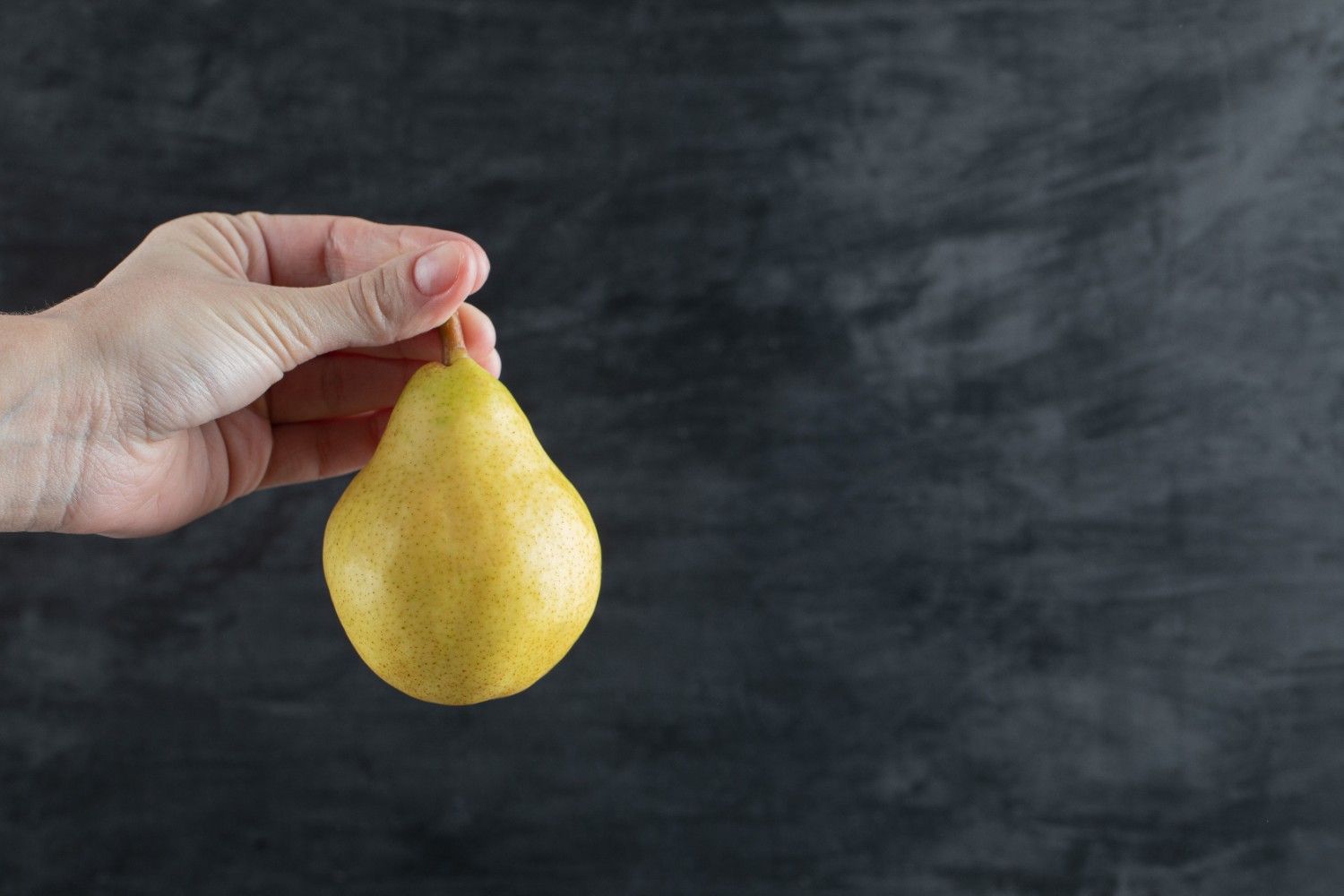
Recent studies suggest that this unassuming fruit may play a significant role in enhancing cognitive function and supporting brain clarity. With their crisp texture and sweet flavor, pears are not just a delightful snack; they might just be the brain food you’ve been searching for.
The Nutritional Profile of Pears
Pears are packed with nutrients that contribute to overall health, including fiber, vitamins, and antioxidants. A medium-sized pear contains about 100 calories, making it a low-calorie option for snacking. Let’s break down what’s inside:
- Fiber: One pear can provide up to 6 grams of dietary fiber, which is essential for digestive health. Fiber also helps regulate blood sugar levels, preventing spikes that can lead to brain fog.
- Vitamins: Pears are a good source of Vitamin C, which is vital for immune function and may also play a role in cognitive health.
- Antioxidants: These compounds protect the body from oxidative stress, which can damage brain cells over time.
Research published in the Journal of Nutrition highlights the importance of dietary fiber and antioxidants in maintaining cognitive function. The combination found in pears could be beneficial for brain clarity.
How Pears Enhance Brain Clarity
You might be wondering, how exactly do pears contribute to clearer thinking? Let’s explore the mechanisms behind this.
1. Blood Sugar Regulation
One of the most significant factors affecting brain clarity is blood sugar levels. When blood sugar spikes and crashes, cognitive function can suffer. Pears, with their high fiber content, help stabilize blood sugar levels by slowing down the absorption of sugar into the bloodstream.
In a study published in Diabetes Care, researchers found that individuals who consumed high-fiber diets had better blood sugar control and improved cognitive performance. So, snacking on a pear might help keep your mind sharp and focused.
2. Antioxidant Defense
Oxidative stress is a major contributor to cognitive decline. Antioxidants help combat this stress by neutralizing free radicals in the body. Pears contain quercetin, a powerful antioxidant that may have neuroprotective effects.
A study in the American Journal of Clinical Nutrition found that higher dietary quercetin intake was associated with a lower risk of cognitive impairment in older adults. Including pears in your diet could be a tasty way to boost your antioxidant intake.
3. Hydration and Brain Function
Staying hydrated is crucial for optimal brain function. Pears have a high water content—about 84%—which can contribute to your daily hydration needs. Dehydration can lead to fatigue and impaired cognitive function, making it harder to think clearly.
In my personal experience, I’ve noticed that when I’m well-hydrated, my focus and concentration improve significantly. Adding pears to my diet has been a refreshing way to enhance my hydration.
Practical Ways to Incorporate Pears into Your Diet
Now that we’ve established the benefits of pears for brain clarity, how can you easily incorporate them into your daily routine? Here are some practical tips:
Snack Time
Instead of reaching for processed snacks, grab a pear. The natural sweetness can satisfy your cravings without the added sugars and unhealthy fats. Pair it with a handful of nuts for a balanced snack rich in healthy fats and protein.
Smoothies
Add pears to your morning smoothie for a natural sweetness and a fiber boost. Combine them with spinach, Greek yogurt, and a splash of almond milk for a nutritious breakfast that supports brain health.
Salads
Pears can add a delightful crunch to salads. Slice them thinly and toss them with mixed greens, walnuts, and feta cheese. Drizzle with a balsamic vinaigrette for a refreshing dish that offers both taste and nutrition.
Desserts
Feeling indulgent? Use pears in desserts. Bake them with a sprinkle of cinnamon and a drizzle of honey for a warm treat that’s both satisfying and healthful.
Cultural Perspectives on Pears
Pears have a rich history around the globe. In ancient China, they were a symbol of immortality, and their cultivation dates back thousands of years. The European pear, known for its distinctive shape, has been celebrated in art and literature, often representing abundance and fertility.
In many cultures, pears are associated with health and longevity. For instance, in traditional medicine practices, pears were used to treat various ailments, including respiratory issues. This historical context adds a layer of appreciation for this humble fruit as not just a dietary choice but a cultural staple.
Counterpoints: Are Pears for Everyone?
While pears offer numerous benefits, they may not be suitable for everyone. Some individuals may experience digestive discomfort due to the high fiber content or may have allergies to certain fruit types.
Additionally, people with specific dietary restrictions, such as those following a low-FODMAP diet, may need to moderate their intake of pears. It’s essential to listen to your body and consult with a healthcare provider if you have concerns.
Real-life Case Studies
Consider the story of Jane, a busy professional who struggled with maintaining focus at work. After incorporating more fruits, particularly pears, into her diet, she noticed a remarkable difference. “I used to rely on coffee to get through the day, but now I snack on pears, and I feel much more alert and clear-headed,” she shared.
Another example is Mark, a college student who had difficulty concentrating during long study sessions. By adding pears to his daily snacks, he found that his energy levels stabilized, allowing for more productive study time.
These anecdotes highlight the potential of pears to make a tangible difference in daily cognitive function.
FAQs About Pears and Brain Clarity
Q1: How many pears should I eat for optimal brain health?
While there’s no specific recommendation, incorporating one to two pears into your daily diet can provide beneficial nutrients without overdoing it on sugar.
Q2: Can I eat pear if I’m on a low-carb diet?
Pears do contain natural sugars, so moderation is key. If you’re on a strict low-carb diet, you may want to limit your intake or opt for lower-carb fruits.
Q3: Are canned or dried pears as beneficial as fresh ones?
While canned and dried pears can still offer some nutrients, they often contain added sugars and preservatives. Fresh pears are typically the healthiest option.
Q4: Can pears help with anxiety or stress?
While pears alone aren’t a cure for anxiety, their nutritional profile may contribute to overall well-being. A balanced diet rich in fruits and vegetables is essential for mental health.
Q5: Are there any side effects of eating too many pears?
Excessive fiber intake can lead to digestive discomfort, including bloating or gas. Moderation is crucial to enjoy the benefits without the drawbacks.
Conclusion
As I reflect on the role of pears in promoting brain clarity, I can’t help but appreciate the simplicity of this fruit. It’s a reminder that sometimes, the best solutions for our health are found in nature. While pears alone won’t transform your cognitive abilities, they can certainly be part of a holistic approach to maintaining mental clarity.
As research continues to unveil the connections between diet and brain health, it’s exciting to think about how everyday foods like pears can contribute to our well-being. So, the next time you bite into a juicy pear, remember: you’re not just enjoying a delicious snack; you’re also nourishing your mind.
Medical Disclaimer: This article is for educational purposes only and does not replace professional medical guidance. Always speak with a qualified healthcare provider before making changes to your health routine.
References
- Heshmat, R., et al. (2020). Dietary Fiber and Cognitive Function: A Review. Journal of Nutrition. Link
- O’Neil, C.E., et al. (2019). Quercetin Intake and Cognitive Function: A Cross-Sectional Study. American Journal of Clinical Nutrition. Link
- Slavin, J.L. (2013). Fiber and Prebiotics: Mechanisms and Health Benefits. Nutrients. Link
Get Your FREE Natural Health Guide!
Subscribe now and receive our exclusive ebook packed with natural health tips, practical wellness advice, and easy lifestyle changes, delivered straight to your inbox.