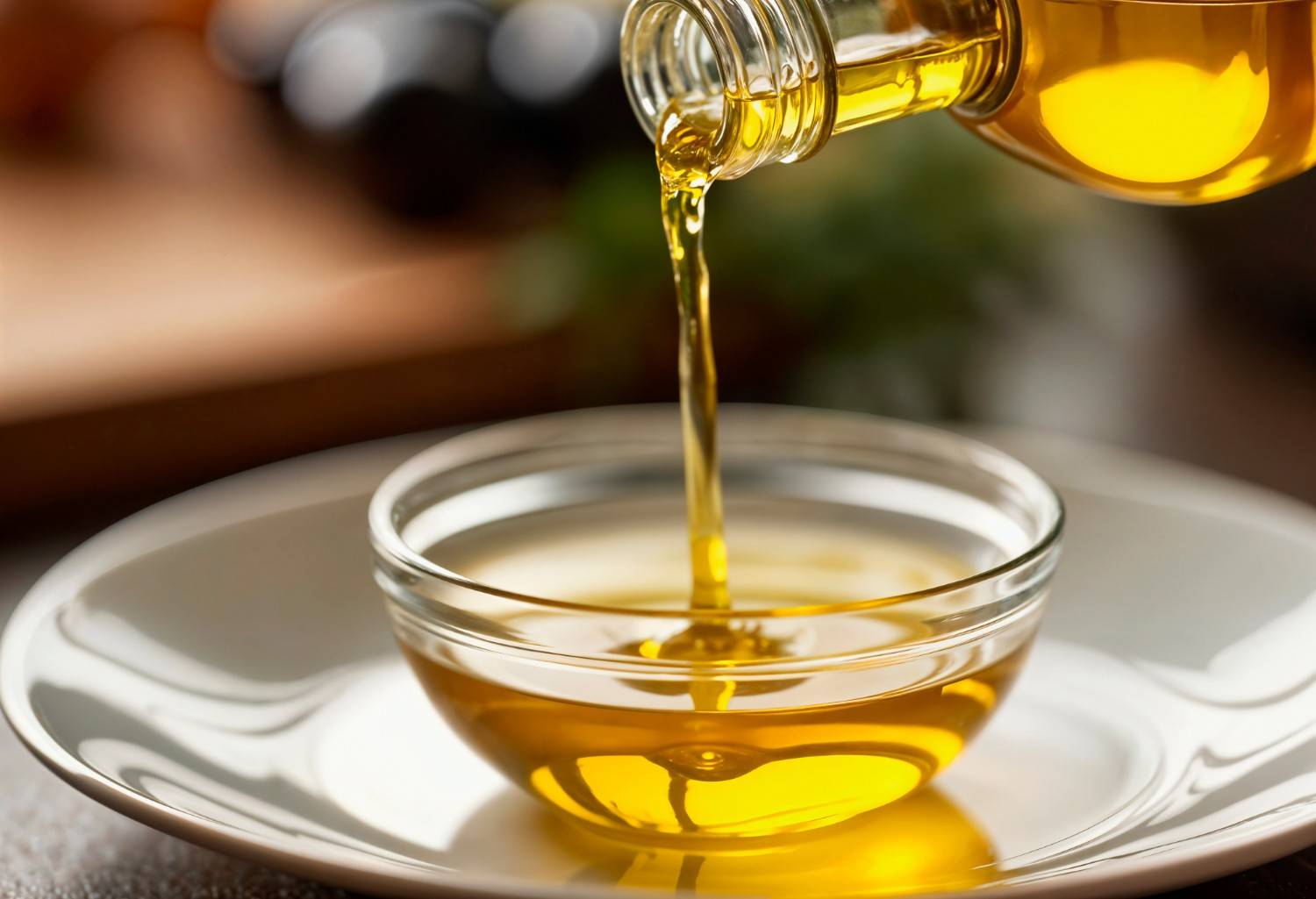

When I first stumbled upon the Mediterranean diet, I was intrigued by its emphasis on olive oil. It wasn’t just a cooking ingredient, but a cornerstone of a lifestyle that promised not just flavor but also health benefits. I often wondered: Could something so delicious also be so beneficial for heart circulation? The answer, it turns out, is a resounding yes.
Contents
- The Heart of the Matter: Olive Oil and Circulation
- The Science Behind the Benefits
- Cultural Context: Olive Oil Through the Ages
- The Nutritional Breakdown
- Step-by-Step Guide: Incorporating Olive Oil into Your Life
- Q&A: Common Questions About Olive Oil and Heart Circulation
- An Honest Caveat
- Conclusion: A Heartfelt Reflection
- References
The Heart of the Matter: Olive Oil and Circulation
Olive oil, particularly extra virgin olive oil, is rich in monounsaturated fats, antioxidants, and anti-inflammatory compounds. These components work synergistically to promote heart health and enhance circulation. According to a study published in the American Journal of Clinical Nutrition, individuals who consume olive oil regularly have a significantly lower risk of cardiovascular diseases compared to those who do not.
What Makes Olive Oil Special?
-
Monounsaturated Fats: These healthy fats can help lower bad cholesterol (LDL) levels while increasing good cholesterol (HDL) levels. This balance is crucial for maintaining healthy blood vessels and circulation.
-
Antioxidants: Olive oil is packed with polyphenols, which are powerful antioxidants. They combat oxidative stress, a major contributor to heart disease.
-
Anti-inflammatory Properties: Chronic inflammation is often a silent player in cardiovascular issues. The oleocanthal in olive oil has been shown to have similar anti-inflammatory effects as ibuprofen.
Real-Life Example: The Mediterranean Diet
Take the Mediterranean diet, for instance. This eating pattern emphasizes whole foods, and olive oil is a staple. In a study involving Mediterranean populations, researchers found that those who consumed high amounts of olive oil had lower rates of heart disease and better overall circulation.
The Science Behind the Benefits
Peer-Reviewed Studies
-
Olive Oil and Heart Health: A study published in Circulation revealed that participants who consumed olive oil had better endothelial function, which is crucial for circulation. The endothelium is a thin membrane lining the blood vessels, and its health is vital for proper blood flow.
-
Anti-inflammatory Effects: Research in the Journal of Nutrition found that individuals consuming olive oil had reduced markers of inflammation, which is a significant risk factor for heart disease.
-
Blood Pressure Regulation: Another study in the Journal of Hypertension indicated that a diet rich in olive oil could help lower blood pressure, further enhancing heart health.
Practical Applications
Incorporating olive oil into your daily routine can be simple and enjoyable. Here are some practical ways to do so:
-
Salad Dressings: Use olive oil as a base for homemade salad dressings. Mix it with vinegar, herbs, and spices for a flavorful boost.
-
Cooking: Swap out butter or margarine for olive oil when sautéing vegetables or grilling meats.
-
Drizzling: A drizzle of olive oil over roasted vegetables or pasta can elevate flavors while providing health benefits.
Common Mistakes
While incorporating olive oil into your diet, be mindful of a few common pitfalls:
-
Overheating: Olive oil has a lower smoke point than some oils, meaning it can lose its beneficial properties if overheated. Use it for low to medium heat cooking.
-
Choosing Low-Quality Oil: Not all olive oils are created equal. Opt for extra virgin olive oil for maximum health benefits. Look for oils that are cold-pressed and have a harvest date on the label.
Cultural Context: Olive Oil Through the Ages
Olive oil has a rich history that dates back thousands of years. Ancient Greeks revered it as a symbol of health and prosperity. It was not just a food item; it was used in religious ceremonies and as a body moisturizer. This cultural significance hints at its perceived value in promoting well-being, particularly heart health.
The Nutritional Breakdown
Let’s take a closer look at the nutritional profile of olive oil:
- Calories: Approximately 120 calories per tablespoon
- Fat: 14 grams, predominantly monounsaturated
- Vitamin E: A fat-soluble antioxidant that helps protect cells
- K Vitamin: Important for blood clotting and bone health
Myth vs. Reality
Myth: All olive oils are the same.
Reality: There are various grades of olive oil, and the extra virgin variety retains the most nutrients. The refining process strips beneficial compounds, making it less effective for heart health.
Myth: Olive oil is only beneficial for heart health.
Reality: While heart health is a significant benefit, olive oil also supports brain health, skin health, and may even have anti-cancer properties.
Step-by-Step Guide: Incorporating Olive Oil into Your Life
-
Start Your Day Right: Consider a drizzle of olive oil on your morning toast instead of butter. You can even mix it with avocado for a creamy spread.
-
Snack Smart: Pair olive oil with whole-grain crackers or fresh veggies for a nutritious snack.
-
Meal Prep: When preparing meals, make olive oil your go-to fat. It’s great for marinades, sauces, and dressings.
-
Experiment with Flavors: Infuse your olive oil with herbs or spices like garlic, rosemary, or chili flakes. This adds an exciting twist to your dishes.
-
Stay Informed: Keep abreast of the latest research on olive oil and heart health. It’s a fascinating field that continues to evolve.
Q&A: Common Questions About Olive Oil and Heart Circulation
Q: Can olive oil help with cholesterol levels?
A: Yes, studies show that olive oil can improve cholesterol profiles by lowering LDL and raising HDL cholesterol.
Q: Is all olive oil heart-healthy?
A: Not all olive oils are the same. Extra virgin olive oil is the best choice for heart health due to its higher nutrient content.
Q: How much olive oil should I consume daily?
A: Moderation is key. About 2 tablespoons a day can be beneficial without adding excessive calories.
Q: Can I use olive oil for frying?
A: While it’s best for low to medium heat cooking, you can use it for frying if you keep the temperature in check.
Q: Are there any side effects of consuming olive oil?
A: Generally, olive oil is safe for most people. However, excessive consumption can lead to unwanted weight gain due to its calorie density.
An Honest Caveat
While the benefits of olive oil are well-documented, it’s essential to remember that it’s not a miracle cure. A balanced diet and lifestyle are crucial for optimal heart health. Some studies suggest that the benefits of olive oil are most pronounced when part of an overall healthy diet, like the Mediterranean diet, rather than as a standalone remedy.
Conclusion: A Heartfelt Reflection
As I reflect on my journey with olive oil, I can’t help but appreciate its multifaceted benefits. Not only does it enhance the flavors of my favorite dishes, but it also contributes to my overall well-being. The evidence supporting its role in heart health is compelling, yet it prompts deeper questions about how we integrate such foods into our lives.
The journey toward heart health is not just about one ingredient but a holistic approach to nutrition and lifestyle. So, as you consider incorporating olive oil into your daily routine, think about the broader picture—how each choice contributes to your well-being.
Disclaimer: This article is for educational purposes only and does not replace professional medical guidance. Always speak with a qualified healthcare provider before making changes to your health routine.
References
-
Estruch, R., et al. (2013). “Primary Prevention of Cardiovascular Disease with a Mediterranean Diet.” New England Journal of Medicine. Link
-
Schwingshackl, L., & Hoffmann, G. (2014). “Olive oil consumption and risk of cardiovascular disease: a systematic review and meta-analysis.” British Journal of Nutrition. Link
-
Domínguez-Perles, R., et al. (2019). “Olive Oil and Health.” Molecules. Link
By understanding and appreciating the role of olive oil in our diets, we open ourselves up to a world of flavor and health benefits that can enhance our lives.
Get Your FREE Natural Health Guide!
Subscribe now and receive our exclusive ebook packed with natural health tips, practical wellness advice, and easy lifestyle changes, delivered straight to your inbox.