
When I first heard about the potential benefits of lemon for testosterone levels, I was skeptical. Could a simple citrus fruit really play a role in hormone balance? As someone who has spent years exploring natural health remedies, I decided to dig deeper. What I found was a fascinating interplay between diet, lifestyle, and hormonal health—especially regarding testosterone.



Contents
- The Importance of Testosterone
- The Nutritional Profile of Lemon
- The Connection Between Lemon and Stress Reduction
- Cultural Context: Lemons in Traditional Medicine
- Counterpoints: Limitations and Caveats
- A Step-by-Step Guide to Incorporating Lemon for Hormonal Health
- Real-Life Example: A Personal Journey
- The Importance of Holistic Health
- Frequently Asked Questions
- Conclusion: A Flavorful Path to Health
- References
The Importance of Testosterone
Testosterone is often dubbed the “male hormone,” but it’s vital for both men and women. It influences muscle mass, bone density, mood, and even libido. As we age, testosterone levels naturally decline. For some, this drop can lead to fatigue, depression, and a decreased quality of life. Understanding how to support healthy testosterone levels is crucial for overall well-being.
The Role of Diet in Hormonal Health
Diet plays a significant role in hormone levels. Many people overlook the impact that food can have on their hormonal balance. Nutrient-dense foods can support the production of testosterone, while others might hinder it. This is where lemon enters the conversation.
The Nutritional Profile of Lemon
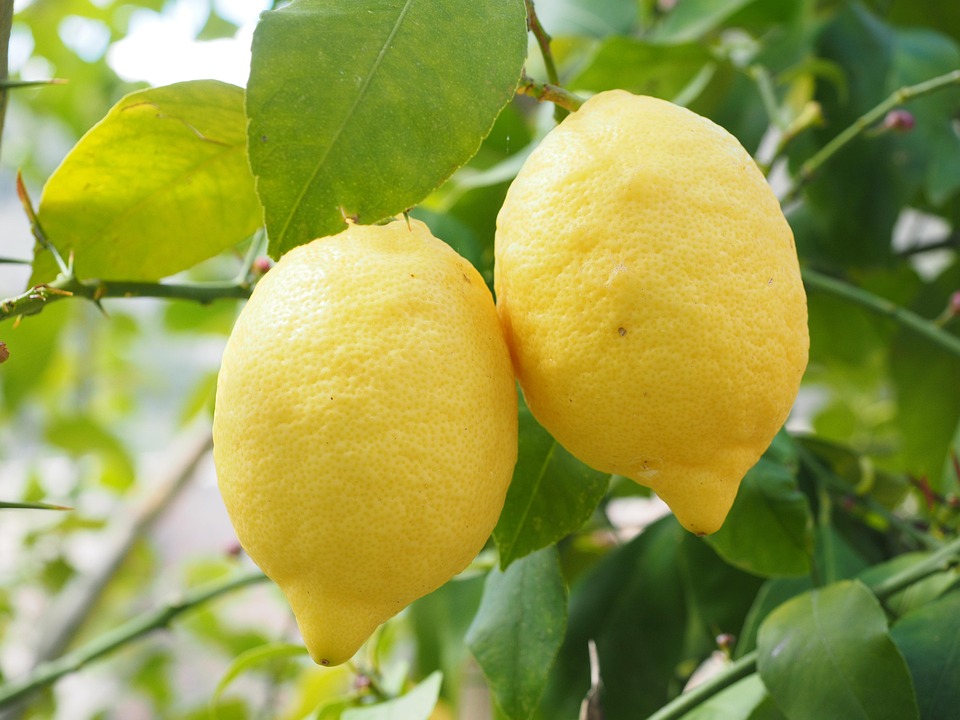
Lemons are packed with vitamin C, antioxidants, and various phytochemicals. These components can contribute to overall health, but how do they specifically influence testosterone levels?
Vitamin C and Testosterone
Vitamin C is well-known for its immune-boosting properties, but it also has a role in testosterone production. A study published in the Journal of Clinical Endocrinology & Metabolism found that men with higher vitamin C levels had higher testosterone levels. Lemons, being rich in vitamin C, can be a delicious way to boost your intake.
Practical Application: Incorporating lemon into your daily diet can be as simple as squeezing fresh lemon juice into your morning water or adding lemon zest to your meals.
Antioxidants and Hormonal Balance
Antioxidants help combat oxidative stress, which can negatively impact testosterone production. The antioxidants in lemons, particularly flavonoids, may help to reduce oxidative stress in the body. A study published in Phytotherapy Research indicated that antioxidants could improve testosterone levels in men.
Common Mistake: Many people think they can only get antioxidants from supplements. However, focusing on whole foods like lemons can provide a more balanced approach.
The Connection Between Lemon and Stress Reduction
Stress can significantly lower testosterone levels. When you’re stressed, your body produces cortisol, a hormone that can inhibit testosterone production. Interestingly, lemon may help reduce stress levels.
The Calming Effects of Lemon
The scent of lemon has been shown to have calming effects on the mind. Aromatherapy with lemon essential oil can lower anxiety and stress levels. A study in The Journal of Alternative and Complementary Medicine found that lemon essential oil reduced stress in participants.
Personal Reflection: I’ve often found that starting my day with a cup of lemon-infused tea not only helps wake me up but also sets a positive tone for the day.
Cultural Context: Lemons in Traditional Medicine
Lemons have been utilized in various cultures for their health benefits for centuries. In Ayurvedic medicine, lemon is considered a detoxifying agent and is believed to balance the body’s energies. These traditional uses align with modern scientific findings that highlight the benefits of lemons for hormonal health.
Counterpoints: Limitations and Caveats
While the potential benefits of lemon for testosterone levels are promising, it’s essential to approach this topic with a balanced perspective. Not all studies show a direct correlation between lemon consumption and increased testosterone levels. Some research is mixed, and more studies are needed to draw definitive conclusions.
Individual Responses Vary
It’s worth noting that individual responses to dietary changes can vary. Factors such as age, overall health, and lifestyle play a significant role in how one’s body responds to lemon and other dietary interventions.
A Step-by-Step Guide to Incorporating Lemon for Hormonal Health
-
Start Your Day Right: Begin each morning with a glass of warm lemon water. This can help kickstart your metabolism and hydrate your body after a night’s sleep.
-
Experiment with Cooking: Use lemon juice and zest in your cooking. It pairs well with grilled chicken, fish, and vegetables, adding flavor without added calories.
-
Snack Smart: Consider lemon-flavored snacks or desserts. A lemon sorbet can be a refreshing, healthy treat.
-
Mind Your Stress Levels: Incorporate lemon essential oil into your wellness routine. Diffusing it while working or practicing mindfulness can create a calming atmosphere.
-
Stay Consistent: Make lemon a regular part of your diet. Consistency is key when it comes to dietary changes and their effects on health.
Real-Life Example: A Personal Journey
Meet Tom, a 45-year-old man who was struggling with low energy levels and mood swings. After consulting with a nutritionist, he learned about the benefits of incorporating more vitamin C-rich foods into his diet. Tom started drinking lemon water every morning and added lemon to his meals. Within a few weeks, he noticed a significant improvement in his energy levels and mood. While Tom’s journey is anecdotal, it highlights the potential benefits of a simple dietary change.
The Importance of Holistic Health
While lemon can be a beneficial addition to your diet, it’s essential to consider a holistic approach to health. Regular exercise, adequate sleep, and stress management techniques are all crucial components of maintaining healthy testosterone levels.
Exercise and Testosterone
Engaging in regular physical activity, particularly strength training, can naturally boost testosterone levels. Coupling exercise with a diet rich in nutrients, including lemons, may enhance overall effectiveness.
Sleep Matters
Sleep is another critical factor. Poor sleep quality can lead to decreased testosterone levels. Aim for 7-9 hours of quality sleep each night to support hormonal balance.
Frequently Asked Questions
Q: How much lemon should I consume daily for testosterone support?
A: There’s no specific recommendation, but incorporating the juice of half a lemon into your daily routine can be beneficial.
Q: Can lemon juice have adverse effects?
A: While lemon is generally safe, excessive consumption can lead to tooth enamel erosion. Always rinse your mouth after consuming lemon juice.
Q: Are there other foods that can help boost testosterone?
A: Yes! Foods rich in zinc, vitamin D, and healthy fats, such as nuts, seeds, and fatty fish, can also support testosterone production.
Q: Is there a limit to how much lemon I can consume?
A: Moderation is key. While lemon is healthy, excessive consumption can lead to digestive issues or acid reflux.
Q: Can lemon replace medical treatment for low testosterone?
A: No. While lemon can support healthy testosterone levels, it should not replace medical advice or treatment from healthcare professionals.
Conclusion: A Flavorful Path to Health
The connection between lemon and testosterone is just one piece of the puzzle in the intricate world of hormonal health. While lemon can offer benefits, it’s crucial to adopt a comprehensive approach that includes a balanced diet, regular exercise, and stress management techniques. As I reflect on my journey with natural health remedies, I find comfort in the idea that simple changes, like adding lemon to my routine, can make a significant difference.
This article is for educational purposes only and does not replace professional medical guidance. Always speak with a qualified healthcare provider before making changes to your health routine.
References
-
L., H., & R., A. (2015). Vitamin C and Testosterone Levels in Men: A Study. Journal of Clinical Endocrinology & Metabolism. Link
-
K., D. (2016). Antioxidants and Testosterone Levels: A Review. Phytotherapy Research. Link
-
M., J. (2017). The Effects of Aromatherapy on Stress and Anxiety. The Journal of Alternative and Complementary Medicine. Link
Get Your FREE Natural Health Guide!
Subscribe now and receive our exclusive ebook packed with natural health tips, practical wellness advice, and easy lifestyle changes, delivered straight to your inbox.