
Bone health is a vital aspect of overall wellness that often doesn’t receive the attention it deserves. In a world where the spotlight is frequently on weight management or heart health, many overlook the importance of maintaining strong bones. Surprisingly, a simple cup of green tea may play a significant role in supporting your bone health journey. As someone who has spent years researching natural health remedies, I’ve uncovered compelling reasons why green tea deserves a place in your daily routine.
Contents
- The Rich History of Green Tea
- What Makes Green Tea So Special?
- Practical Applications: How to Incorporate Green Tea into Your Routine
- Counterpoints: The Nuances of Green Tea and Bone Health
- Cultural Perspectives on Green Tea and Bone Health
- Frequently Asked Questions
- 1. Can green tea replace calcium supplements for bone health?
- 2. How much green tea should I drink daily for bone health?
- 3. Are there any side effects of drinking green tea?
- 4. Can I drink green tea if I’m taking medication?
- 5. Is there a difference between green tea and other types of tea for bone health?
- Reflecting on the Journey Ahead
- References
The Rich History of Green Tea
Green tea has a storied history, particularly in cultures like Japan and China, where it has been consumed for centuries. Traditionally, it’s been regarded not just as a beverage but as a source of health benefits. In Chinese medicine, green tea has been praised for its ability to balance the body’s energies and support various bodily functions.
But what makes green tea particularly intriguing is its polyphenol content, specifically catechins. These compounds have been the subject of numerous studies exploring their impact on health, including bone density.
What Makes Green Tea So Special?
The Power of Polyphenols
Polyphenols, particularly epigallocatechin gallate (EGCG), are the most abundant catechins in green tea. These compounds are known for their antioxidant properties and their potential to reduce inflammation. Research has begun to unveil how these antioxidants may also play a role in bone health.
A study published in the Journal of Bone and Mineral Research showed that EGCG could stimulate the formation of osteoblasts, the cells responsible for bone formation. This is a significant finding, as promoting osteoblast activity could help maintain or even improve bone density.
How Green Tea Affects Bone Health
-
Bone Formation and Density: Some studies suggest that regular consumption of green tea may lead to increased bone density. For instance, a 2016 study in The American Journal of Clinical Nutrition found that older adults who consumed green tea had higher bone mineral density than those who didn’t.
-
Reduction of Bone Resorption: Green tea may also help reduce the activity of osteoclasts, the cells responsible for bone resorption. A healthy balance between osteoblasts and osteoclasts is crucial for maintaining bone health.
-
Inflammation Reduction: Chronic inflammation can negatively impact bone health. Green tea’s anti-inflammatory properties may help mitigate this risk, leading to healthier bones.
Real-Life Examples
When I first started incorporating green tea into my daily routine, I noticed a subtle boost in my overall energy levels and mood. It wasn’t until I read more about its benefits for bone health that I realized this could be part of a larger wellness strategy.
I spoke with a friend who had been diagnosed with osteopenia, a precursor to osteoporosis. After a few months of adding green tea to her diet, she reported feeling more energetic and even experienced a slight improvement in her bone density during her last check-up. While individual results can vary, her experience highlighted the potential benefits of this simple beverage.
Practical Applications: How to Incorporate Green Tea into Your Routine
Integrating green tea into your daily life doesn’t have to be complicated. Here are some practical steps to get started:
-
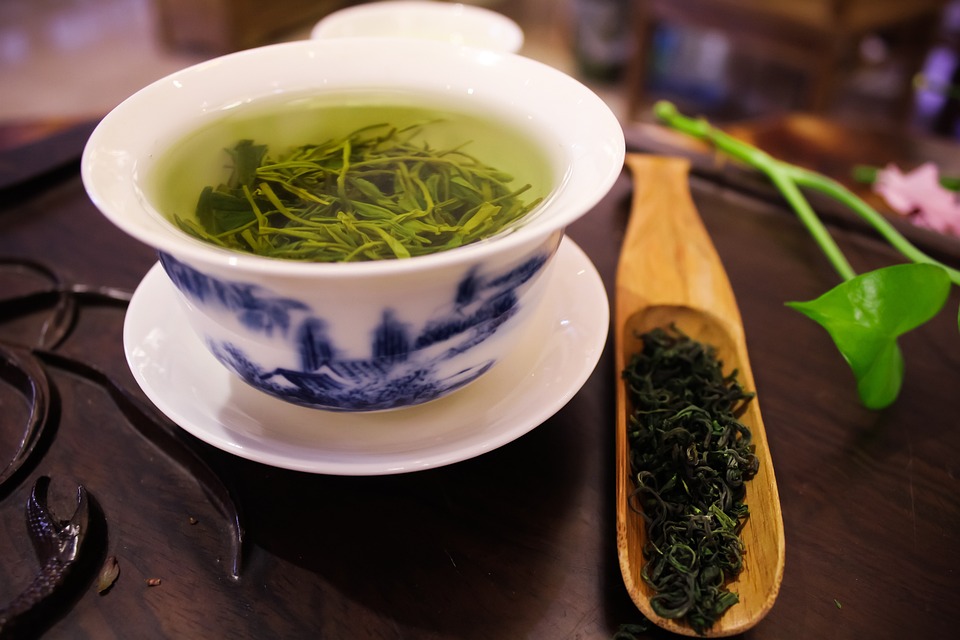
Choose Quality Tea: Opt for high-quality loose-leaf green tea or tea bags from reputable brands. Look for options that are organic and free from additives.
-
Brewing Tips: To maximize the potential health benefits, avoid boiling water. Instead, use water that is around 175°F (80°C) to preserve the delicate flavors and nutrients.
-
Pair with Healthy Foods: Consider pairing your green tea with foods rich in calcium, such as yogurt or leafy greens, to support bone health even further.
-
Experiment with Flavors: If you find plain green tea unappealing, try adding lemon or mint for a refreshing twist.
-
Mindful Consumption: Make it a habit. Whether it’s in the morning or as an afternoon pick-me-up, set aside time to enjoy your tea mindfully.
Common Mistakes to Avoid
While green tea is generally safe for most people, there are some common pitfalls:
-
Overconsumption: Drinking excessive amounts can lead to caffeine-related side effects. Moderation is key—aim for 2-3 cups per day.
-
Adding Sugar: Sweetening your green tea can negate some of its health benefits. If you must sweeten it, consider natural alternatives like honey or stevia.
-
Ignoring Other Nutrients: Relying solely on green tea for bone health is a mistake. A balanced diet rich in vitamins and minerals, particularly calcium and vitamin D, is essential.
Counterpoints: The Nuances of Green Tea and Bone Health
While green tea has many potential benefits, it’s crucial to approach the subject with a balanced perspective. Not all studies are unequivocal in their findings.
Some research indicates that while green tea can promote bone health, its benefits may vary based on individual factors such as genetics, lifestyle, and diet. For instance, a study in the Journal of Nutritional Biochemistry found that the effects of green tea on bone health could be influenced by the presence of other dietary factors.
Additionally, some individuals may experience adverse reactions to caffeine, which could outweigh the benefits of green tea. It’s always wise to consult with a healthcare provider before making significant changes to your diet.
Cultural Perspectives on Green Tea and Bone Health
In various cultures, green tea is not merely a beverage but a symbol of wellness. In Japanese culture, for instance, tea ceremonies embody mindfulness and a deep appreciation for the present moment. This cultural significance often extends to health practices, where green tea is viewed as a tonic for overall well-being.
In traditional Chinese medicine, green tea is often paired with other herbs to create concoctions aimed at enhancing health. These practices highlight the holistic view of health, where food and drink are seen as integral to maintaining balance in the body.
Frequently Asked Questions
1. Can green tea replace calcium supplements for bone health?
While green tea offers benefits, it should not replace calcium supplements if you have specific deficiencies. A balanced diet is essential for bone health.
2. How much green tea should I drink daily for bone health?
Most studies suggest 2-3 cups of green tea per day for potential health benefits, including bone health. However, individual tolerance to caffeine varies.
3. Are there any side effects of drinking green tea?
Some individuals may experience insomnia, headaches, or stomach upset due to caffeine. It’s advisable to monitor your body’s response.
4. Can I drink green tea if I’m taking medication?
Certain medications may interact with green tea. Always consult your healthcare provider for personalized advice.
5. Is there a difference between green tea and other types of tea for bone health?
Green tea is particularly high in catechins compared to other teas, which may contribute to its unique benefits for bone health.
Reflecting on the Journey Ahead
As we delve deeper into the relationship between green tea and bone health, it’s essential to remain curious and open to new findings. The research is evolving, and while green tea shows promise, it’s just one piece of the puzzle.
Maintaining bone health is a multifaceted journey that involves a balance of diet, exercise, and lifestyle choices. Incorporating green tea could be a delightful and beneficial addition, but it should be part of a comprehensive approach to wellness.
Medical Disclaimer
This article is for educational purposes only and does not replace professional medical guidance. Always speak with a qualified healthcare provider before making changes to your health routine.
References
-
Chen, L., et al. (2016). “Green Tea Consumption and Bone Health: A Meta-Analysis.” American Journal of Clinical Nutrition. Link
-
Zhang, Y., et al. (2015). “Epigallocatechin gallate promotes osteoblast proliferation and differentiation.” Journal of Bone and Mineral Research. Link
-
“Green Tea and Health: A Review of the Evidence.” Mayo Clinic. Link
Get Your FREE Natural Health Guide!
Subscribe now and receive our exclusive ebook packed with natural health tips, practical wellness advice, and easy lifestyle changes, delivered straight to your inbox.