
When I first stumbled upon ginseng tea, I was intrigued by its reputation as a natural remedy for various ailments, particularly for maintaining balance in blood sugar levels. Living in a world where diabetes and metabolic disorders are becoming increasingly prevalent, I often wondered: could this ancient herbal remedy really make a difference? As someone who has spent years researching natural health remedies, I decided to dig deeper into the potential of ginseng tea and its role in blood sugar management.

Contents
- What is Ginseng?
- Ginseng Tea: A Historical Perspective
- The Science Behind Ginseng and Blood Sugar
- Common Mistakes and Caveats
- Cultural Insights: Ginseng in Different Traditions
- Real-Life Examples
- The Myth vs. Reality of Ginseng Tea
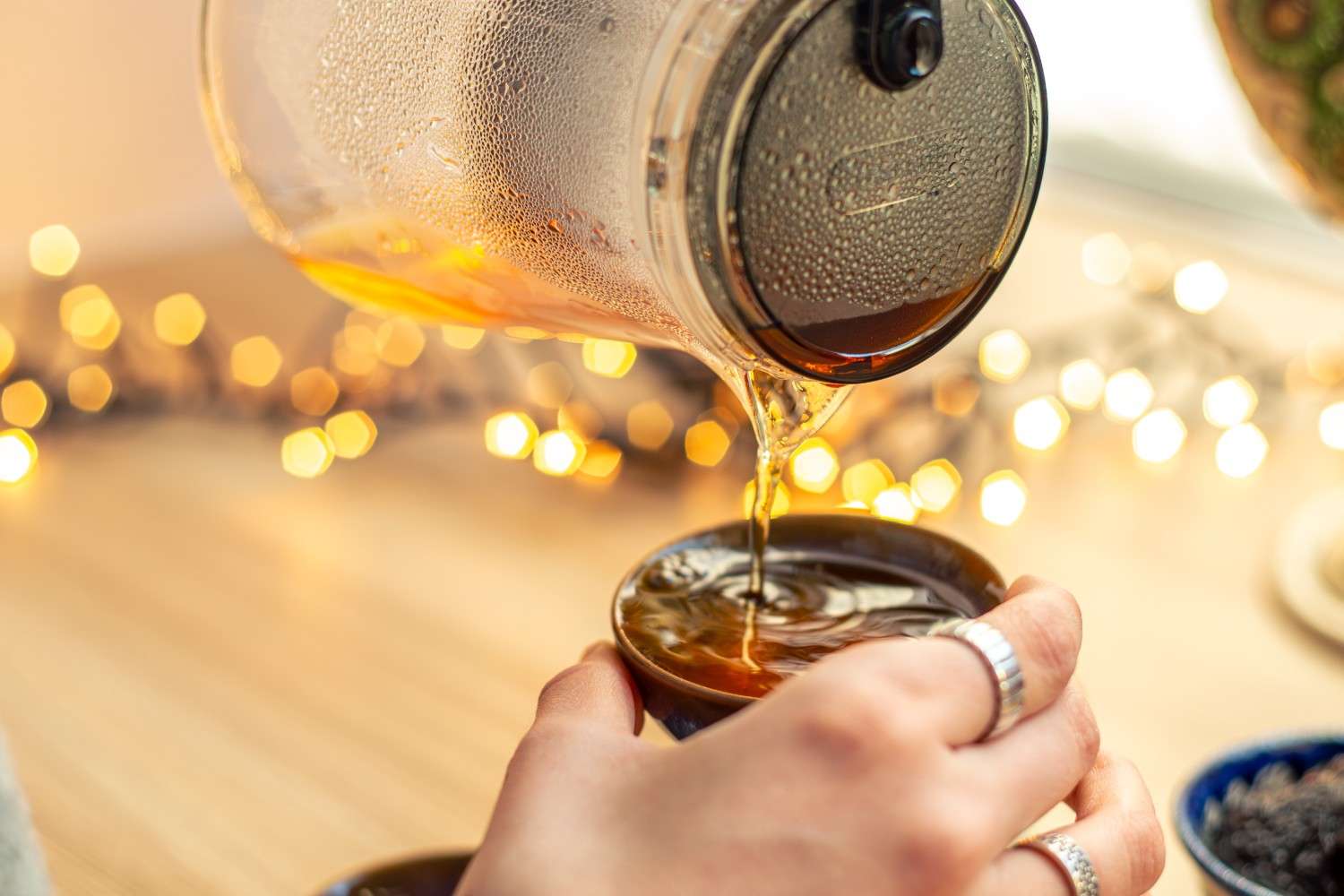
- Step-by-Step Guide to Brewing Ginseng Tea
- FAQs About Ginseng Tea and Blood Sugar
- Conclusion: A Holistic Approach to Blood Sugar Management
- References
What is Ginseng?
Ginseng, particularly Panax ginseng, has been used for centuries in traditional medicine, especially in Asian cultures. Known as “the root of life,” it’s celebrated for its adaptogenic properties, which help the body cope with stress. The active compounds in ginseng, called ginsenosides, are believed to be responsible for its health benefits. But how does this translate to blood sugar balance?
Ginseng Tea: A Historical Perspective
Historically, ginseng has been revered not just for its health benefits but also as a cultural symbol of vitality and longevity. In traditional Chinese medicine, ginseng is often prescribed to enhance energy and overall well-being. According to a study published in the Journal of Ginseng Research, ginseng has been shown to lower blood glucose levels and improve insulin sensitivity in both animal and human studies (1). This historical context adds a layer of credibility to its modern-day applications.
The Science Behind Ginseng and Blood Sugar
How Ginseng Works
Research indicates that ginseng can enhance glucose metabolism. It appears to improve insulin sensitivity, which is crucial for maintaining stable blood sugar levels. One study found that participants who consumed ginseng experienced a significant reduction in fasting blood glucose levels compared to those who did not (2).
However, it’s essential to note that while some studies show promising results, others indicate mixed outcomes. For example, a meta-analysis published in Diabetes Care concluded that while ginseng may have beneficial effects on blood sugar, the results can vary widely depending on the dosage and preparation method (3).
Practical Applications
If you’re considering incorporating ginseng tea into your routine for blood sugar balance, here’s how to do it:
-
Choose Quality Ginseng: Look for high-quality, organic ginseng roots or tea bags. The potency can significantly affect its efficacy.
-
Brew it Right: Steep the tea for at least 10-15 minutes. This allows the ginsenosides to fully infuse into the water.
-
Mind the Dosage: Start with one cup daily and monitor how your body responds. Some individuals may experience gastrointestinal discomfort if they consume too much.
-
Pair with a Balanced Diet: Ginseng tea should complement a balanced diet rich in whole foods, fiber, and healthy fats, which can further aid in blood sugar management.
-
Consistency is Key: Like any natural remedy, consistency is vital. Incorporate it into your daily routine for the best results.
Common Mistakes and Caveats
While ginseng tea can be beneficial, it’s not a panacea. Here are some common pitfalls to avoid:
-
Not Consulting a Healthcare Provider: If you have diabetes or any other health condition, consult a healthcare professional before adding ginseng tea to your regimen. It can interact with medications, particularly those for blood sugar management.
-
Over-Reliance on Ginseng: Some individuals may assume that drinking ginseng tea alone will solve their blood sugar issues. It’s essential to combine it with lifestyle changes, such as a balanced diet and regular exercise.
-
Ignoring Body Signals: Pay attention to how your body reacts. If you experience any adverse effects, consider reducing your intake or discontinuing use.
Cultural Insights: Ginseng in Different Traditions
In various cultures, ginseng is not just a health supplement; it’s also an integral part of culinary traditions. For example, in Korea, ginseng is often added to soups, believed to enhance vitality. In Chinese culture, it’s frequently used in herbal medicine formulations. These practices reinforce the notion that ginseng tea can be a versatile addition to one’s diet, transcending mere health benefits.
Real-Life Examples
I spoke to a friend, Sarah, who has been managing her blood sugar levels for years. After she started drinking ginseng tea regularly, she noticed a marked improvement in her energy levels and overall well-being. Skeptical at first, she began with a simple routine: one cup of ginseng tea in the morning. Over time, she observed that her fasting glucose levels stabilized, and she felt more alert throughout the day.
While her experience is anecdotal, it aligns with the findings of various studies. It’s essential to recognize that individual responses can vary widely, but personal stories like Sarah’s highlight the potential benefits of ginseng tea.
The Myth vs. Reality of Ginseng Tea
Myth: Ginseng Tea is a Cure-All
Many people believe that ginseng tea can cure diabetes. While it may support blood sugar balance, it is not a substitute for medical treatment.
Reality: A Supportive Aid
Rather than a cure, ginseng tea should be viewed as a supportive aid in a comprehensive approach to health. It can be beneficial, but it works best when combined with other healthy lifestyle choices.
Step-by-Step Guide to Brewing Ginseng Tea
-
Gather Your Ingredients: You’ll need dried ginseng roots or tea bags, fresh water, and optional sweeteners like honey or lemon.
-
Boil Water: Bring fresh water to a rolling boil.
-
Add Ginseng: If using roots, slice them thinly for better infusion. Add them to the boiling water. If using tea bags, place one bag in a cup.
-
Steep: Allow the mixture to steep for 10-15 minutes. The longer you steep, the stronger the flavor and potential benefits.
-
Strain and Enjoy: If using roots, strain the tea into a cup. You can add honey or lemon to taste.
-
Store Leftovers: If you have any leftover tea, store it in the refrigerator and consume it within a couple of days.
FAQs About Ginseng Tea and Blood Sugar
1. How often can I drink ginseng tea?
Most recommendations suggest one to two cups daily. However, it’s best to consult with a healthcare provider for personalized advice.
2. Can ginseng tea help with weight loss?
Some studies suggest that ginseng may aid in weight management by improving metabolism, but it should be part of a broader weight loss strategy that includes diet and exercise.
3. Are there any side effects of ginseng tea?
While generally safe for most people, ginseng can cause side effects like insomnia, headaches, or gastrointestinal issues in some individuals.
4. Can I drink ginseng tea if I’m on medication?
If you’re taking medication, especially for diabetes or blood pressure, consult your healthcare provider before adding ginseng tea to your routine.
5. What’s the best time of day to drink ginseng tea?
Many people prefer drinking it in the morning for an energy boost, but it can be enjoyed at any time of the day.
Conclusion: A Holistic Approach to Blood Sugar Management
As I reflect on my journey with ginseng tea, it’s clear that this ancient remedy has much to offer, particularly for those looking to support their blood sugar balance. While scientific evidence provides a promising outlook, individual experiences can vary.
Incorporating ginseng tea into your routine could be a step toward improved health, but it’s essential to approach it with a holistic mindset. Combine it with a balanced diet, regular exercise, and medical advice for optimal results.
This article is for educational purposes only and does not replace professional medical guidance. Always speak with a qualified healthcare provider before making changes to your health routine.
References
-
Reay, J. L., et al. (2016). “Ginseng and its Effects on Blood Glucose Levels.” Journal of Ginseng Research. Link
-
Vuksan, V., et al. (2000). “Effect of ginseng on glycemic control in type 2 diabetes.” Diabetes Care. Link
-
Attele, A. S., et al. (1999). “Ginseng pharmacology: multiple constituents and multiple actions.” Journal of Ginseng Research. Link
Get Your FREE Natural Health Guide!
Subscribe now and receive our exclusive ebook packed with natural health tips, practical wellness advice, and easy lifestyle changes, delivered straight to your inbox.