
There’s something comforting about a warm cup of coffee, especially when it’s infused with spices. Imagine sitting in your favorite chair, the aroma of freshly brewed coffee mixed with fragrant herbs wafting through the air. It’s a ritual many of us cherish. But beyond the delightful taste, coffee with herbal spices may offer surprising benefits for your digestive health.
Contents
The Allure of Coffee and Spices
I remember the first time I tried adding cinnamon and cardamom to my morning brew. The warmth of the spices wrapped around the rich flavor of the coffee, creating a sense of comfort that felt like a hug in a mug. But it wasn’t just the taste that captivated me; it was the way my stomach felt afterward. Unlike my usual coffee, which sometimes left me feeling jittery or uneasy, this spiced concoction seemed to soothe my digestive system.
The Science Behind Coffee and Herbs
Research is beginning to uncover the potential benefits of combining coffee with herbal spices. A study published in the Journal of Agricultural and Food Chemistry found that certain compounds in spices like cinnamon and ginger can enhance digestion and reduce inflammation (1). The polyphenols in coffee, when combined with these spices, may amplify these effects.
Yet, it’s essential to approach this combination with a nuanced understanding. Not every spice will work wonders for everyone. For instance, while ginger is renowned for its digestive properties, some individuals may find it too intense for their stomachs.
The Digestive Benefits of Common Herbal Spices
1. Cinnamon
Cinnamon is not just a delightful addition to your coffee; it’s also been linked to improved digestion. Research indicates that cinnamon can help regulate blood sugar levels, which may reduce digestive discomfort linked to fluctuating glucose levels (2).
Practical Application: Try adding a sprinkle of ground cinnamon to your coffee grounds before brewing. If you prefer an iced coffee, a cinnamon stick can be a lovely, natural stirrer.
2. Ginger
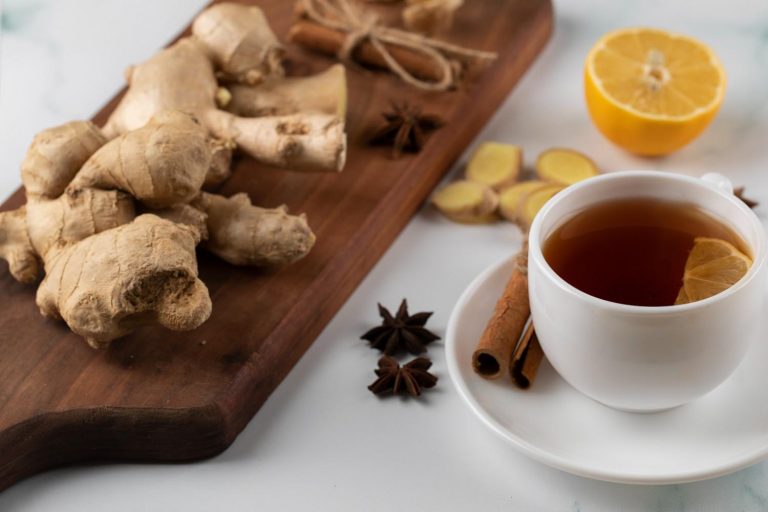
Ginger has long been celebrated for its ability to soothe nausea and promote healthy digestion. A peer-reviewed study in the World Journal of Gastroenterology highlighted ginger’s role in alleviating gastrointestinal discomfort (3).
Common Mistake: Some people might overdo it with ginger, thinking that more is better. A few slices or a small pinch of powdered ginger can be sufficient to reap the benefits without overwhelming your palate.
3. Turmeric
Turmeric, with its active compound curcumin, has gained popularity in recent years for its anti-inflammatory properties. Some believe that it can help reduce bloating and gas, making it a perfect partner for coffee.
Personal Reflection: I often add a dash of turmeric to my coffee, especially on days when I feel a bit bloated. The earthy flavor pairs surprisingly well with the coffee, and I find it comforting.
4. Cardamom
In many cultures, cardamom is a staple in both food and drink. It’s often used in traditional coffee preparations in the Middle East. Cardamom has been associated with digestive health and may help relieve gas and bloating (4).
Cultural Note: In Scandinavian countries, coffee infused with cardamom is a cherished tradition. The spice not only enhances flavor but also aids digestion, making it a perfect companion for a post-meal coffee.
5. Peppermint
Peppermint is renowned for its ability to soothe the stomach. It can help alleviate symptoms of irritable bowel syndrome (IBS) and promote overall digestive comfort.
Caveat: While peppermint can be soothing for many, some people may find it exacerbates heartburn. It’s essential to listen to your body and adjust accordingly.
Crafting the Perfect Herbal Coffee Blend
Creating your own spiced coffee blend can be a fun and rewarding experience. Here’s a simple step-by-step guide to get you started:
Step 1: Choose Your Base Coffee
Select a high-quality coffee that you enjoy. Whether you prefer light, medium, or dark roast, the choice is yours.
Step 2: Pick Your Spices
Choose one or more of the spices mentioned above. Start with small amounts; you can always add more.
Step 3: Preparation
-
For Ground Coffee: Mix your chosen spices with your coffee grounds. A good starting point is 1/4 teaspoon of spice per cup of coffee.
-
For Brewed Coffee: Brew your coffee as usual, then stir in your spices. You might need to adjust the amount based on your taste preference.
Step 4: Sweeten (Optional)
If you like your coffee sweet, consider natural sweeteners like honey or maple syrup.
Step 5: Enjoy Mindfully
As you sip, take a moment to appreciate the flavors and aromas. Notice how your body feels as you enjoy this herbal infusion.
Real-Life Examples and Anecdotes
I once had a friend who struggled with digestive issues. After trying various remedies, she decided to experiment with spiced coffee. Initially skeptical, she began adding ginger and cinnamon to her morning brew. Within a few weeks, she reported a noticeable improvement in her digestion.
Another friend from India shared how her family has been incorporating cardamom into their coffee for generations, not just for flavor but for its soothing properties. She reminisced about how her grandmother always prepared a special cardamom-infused coffee after meals to help with digestion.
Cultural Context: Coffee and Spices Around the World
Coffee is a global beverage, and its preparation varies significantly across cultures. In Turkey, coffee is often brewed with cardamom, while in Italy, a touch of cinnamon might be added to a cappuccino. Each culture brings its unique twist, often rooted in tradition and health benefits.
Historical Insight
Historically, spices were once considered more valuable than gold. They were traded across continents, not just for their flavor but for their medicinal properties. Ancient civilizations recognized the benefits of spices like ginger and cinnamon long before modern science validated their effects.
The Balance: When Coffee Isn’t Enough
While spiced coffee can be a delightful addition to your routine, it’s important to remember that it’s not a cure-all. Some individuals may experience increased acidity or discomfort from coffee, regardless of the spices added.
A Personal Observation
I’ve noticed that on days when I skip breakfast or consume too much coffee, even the most soothing spices can’t save me from discomfort. It’s a gentle reminder that balance is key. Listening to your body and adjusting your intake of coffee and spices is crucial for maintaining digestive harmony.
The Role of Hydration
Coffee can be dehydrating, especially if consumed in excess. Pairing your spiced coffee with adequate water intake can help mitigate any potential digestive issues.
FAQs
1. Can I use any spices with coffee?
While many spices can complement coffee, it’s best to start with those known for their digestive benefits, like cinnamon, ginger, and cardamom.
2. Is spiced coffee suitable for everyone?
Not everyone reacts the same way to coffee or spices. It’s essential to pay attention to how your body responds and adjust accordingly.
3. How much spice should I add to my coffee?
Start with a small amount, such as 1/4 teaspoon, and adjust based on your taste preference.
4. Can I drink spiced coffee every day?
Moderation is key. While enjoying spiced coffee regularly can be beneficial, it’s wise to listen to your body and not overdo it.
5. Are there any risks associated with drinking spiced coffee?
Some individuals may experience digestive discomfort from coffee or specific spices. It’s essential to consult a healthcare provider if you have concerns.
Reflecting on the Journey
As I reflect on my experiences with spiced coffee, I’m reminded of the beauty in exploration. The world of herbs and spices is vast, and each combination offers unique flavors and potential benefits. While science continues to uncover the mysteries of these ingredients, personal experiences often guide our choices.
In the end, finding what soothes your belly may require a bit of experimentation. Whether you’re a coffee aficionado or a casual drinker, adding herbal spices can enhance your experience and potentially improve your digestive health. So, the next time you brew a cup, consider reaching for those spices. Your belly might just thank you.
Medical Disclaimer
This article is for educational purposes only and does not replace professional medical guidance. Always speak with a qualified healthcare provider before making changes to your health routine.
References
- Journal of Agricultural and Food Chemistry. (2021). Effects of Spices on Digestive Health. Link
- Nutrition Reviews. (2020). Cinnamon and Blood Sugar Regulation. Link
- World Journal of Gastroenterology. (2018). Ginger: A Natural Remedy for Digestive Disorders. Link
- Journal of Ethnopharmacology. (2019). The Role of Cardamom in Digestive Health. Link
Get Your FREE Natural Health Guide!
Subscribe now and receive our exclusive ebook packed with natural health tips, practical wellness advice, and easy lifestyle changes, delivered straight to your inbox.