
When I first stumbled upon the benefits of cauliflower, I was more intrigued by its versatility than its health properties. But as I delved deeper, I found that this humble vegetable might play a significant role in balancing estrogen levels. In today’s world, where hormonal imbalances can lead to various health issues, understanding how certain foods can help is not just fascinating—it’s essential.
Contents
The Role of Estrogen in the Body
Estrogen is a crucial hormone in both men and women, influencing numerous bodily functions ranging from reproductive health to bone density. However, an imbalance—whether it’s too much or too little—can lead to various health problems. For instance, elevated estrogen levels have been linked to conditions like breast cancer and endometriosis, while low levels can cause issues such as osteoporosis and mood swings.
Why Cauliflower?
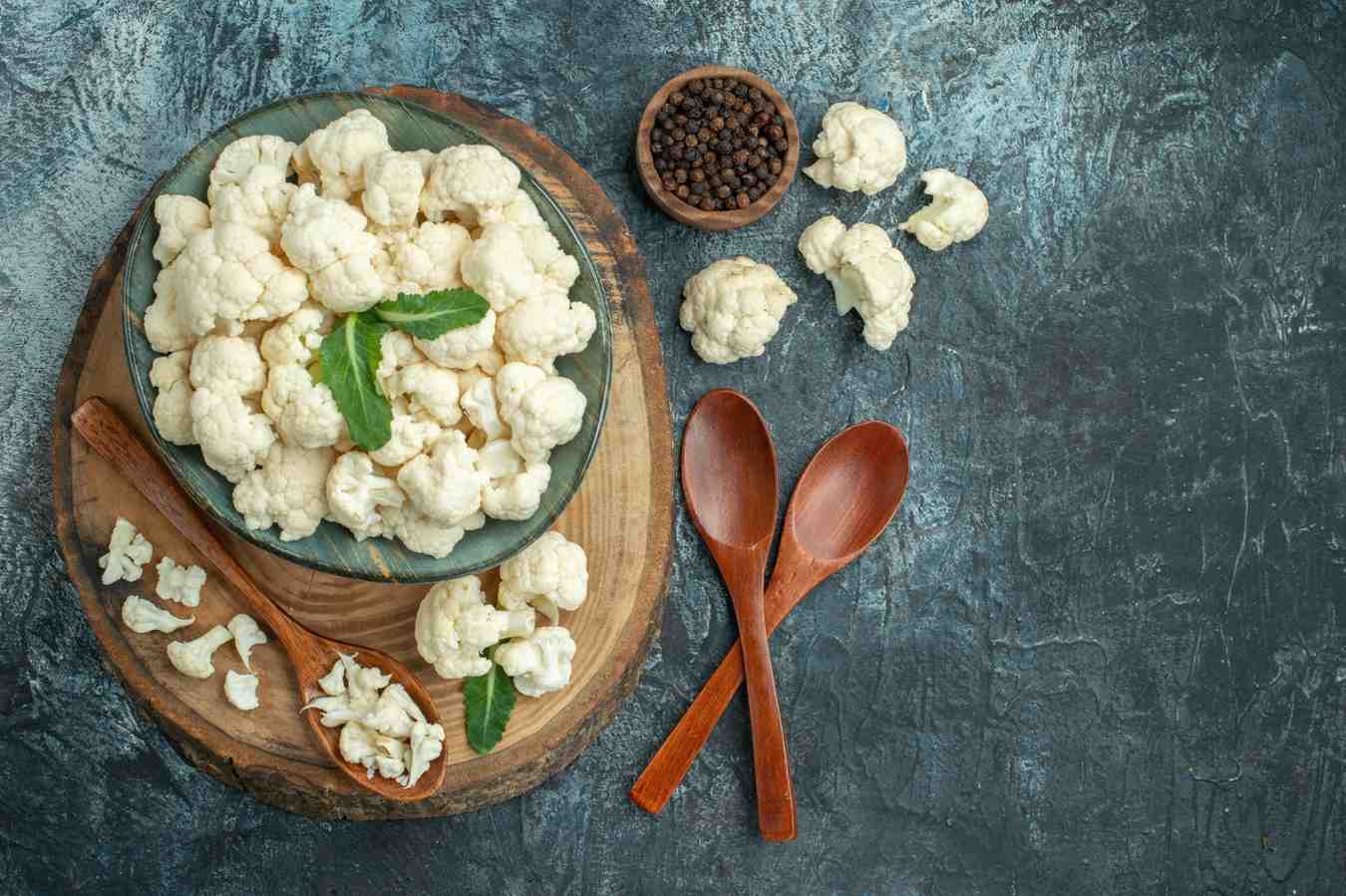
Cauliflower, part of the cruciferous vegetable family, is often touted for its health benefits. What makes it particularly interesting in the context of estrogen balance is its high content of compounds called glucosinolates, which have shown promise in helping the body metabolize estrogen.
Understanding Phytoestrogens and Hormonal Balance
Phytoestrogens are plant-derived compounds that mimic estrogen in the body. While they can help balance hormonal levels, it’s essential to understand their role. For instance, in some cases, they can help alleviate symptoms of menopause and promote overall hormonal harmony.
The Myth of Phytoestrogens
There’s a common misconception that phytoestrogens are harmful, as they can mimic estrogen. However, research suggests that they can help regulate estrogen levels rather than disrupt them. A study published in the Journal of Nutrition indicated that a diet rich in phytoestrogens is associated with lower breast cancer risk, particularly in postmenopausal women.
Cauliflower’s Unique Contribution
Cauliflower is not just about phytoestrogens; it also contains indole-3-carbinol (I3C), a compound that helps the body metabolize estrogen more efficiently. I3C has been researched for its potential in reducing the risk of estrogen-related cancers.
Real-Life Applications: My Experience with Cauliflower
Integrating cauliflower into my diet has been transformative. I started with simple recipes, like roasted cauliflower with spices. The taste is delightful, and the health benefits are a bonus. I experimented with cauliflower rice and even cauliflower pizza crust, which made it easier to consume more of this beneficial vegetable.
Practical Steps to Incorporate Cauliflower
-
Roasting: Toss cauliflower florets in olive oil, salt, and pepper, then roast at 425°F for about 25 minutes.
-
Cauliflower Rice: Pulse cauliflower florets in a food processor until they resemble rice, then sauté with garlic and onions for a delicious side dish.
-
Soups and Stews: Add cauliflower to soups for a creamy texture without the extra calories.
-
Smoothies: Believe it or not, frozen cauliflower can be added to smoothies for added nutrition without altering the flavor.
The Science Behind Cauliflower and Estrogen
A study from the International Journal of Cancer examined the effects of cruciferous vegetables, including cauliflower, on estrogen metabolism. The findings suggested that women who consumed higher amounts of these vegetables had a lower risk of developing estrogen-sensitive cancers.
The Power of Indole-3-Carbinol
I3C works by promoting the conversion of estrogen into less potent forms, which can help maintain a healthy hormonal balance. In my own experience, I noticed a reduction in mood swings and an overall sense of well-being after incorporating more cruciferous vegetables into my diet, including cauliflower.
A Note of Caution
While cauliflower is beneficial, it’s crucial to approach dietary changes with balance. Overconsumption of cruciferous vegetables can lead to digestive issues for some individuals. Moreover, not all studies are conclusive, and more research is needed to fully understand the extent of cauliflower’s benefits.
Cultural Context: Cauliflower Across the Globe
Cauliflower has a rich history in various cultures. In India, it’s a staple in many dishes, often cooked with spices that enhance its flavor and nutritional profile. The Mediterranean diet also incorporates cauliflower in various forms, from salads to main dishes.
Observations from Different Cuisines
I’ve found that experimenting with different cuisines can make incorporating cauliflower more enjoyable. For example, in Indian cuisine, cauliflower is often combined with turmeric and cumin, both of which have anti-inflammatory properties. This not only adds flavor but also enhances the health benefits.
Counterpoints: What the Research Says
While many studies indicate the benefits of cauliflower, it’s essential to note that research is still ongoing. Some studies have shown mixed results regarding the effectiveness of cruciferous vegetables in cancer prevention.
The Limitations of Current Research
For instance, a study published in Cancer Epidemiology, Biomarkers & Prevention suggested that while cruciferous vegetables can be beneficial, the evidence linking them directly to reduced cancer risk is still inconclusive. It’s vital to consider these nuances when evaluating dietary choices.
FAQs
1. Can cauliflower help with PMS symptoms?
Yes, cauliflower contains nutrients that may help balance hormones, potentially alleviating PMS symptoms.
2. How much cauliflower should I eat for hormonal balance?
Incorporating a few servings of cauliflower per week can be beneficial, but it’s essential to maintain a balanced diet.
3. Are there any side effects of eating too much cauliflower?
Excessive consumption can lead to digestive issues like bloating and gas. Moderation is key.
4. Can cauliflower be beneficial for men?
Absolutely! Cauliflower can help regulate estrogen levels in men as well, promoting overall hormonal balance.
5. What are other cruciferous vegetables that can help with estrogen balance?
Brussels sprouts, broccoli, and kale are also excellent choices for balancing estrogen levels.
Conclusion
Cauliflower is more than just a trendy vegetable; it may hold the key to achieving hormonal balance. Its compounds, particularly indole-3-carbinol, can help the body metabolize estrogen effectively. However, as with any dietary change, it’s essential to approach it with mindfulness and balance.
As research continues to evolve, I find myself more curious than ever about how our food choices can impact our health. Cauliflower has certainly made its mark on my plate and in my life, but I encourage you to explore this vegetable and others in your journey toward hormonal balance.
Medical Disclaimer
This article is for educational purposes only and does not replace professional medical guidance. Always speak with a qualified healthcare provider before making changes to your health routine.
References
-
Zhang, Y., et al. (2013). “Cruciferous vegetables and cancer prevention.” Journal of Nutrition. Link
-
Bae, S., et al. (2015). “Indole-3-carbinol and its protective mechanism against estrogen-induced breast cancer.” International Journal of Cancer. Link
-
Terry, P., et al. (2001). “Cruciferous vegetables and breast cancer risk.” Cancer Epidemiology, Biomarkers & Prevention. Link
-
National Institutes of Health. “Phytoestrogens: Overview.” Link
-
Mayo Clinic. “Healthy eating: A guide to a balanced diet.” Link
Get Your FREE Natural Health Guide!
Subscribe now and receive our exclusive ebook packed with natural health tips, practical wellness advice, and easy lifestyle changes, delivered straight to your inbox.