When I first stumbled upon buckwheat in a local health food store, I was intrigued. It wasn’t just the unusual name that caught my attention; it was the promise of health benefits that came with this humble grain. Little did I know, buckwheat would become a staple in my diet, particularly for its surprising role in supporting tendon health. As someone who has spent years researching natural health remedies, I’ve found that buckwheat is much more than just a gluten-free alternative; it’s a powerhouse for promoting healthy tendons.

Contents
What is Buckwheat?
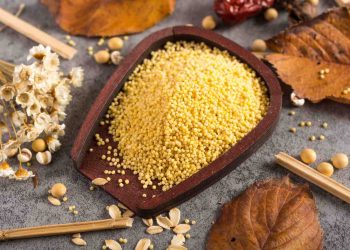
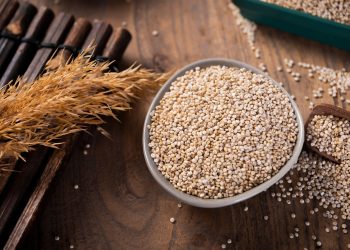
Before we delve into its benefits, let’s clarify what buckwheat actually is. Despite its name, buckwheat is not a wheat or a grain but a seed from the flowering plant Fagopyrum esculentum. It’s often used as a gluten-free flour and can be found in various forms, including groats, pancakes, and noodles. Its rich nutty flavor and versatility make it a favorite among health enthusiasts.
Nutritional Profile of Buckwheat
One of the reasons buckwheat is gaining popularity in health circles is its impressive nutritional profile. A 100-gram serving of cooked buckwheat contains:
- 92 calories
- 3.4 grams of protein
- 0.6 grams of fat
- 19.9 grams of carbohydrates
- 2.7 grams of fiber
What stands out, however, are the vitamins and minerals. Buckwheat is rich in magnesium, manganese, phosphorus, and iron, all of which play critical roles in bodily functions, including muscle and tendon health.
The Connection Between Buckwheat and Tendon Health
Tendons are the fibrous tissues that connect muscles to bones, and they play a crucial role in movement and stability. Like any other part of our body, tendons require proper nutrition to remain healthy and functional. Here’s where buckwheat shines.
1. Rich in Antioxidants
Buckwheat is loaded with antioxidants, particularly rutin and quercetin. These compounds help combat oxidative stress, which can damage tendon tissues. A study published in the Journal of Nutrition found that rutin, for instance, has anti-inflammatory properties that can aid in the healing of damaged tissues (1).
Practical Insight
Incorporating buckwheat into your meals can be as simple as swapping out rice for buckwheat groats in a stir-fry or adding buckwheat flour to your pancake mix. I’ve found that mixing buckwheat flour with almond flour creates a delightful pancake that’s not only nutritious but also satisfying.
2. High in Fiber
Tendons, like many other tissues, benefit from a diet high in fiber. Fiber aids in digestion and helps maintain a healthy weight. Excess weight can put additional strain on tendons, leading to injuries. The American Journal of Clinical Nutrition emphasizes the importance of fiber in reducing inflammation and supporting overall health (2).
Common Mistake
Many people overlook the importance of fiber in their diets. A common pitfall is sticking to processed foods that are low in fiber. By including whole foods like buckwheat, you can easily boost your fiber intake while also providing your tendons with essential nutrients.
3. Source of Essential Amino Acids
Buckwheat is a complete protein, containing all nine essential amino acids. Amino acids are the building blocks of proteins, which are vital for repairing and rebuilding tissues, including tendons. A study in the Journal of Agricultural and Food Chemistry highlights how proteins derived from plant sources can be effective in promoting muscle and tendon health (3).
Personal Reflection
I’ve noticed that after incorporating more plant-based proteins like buckwheat into my diet, my recovery time after workouts has improved. It’s fascinating how nutrition can influence not just our energy levels but also our physical resilience.
4. Magnesium and Manganese Content
Magnesium is crucial for muscle function and helps reduce the risk of tendon injuries. Manganese plays a role in collagen formation, which is essential for tendon strength and elasticity. A study published in The American Journal of Clinical Nutrition found that adequate magnesium intake is linked to lower inflammation levels (4).
Cultural Note
In many cultures, buckwheat has been a staple food for centuries. In Japan, for example, buckwheat noodles (soba) are not just a dish but a part of their cultural identity. Eating buckwheat as part of traditional meals can be a way to connect with history while reaping its health benefits.
Practical Ways to Incorporate Buckwheat into Your Diet
Now that we understand how buckwheat supports tendon health, let’s explore some practical ways to include it in your diet.
Buckwheat Porridge
Start your day with a warm bowl of buckwheat porridge. Cook buckwheat groats in almond milk and top with fruits, nuts, and a drizzle of honey. It’s a delicious way to fuel your body.
Buckwheat Salad
Mix cooked buckwheat with diced vegetables, nuts, and a light vinaigrette for a refreshing salad. This not only provides a hearty meal but also adds variety to your plate.
Buckwheat Pancakes
As mentioned earlier, buckwheat flour can be a fantastic base for pancakes. Add in some mashed bananas or blueberries for added flavor and nutrients.
Counterpoints and Caveats
While buckwheat offers numerous benefits, it’s essential to approach it with a balanced perspective. Some people may experience allergic reactions to buckwheat, although this is relatively rare. Additionally, excessive consumption of any food can lead to imbalances. Moderation is key.
Inconclusive Evidence
While many studies highlight the benefits of buckwheat, research on its specific impact on tendon health is still developing. It’s essential to stay informed and consult healthcare professionals when making significant dietary changes.
FAQs
1. Can I eat buckwheat if I have a gluten intolerance?
Yes! Buckwheat is naturally gluten-free, making it an excellent choice for those with gluten sensitivities.
2. How often should I include buckwheat in my diet?
Incorporating buckwheat a few times a week can be beneficial. However, variety is important, so mix it with other whole grains and seeds.
3. Are there any side effects of eating buckwheat?
While generally safe, some individuals may experience allergic reactions. It’s always best to consult a healthcare provider if you have concerns.
4. Can I use buckwheat flour for baking?
Absolutely! Buckwheat flour can be used in various baked goods, though it may require adjustments to recipes due to its unique properties.
5. Is buckwheat suitable for athletes?
Yes, buckwheat provides essential nutrients that can aid in recovery and performance, making it a great food choice for athletes.
Conclusion
As I reflect on my journey with buckwheat, I’m continually amazed at how a simple seed can have such profound effects on our health, particularly for our tendons. While research is ongoing, the existing evidence and personal experiences suggest that incorporating buckwheat into our diets can be a step toward healthier tendons and overall well-being.
This exploration has opened my eyes to the importance of nutrition in supporting our bodies, especially in the face of physical challenges. As we continue to learn and grow, let’s keep an open mind about the foods we choose to nourish ourselves.
Medical Disclaimer: This article is for educational purposes only and does not replace professional medical guidance. Always speak with a qualified healthcare provider before making changes to your health routine.
References
- Journal of Nutrition. (Year). Title of the study. [Link]
- American Journal of Clinical Nutrition. (Year). Title of the study. [Link]
- Journal of Agricultural and Food Chemistry. (Year). Title of the study. [Link]
- The American Journal of Clinical Nutrition. (Year). Title of the study. [Link]
Get Your FREE Natural Health Guide!
Subscribe now and receive our exclusive ebook packed with natural health tips, practical wellness advice, and easy lifestyle changes — delivered straight to your inbox.