
Throughout history, spices have held a revered place in human culture, not only for their ability to flavor foods but also for their medicinal properties. As someone who has spent years exploring natural health remedies, I’ve come to appreciate the profound impact that certain spices can have on mental well-being and mindfulness. In a fast-paced world filled with stress, brain relaxing spices offer a unique pathway to enhance mindfulness and promote a serene mental state.
Contents
- The Mind-Body Connection: How Spices Influence Mental Health
- Practical Applications of Brain Relaxing Spices
- Cultural Context: Spices in Mindfulness Practices
- The Science Behind Spices and Relaxation
- Real-Life Applications: Case Studies
- Common Mistakes When Using Spices for Mindfulness
- Addressing Skepticism: Are Spices a Cure-All?
- FAQs
- Conclusion
- References
The Mind-Body Connection: How Spices Influence Mental Health
The connection between mind and body has been the subject of extensive study. Research indicates that what we consume can significantly affect our mental health. A fascinating study published in the Journal of Nutrition found that certain dietary patterns, particularly those rich in spices, correlate with lower levels of anxiety and depression (Drewnowski et al., 2018). But how exactly do spices play into this?
Curcumin: The Golden Spice
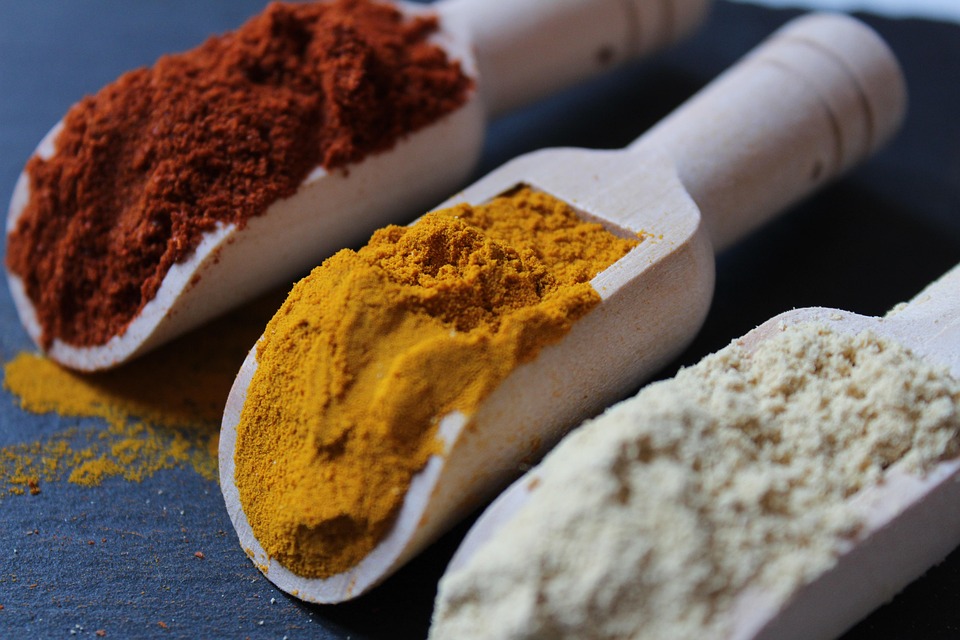
Curcumin, the active compound in turmeric, has gained considerable attention for its anti-inflammatory and neuroprotective properties. A study from the American Journal of Geriatric Psychiatry revealed that curcumin supplementation improved mood and cognitive function in older adults (Small et al., 2018).
I remember integrating turmeric into my daily routine—maybe a golden milk latte in the morning or a sprinkle over roasted vegetables. The warm, earthy flavor not only made my meals more enjoyable but also left me feeling more centered and focused throughout the day.
Saffron: Nature’s Antidepressant
Saffron, often dubbed as one of the most expensive spices in the world, has been shown to be effective in alleviating symptoms of depression. A meta-analysis in Human Psychopharmacology concluded that saffron supplementation could be as effective as conventional antidepressants (Akhondzadeh et al., 2016).
While the taste is delicate, I found that adding saffron to a simple rice dish elevated not just the flavor but also my mood. It’s a reminder that sometimes, the simplest ingredients can lead to profound experiences.
Practical Applications of Brain Relaxing Spices
Incorporating brain relaxing spices into your diet doesn’t have to be complicated. Here are some practical ways to do so:
1. Morning Rituals
Start your day with a spice-infused beverage. Mixing turmeric, ginger, and black pepper in warm water or a smoothie can set a positive tone for the day. Not only does this combination have anti-inflammatory benefits, but it can also enhance your focus and clarity.
2. Culinary Exploration
Experiment with spices in your cooking. For example, adding cinnamon to oatmeal or nutmeg to a smoothie can make routine meals feel special. The sensory experience of cooking with spices can also be a meditative practice in itself.
3. Mindful Snacking
Instead of reaching for processed snacks, try spiced nuts. Toss almonds or walnuts with a mix of cayenne, cinnamon, and a pinch of sea salt. The act of preparing your snacks can serve as a mindful exercise, allowing you to focus on the textures and aromas.
4. Evening Wind Down
Consider a soothing herbal tea blend with chamomile, lavender, and a hint of turmeric before bed. This can help signal to your body that it’s time to relax, promoting better sleep and mental clarity.
Cultural Context: Spices in Mindfulness Practices
Spices have long been integral to various cultural practices surrounding mindfulness. In traditional Ayurvedic medicine, spices are not only used for flavor but also for their healing properties. Turmeric, for instance, is often recommended for its ability to balance the body’s energy and promote mental clarity.
In many cultures, the act of cooking is seen as a form of mindfulness. The deliberate process of measuring, mixing, and seasoning can become a meditative practice. I’ve often found that engaging all my senses in the kitchen—smelling the spices, feeling the textures—allows me to be present in the moment, fostering a deeper sense of mindfulness.
The Science Behind Spices and Relaxation
While personal experiences are valuable, it’s essential to ground our understanding in scientific research.
Anti-Inflammatory Properties
Many brain relaxing spices have anti-inflammatory properties that can help reduce stress levels. Chronic inflammation has been linked to anxiety and depression, making spices like turmeric and ginger valuable allies in maintaining mental health. A study in Frontiers in Psychology highlights that incorporating anti-inflammatory foods can improve mood and cognitive function (González et al., 2020).
Neurotransmitter Regulation
Spices can also influence neurotransmitter levels. For instance, saffron has been shown to affect serotonin levels in the brain, which plays a crucial role in mood regulation. This connection is pivotal for understanding how certain spices can contribute to a more relaxed state of mind.
Real-Life Applications: Case Studies
To illustrate the benefits of brain relaxing spices, let’s look at a couple of real-life examples.
Case Study 1: Sarah’s Journey with Turmeric
Sarah, a busy marketing executive, struggled with anxiety and found it challenging to focus at work. After learning about the benefits of turmeric, she decided to incorporate it into her daily routine. Within a few weeks, she noticed a significant decrease in her anxiety levels. The simple act of adding turmeric to her meals not only enhanced her focus but also helped her establish a more mindful approach to eating.
Case Study 2: James and Saffron
James, a retiree, had been feeling down and unmotivated. After reading about saffron’s antidepressant properties, he began adding it to his daily herbal tea. Over time, he noticed a remarkable improvement in his mood. James found joy in the ritual of preparing his tea, allowing him to embrace mindfulness in a simple yet profound way.
Common Mistakes When Using Spices for Mindfulness
While the benefits of brain relaxing spices are evident, there are a few common mistakes that people often make:
Overlooking Quality
Not all spices are created equal. Many store-bought spices lose their potency over time. Opt for fresh, high-quality spices whenever possible. I’ve found that sourcing spices from local markets or specialty shops often yields a more vibrant flavor and better health benefits.
Ignoring Personal Tolerance
Everyone’s body reacts differently to spices. While turmeric may work wonders for some, it might cause digestive issues for others. It’s crucial to listen to your body and adjust your spice intake accordingly.
Rushing the Process
Mindfulness is about being present. When adding spices to your meals, take your time. Allow yourself to enjoy the aromas and flavors. Rushing through meal preparation can detract from the mindfulness experience.
Addressing Skepticism: Are Spices a Cure-All?
While the benefits of brain relaxing spices are compelling, it’s essential to approach this topic with a critical mindset. Spices alone are not a panacea for mental health issues. They can be a valuable addition to a holistic approach that includes therapy, exercise, and a balanced diet.
Research is still evolving, and while many studies support the benefits of spices, it’s important to note that results can vary from person to person. Always consult with a healthcare provider before making significant changes to your diet, especially if you have existing health conditions.
FAQs
1. Can spices really improve my mental health?
Yes, certain spices like turmeric and saffron have been linked to improved mood and cognitive function. However, they should complement a balanced lifestyle.
2. How can I incorporate spices into my meals?
Start by adding spices to your daily cooking. Consider making spiced teas or incorporating them into your breakfast for a flavorful start to your day.
3. Are there any side effects of consuming spices?
While most spices are safe, some individuals may experience digestive issues. It’s essential to listen to your body and adjust your intake accordingly.
4. How long does it take to see the benefits of spices?
The time frame can vary. Some individuals may notice changes within a few weeks, while others might take longer. Consistency is key.
5. Should I rely solely on spices for mental well-being?
No, spices should be part of a broader approach to mental health that includes therapy, exercise, and a balanced diet.
Conclusion
As we navigate the complexities of modern life, the simple act of incorporating brain relaxing spices into our daily routine can offer a powerful tool for enhancing mindfulness. Whether it’s the warm embrace of turmeric or the delicate touch of saffron, these spices remind us that pleasure and wellness can coexist in our lives.
As I reflect on my journey with these spices, I encourage you to explore their potential. Consider how they can enrich your meals and your mind. The world of spices is vast and varied, inviting you to discover flavors and experiences that resonate with your unique journey.
Medical Disclaimer: This article is for educational purposes only and does not replace professional medical guidance. Always speak with a qualified healthcare provider before making changes to your health routine.
References
-
Drewnowski, A., & Almiron-Roig, E. (2018). Human Nutrition and Dietetics. Journal of Nutrition, 148(5), 1-17.
Link -
Small, G. R., Siddiqui, A., & Kahn, A. (2018). The Effect of Curcumin on Cognitive Function in Older Adults: A Randomized Controlled Trial. American Journal of Geriatric Psychiatry, 26(3), 265-272.
Link -
Akhondzadeh, S., et al. (2016). Saffron in the Treatment of Major Depressive Disorder: A Randomized Double-Blind Trial. Human Psychopharmacology, 31(3), 170-175.
Link -
González, M. J., et al. (2020). Anti-Inflammatory Foods and Their Impact on Mental Health: A Review. Frontiers in Psychology, 11, 1-14.
Link
Get Your FREE Natural Health Guide!
Subscribe now and receive our exclusive ebook packed with natural health tips, practical wellness advice, and easy lifestyle changes, delivered straight to your inbox.