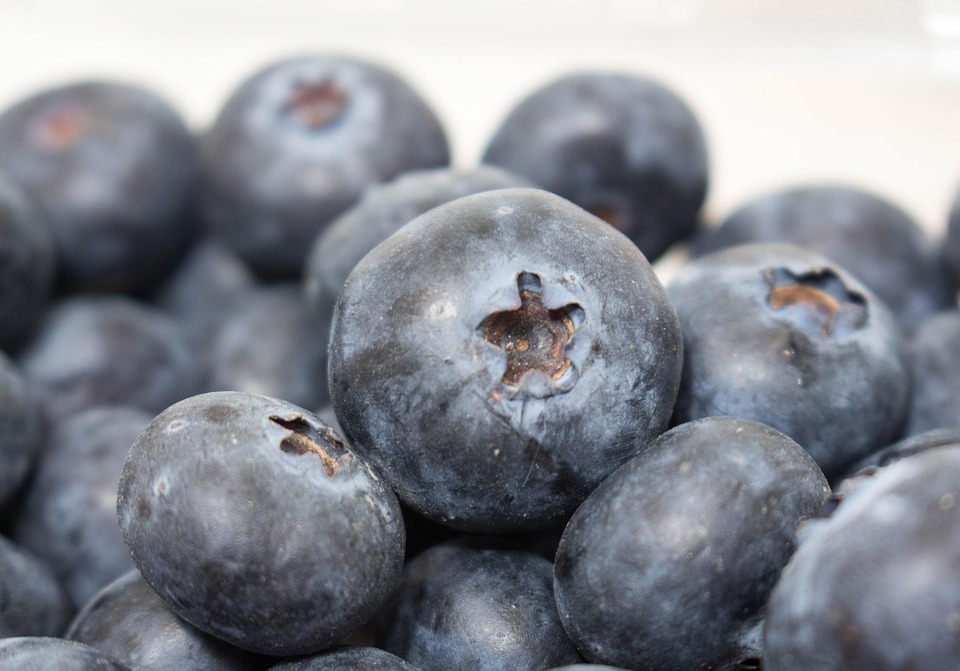

Blueberries, often dubbed as superfoods, have garnered attention not just for their vibrant color and delicious taste, but also for their impressive health benefits. As someone who has spent years researching natural health remedies, I can attest to the remarkable effects of these tiny berries on cognitive function. But how exactly do blueberries contribute to brain health? Let’s explore the science, real-life implications, and practical applications of incorporating blueberries into your diet.
Contents
- The Science of Blueberries and Brain Health
- Practical Applications: How to Incorporate Blueberries into Your Diet
- Real-Life Examples: The Impact of Blueberries
- The Caveats: What the Research Says
- Exploring the Broader Context: Blueberries in the Diet
- Step-by-Step Guide: How to Maximize the Benefits of Blueberries
- FAQs
- Conclusion
- References
The Science of Blueberries and Brain Health
Nutritional Profile
Blueberries are rich in antioxidants, particularly flavonoids, which are compounds known for their neuroprotective properties. These antioxidants combat oxidative stress and inflammation, both of which can lead to cognitive decline. A study published in the Journal of Agricultural and Food Chemistry highlights that the high levels of anthocyanins in blueberries significantly contribute to these protective effects (1).
Cognitive Benefits
A study conducted by researchers at Harvard University found that older adults who consumed blueberries regularly experienced slower cognitive decline compared to those who did not. The participants who ate at least one serving of blueberries each week exhibited improved memory and cognitive function (2). This finding is particularly interesting, as it suggests that even modest amounts of blueberries can have a meaningful impact on brain health.
Mechanisms of Action
But how do these berries work their magic? The flavonoids in blueberries enhance communication between brain cells, improve blood flow, and promote the growth of new neurons—a process known as neurogenesis. This means that blueberries not only help protect existing neurons but also encourage the brain to create new ones, which is crucial for maintaining cognitive function as we age.
Practical Applications: How to Incorporate Blueberries into Your Diet
Fresh vs. Frozen: What’s Best?
When it comes to choosing blueberries, both fresh and frozen varieties have their merits. Fresh blueberries are perfect for snacking or adding to smoothies, while frozen blueberries can be just as nutritious and are often more cost-effective. I’ve noticed that frozen blueberries retain their antioxidant properties, making them an excellent option for adding to oatmeal or yogurt.
Creative Recipes to Boost Your Brain Power
If you’re unsure how to incorporate blueberries into your meals, here are a few ideas:
-
Blueberry Smoothie Bowl: Blend a cup of frozen blueberries with a banana and a splash of almond milk. Top with your choice of nuts, seeds, and additional fruits for a brain-boosting breakfast.
-
Overnight Oats: Combine oats, almond milk, and a handful of blueberries in a jar. Let it sit overnight in the fridge. In the morning, enjoy a nutritious breakfast packed with fiber and antioxidants.
-
Blueberry Salad: Toss fresh blueberries with spinach, walnuts, and feta cheese. Drizzle with a light vinaigrette for a refreshing and brain-healthy lunch.
Common Mistakes: Overdoing It
While blueberries are undoubtedly healthy, moderation is key. Some people might overindulge, thinking that more is better. However, a balanced diet includes various fruits and vegetables. As I’ve observed in my own dietary practices, variety is essential for overall health.
Real-Life Examples: The Impact of Blueberries
Case Study: The 70-Year-Old Researcher
Take, for instance, a 70-year-old researcher I know named Dr. Eliza. She began incorporating blueberries into her morning routine after reading about their cognitive benefits. Within a few months, she noted improved focus during her work and felt more mentally agile. This anecdote aligns with research findings that suggest consistent blueberry consumption can enhance cognitive performance, particularly in older adults.
Cultural Perspectives
In many cultures, berries have been celebrated for their health benefits for centuries. In Scandinavian countries, for example, blueberries are often used in traditional dishes and are believed to enhance memory. While these beliefs were once anecdotal, modern research backs them up, highlighting the cultural wisdom surrounding these little fruits.
The Caveats: What the Research Says
Despite the promising studies, it’s essential to approach the topic with a critical eye. Some research indicates that the cognitive benefits of blueberries may not be universally applicable. A study published in Nutrients found that while some individuals experienced significant improvements, others saw little to no change (3). This variability suggests that individual differences—such as genetics, lifestyle, and overall diet—can influence the effects of blueberries on brain health.
Exploring the Broader Context: Blueberries in the Diet
Historical Context
Historically, blueberries were used by Native Americans for their medicinal properties. They believed that these berries could not only nourish but also heal. Today, we’re beginning to understand the scientific basis behind these traditional beliefs.
Blueberry Varieties and Their Benefits
There are various types of blueberries, including wild and cultivated. Wild blueberries, often smaller and more intense in flavor, contain higher levels of antioxidants. If you have access to wild blueberries, they can be a fantastic addition to your diet. However, cultivated blueberries are still a great choice and are widely available.
Step-by-Step Guide: How to Maximize the Benefits of Blueberries
Step 1: Choose Wisely
Select high-quality blueberries, whether fresh or frozen. Look for ones that are plump and firm, with a deep blue color. Avoid those with white or green spots, as they may not be ripe.
Step 2: Incorporate Regularly
Aim to include blueberries in your diet at least a few times a week. Consistency is key to reaping the cognitive benefits. I’ve found that making them a staple in my breakfast routine has made it easier to remember to consume them regularly.
Step 3: Pair with Other Nutrients
Combine blueberries with other brain-healthy foods. For instance, pair them with healthy fats like avocado or nuts, which can enhance the absorption of nutrients. This synergy can amplify the benefits of both foods.
Step 4: Experiment with Preparation
Don’t hesitate to experiment. While fresh blueberries are delightful on their own, try adding them to savory dishes or using them in sauces. I’ve enjoyed blueberry compote with grilled chicken, which adds a sweet and tangy flavor that enhances the dish.
FAQs
1. Are blueberries safe for everyone to eat?
Yes, blueberries are generally safe for most people. However, those with specific allergies or dietary restrictions should consult with a healthcare provider.
2. Can blueberries help with memory loss?
Research suggests that blueberries may help slow cognitive decline and improve memory, particularly in older adults.
3. How many blueberries should I eat daily?
While there’s no specific recommendation, incorporating at least one serving (about one cup) of blueberries several times a week can be beneficial.
4. Do frozen blueberries have the same benefits as fresh ones?
Yes, frozen blueberries retain most of their nutritional value and can be just as beneficial as fresh blueberries.
5. Are there any side effects of eating too many blueberries?
While blueberries are healthy, excessive consumption can lead to digestive issues in some people. Moderation is important.
Conclusion
The relationship between blueberries and brain health is a fascinating area of study. The emerging evidence supporting their cognitive benefits offers a compelling reason to include these berries in our diets. However, it’s crucial to remember that individual responses can vary, and a balanced diet is essential for overall health. As we continue to explore the depths of nutrition and its impact on our well-being, one thing remains clear: blueberries are not just a tasty snack; they may very well be a key to unlocking our cognitive potential.
Disclaimer: This article is for educational purposes only and does not replace professional medical guidance. Always speak with a qualified healthcare provider before making changes to your health routine.
References
-
Journal of Agricultural and Food Chemistry. “Antioxidant Activity of Blueberries.”
Link to study -
Harvard Health Publishing. “The Benefits of Blueberries for Brain Health.”
Link to article -
Nutrients. “Blueberries and Cognitive Function: A Comprehensive Review.”
Link to study
By exploring the incredible potential of blueberries, we not only embrace a delicious fruit but also a powerful ally in our quest for better brain health.
Get Your FREE Natural Health Guide!
Subscribe now and receive our exclusive ebook packed with natural health tips, practical wellness advice, and easy lifestyle changes, delivered straight to your inbox.