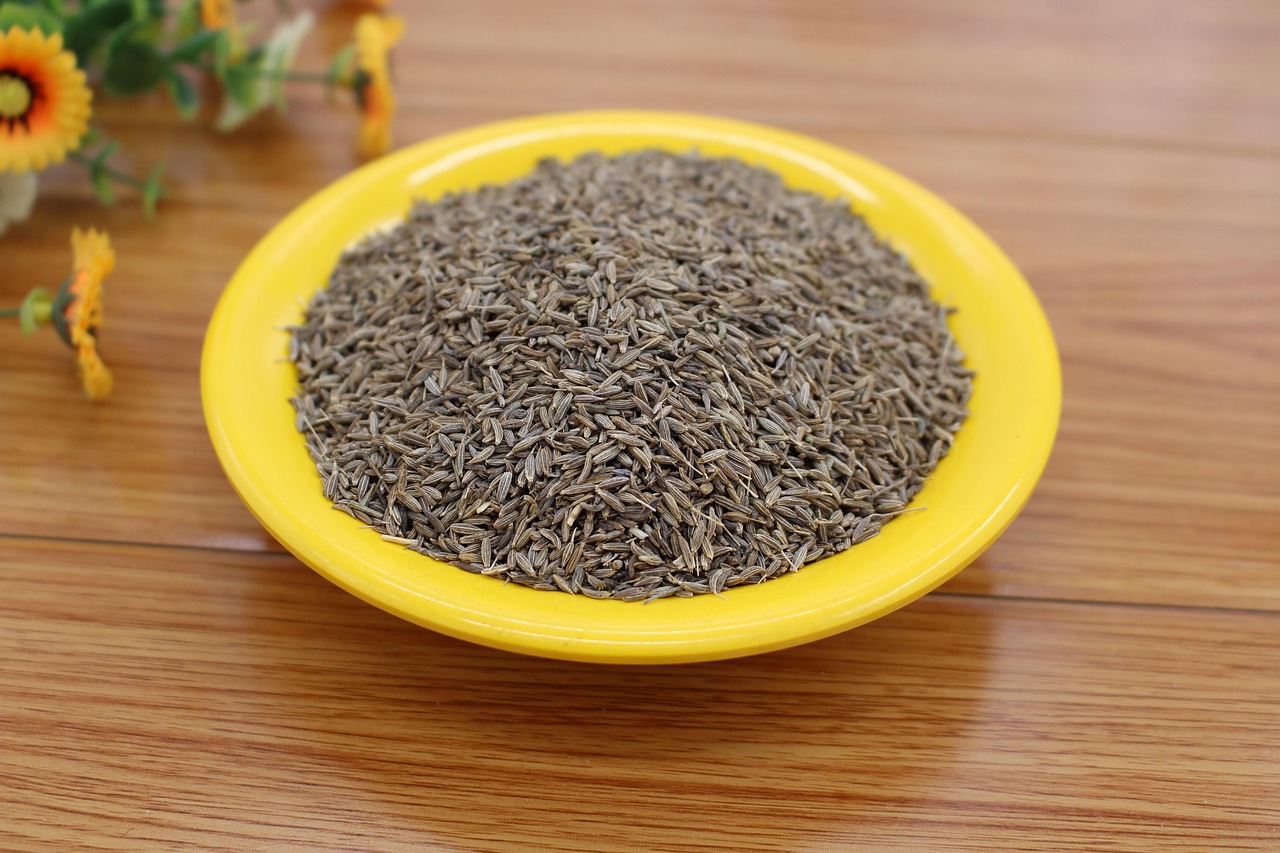

Cumin, a spice often associated with culinary traditions, does more than enhance flavor. Its potential benefits for bone mineral health have garnered attention in recent years. Many individuals face bone density issues, especially as they age. A diet rich in specific nutrients can help maintain and improve bone health. Cumin emerges as a valuable ally in this quest, offering unique compounds that support bone strength and mineralization.
The increasing prevalence of osteoporosis and other bone-related conditions highlights the need for preventive measures. Traditional approaches often focus on calcium and vitamin D. However, incorporating cumin into the diet can provide additional support. This spice is not just a flavorful addition but a nutritional powerhouse.
Understanding how cumin affects bone health requires a closer examination of its bioactive compounds. These compounds can influence calcium absorption and bone mineralization. Integrating cumin into daily meals can be both a preventative and a therapeutic strategy for maintaining bone integrity.
This guide delves deep into cumin’s role in supporting bone mineral health. It will cover practical applications, scientific insights, common mistakes, and lifestyle considerations to maximize its benefits.
Contents
How to Use Cumin for Real Results
- Best Form: Ground cumin or cumin seeds
- Best Time: During meals
- Expected Result: Enhanced calcium absorption and improved bone density
For Daily Protection
The preparation starts with gathering ground cumin, olive oil, and your choice of vegetables. A simple sauté of vegetables can effectively incorporate cumin into your diet. Use one tablespoon of ground cumin and a tablespoon of olive oil for added healthy fats.
Begin by heating the olive oil in a pan over medium heat. Add chopped vegetables like spinach and bell peppers. Sprinkle the ground cumin over the vegetables as they cook. Stir frequently for about five minutes until the vegetables are tender yet crisp.
As you savor the dish, a warm, earthy flavor envelops your palate. The aroma of cumin fills the air, providing a comforting sensation. This dish not only nourishes but also enhances your bone health over time.
Pro Tip: Pair with a source of vitamin D, like salmon, for optimal calcium absorption.
Targeting Acute Pain
Prepare a soothing cumin tea by using whole cumin seeds, water, and honey. Start with one teaspoon of cumin seeds and two cups of water.
Boil the water in a saucepan. Once boiling, add the cumin seeds and let them simmer for about ten minutes. Strain the seeds and add honey for sweetness.
Sipping this tea delivers a warm sensation that spreads throughout your body. The anti-inflammatory properties of cumin can help alleviate discomfort, supporting overall bone health.
Pro Tip: Drink this tea twice daily for maximum benefits, especially during colder months.
The Nighttime Routine
Create a calming bedtime drink using warm milk, ground cumin, and a pinch of turmeric. Gather one cup of milk, half a teaspoon of ground cumin, and a pinch of turmeric.
Heat the milk in a saucepan until warm but not boiling. Stir in the cumin and turmeric until well combined. Pour into a mug and enjoy.
The warmth of the milk combined with cumin creates a soothing effect. This drink can help promote restful sleep while contributing to bone mineral health.
Pro Tip: Consuming this drink about an hour before bed can enhance its calming effects.
Avoiding Common Errors in Cumin Use
Using Low-Quality Herbs
Opting for low-quality cumin can diminish its health benefits. Many commercially available cumin products may contain additives or lack potency. This can lead to ineffective results in supporting bone health.
Always choose organic or high-quality cumin. Look for reputable brands that provide transparency about their sourcing. Freshness plays a crucial role in the efficacy of cumin’s bioactive compounds.
Ignoring Dosage Guidelines
Overconsumption of cumin can lead to digestive discomfort. While it is beneficial in moderate amounts, excessive use can cause side effects such as bloating or heartburn.
Stick to recommended amounts, usually around one to two teaspoons daily. This ensures you enjoy the benefits without adverse effects.
Neglecting Other Nutritional Factors
Focusing solely on cumin without considering other nutrients can limit its effectiveness. Bone health relies on a combination of calcium, vitamin D, and magnesium.
Incorporate a balanced diet rich in these nutrients alongside cumin. This holistic approach will optimize your bone mineral health, enhancing the benefits of cumin.
The Mechanisms Behind Cumin’s Benefits
Cumin’s role in bone health is attributed to its biological mechanisms. The spice contains compounds that enhance the absorption of essential minerals in the body. These compounds facilitate the transportation of calcium to the bones, promoting mineralization.
The key compound in cumin is cuminaldehyde, which has been shown to exhibit anti-inflammatory properties. This compound can help reduce bone resorption, a process where bone density decreases. By minimizing inflammation, cumin supports overall bone integrity.
Clinical studies have shown promising results regarding cumin’s impact on bone health. Research indicates that incorporating cumin into the diet can enhance calcium absorption and improve bone density. For further details, refer to this PubMed search for relevant studies.
Choosing the Right Product
- Potency: Look for cumin that specifies its active compounds. Higher potency ensures more significant health benefits.
- Purity: Choose organic cumin to avoid pesticides and additives. Pure products are more effective and healthier.
- Form: Ground cumin is convenient, but whole seeds retain freshness longer. Whole seeds can be ground as needed for maximum flavor and benefits.
Benefits and Risks
| The Benefits | Potential Downsides |
|---|---|
| Enhances calcium absorption | May cause digestive discomfort if overconsumed |
| Anti-inflammatory properties | Quality can vary significantly |
| Rich in antioxidants | Possible interactions with certain medications |
Habits to Enhance Benefits
Engaging in weight-bearing exercises can complement cumin’s benefits for bone health. Activities like walking or strength training stimulate bone formation and increase density.
Maintaining a balanced diet rich in vitamins and minerals is crucial. Incorporate foods high in calcium and magnesium to provide the necessary nutrients for strong bones.
Who Should Avoid This?
– Individuals with cumin allergies
– Pregnant women should consult healthcare providers
– People on anticoagulant medications
– Those with gastrointestinal disorders may experience sensitivity
Common Questions
How much cumin should I consume daily?
One to two teaspoons daily is generally recommended for optimal benefits without side effects.
Can cumin be used in cooking?
Yes, cumin can be easily incorporated into various dishes to enhance flavor and health benefits.
Are there any side effects of cumin?
Excessive consumption can lead to digestive issues such as heartburn or bloating.
Can cumin help with bone density?
Research suggests that cumin can support calcium absorption, contributing to improved bone density.
The Bottom Line
Incorporating cumin into your diet can support bone mineral health effectively.
- The Truth: Cumin is beneficial but should not be the sole focus for bone health.
- The Strategy: Use cumin during meals for enhanced calcium absorption.
- The Next Step: Combine cumin with a balanced diet rich in essential nutrients.
Get Your FREE Natural Health Guide!
Subscribe now and receive our exclusive ebook packed with natural health tips, practical wellness advice, and easy lifestyle changes, delivered straight to your inbox.