I often reflect on how the most common ingredients in my kitchen pantry carry hidden stories that go far beyond simple flavor profiles. My interest in botanical wellness started with a desire to move away from complex supplement stacks toward more foundational, earth-based nutrition. Watching the trends in wellness media, I see many people questioning whether simple roots can truly influence male hormone balance. I have spent significant time parsing the available research to see where the science stands on ginger root for testosterone support.
Many individuals seek natural ways to manage their physical vitality by focusing on what they consume daily. When I evaluate the data on common culinary items, I pay close attention to how specific compounds interact with the body’s natural signaling processes. My research into ginger indicates that while it is not a direct replacement for clinical interventions, it plays a supportive role in overall wellness and metabolic efficiency.
Ginger root for testosterone support appears to be a helpful dietary addition for individuals looking to maintain healthy hormone markers. The plant contains bioactive compounds that help manage systemic inflammation and oxidative stress, which are both critical factors in supporting hormone production. Incorporating this root into a daily routine offers a simple, accessible way to prioritize long term wellness.
Key Takeaways
- Animal studies suggest that daily ginger consumption may lead to a measurable increase in hormone markers by reducing cellular stress.
- Human trials indicate that consistent intake of standardized extracts can improve sperm motility and volume in some individuals.
- The active gingerol compounds help regulate blood sugar levels, which indirectly protects the sensitive hormonal pathways required for healthy output.
The Physiological Impact Of Ginger Root For Testosterone Support
Understanding how a culinary staple affects the body requires a close look at systemic health. Testosterone is sensitive to the surrounding environment within the body, particularly the presence of inflammation. When systemic inflammation remains low, the body allocates resources toward essential maintenance and hormone regulation.
Ginger contains pungent compounds that act as natural inhibitors to specific inflammatory pathways. Research from the National Library of Medicine highlights how these compounds influence the body’s response to oxidative challenges. By calming these reactions, the body creates a more stable internal climate for hormone production.
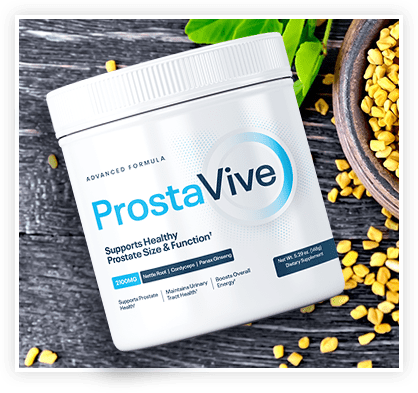
Prostavive™ Nutritional Support Formula
- Designed to support natural urinary rhythm and maintain normal nighttime habits
- Helps sustain uninterrupted rest and daily comfort against fragmented sleep
- Manufactured in a cGMP-compliant, FDA-registered facility without harsh synthetics
Many people find that adding fresh ginger to smoothies or teas helps them feel more consistent in their daily energy. This is not because the ginger functions like a synthetic hormone, but because it improves the overall terrain in which those hormones operate. Consistent, mild intake is typically more effective than sporadic, heavy doses.
Structured Dietary Incorporation And Dosage
Consistency matters when using functional foods for wellness. A structured approach ensures that you provide your system with a steady supply of active compounds without overwhelming your digestive tract. Start by finding a baseline that fits your individual palate and dietary needs.
1. Start with fresh tea using half an inch of thinly sliced root steeped in hot water for ten minutes. This method provides a gentle introduction to the active oils without the intensity of raw consumption.
2. Integrate grated ginger into morning stir fries or vegetable bowls. The heat from cooking softens the sharpness while keeping the active compounds stable enough to be effective.
3. Use high quality dried powder in smoothies if fresh root is unavailable. One quarter teaspoon of ground ginger is roughly equivalent to a small portion of fresh root.
Comparing Natural Dietary Interventions
Choosing the right approach often requires comparing how different botanical options stack up against one another. While ginger serves as an excellent anti inflammatory, other foods offer different benefits. The following table illustrates how common food choices interact with metabolic wellness markers.
| Food Source | Primary Benefit | Mechanism |
|---|---|---|
| Ginger Root | Inflammation Control | Lowers oxidative markers |
| Pumpkin Seeds | Mineral Supply | Provides essential zinc |
| Fatty Fish | Omega Support | Reduces cell stress |
Demonstrating The Daily Intake Calculation
To understand the utility of this root, consider the mathematical relationship between intake and systemic health. If an individual aims to consume three grams of raw ginger daily, they must account for the density of the root. Use the following steps to track your intake accurately.
First, weigh the fresh root on a digital kitchen scale to ensure precision. Second, slice the ginger into small segments that equal your target weight. Finally, keep a simple log for one month to observe changes in your digestion and energy levels. Data provided by the National Institutes of Health suggests that stable, long term intake is associated with better metabolic outcomes than irregular usage.
Tracking your habits over time reveals patterns that are difficult to see on a day to day basis. I suggest pairing your intake with a consistent sleep schedule and adequate protein intake. This combination creates the most favorable conditions for the body to maintain its natural hormonal equilibrium.
Addressing Environmental Barriers To Wellness
Modern life presents unique hurdles that can disrupt even the most disciplined wellness routine. Stress hormones often compete with the pathways responsible for vitality. When the body perceives high levels of stress, it prioritizes immediate survival over long term hormonal optimization.
This is where nutritional anchors become essential. By keeping your digestion efficient with anti inflammatory staples, you mitigate some of the damage caused by daily stressors. Research from the Centers for Disease Control emphasizes that diet quality serves as the foundation for broader health markers. Focusing on these fundamentals allows your body to function as intended without needing constant external adjustments.
Frequently Asked Questions
Can ginger interact with common wellness supplements?
Ginger is generally well tolerated when consumed in culinary amounts, but it can influence the way the body processes certain herbal compounds. If you currently use blood thinners or high doses of other botanicals, you should be mindful of how your body reacts to new additions.
Monitoring your response is the most responsible way to integrate any new food into your life. Pay attention to how you feel after a week of consistent intake and adjust the portion size if you notice any changes in comfort or energy levels.
Does the preparation method change the effectiveness?
The method of preparation does change the concentration of bioactive compounds. Raw ginger offers the highest levels of specific volatile oils, but cooked ginger is often easier for the body to break down and assimilate.
I find that rotating between raw tea and cooked meals provides the best of both worlds. This variety ensures that your system receives a broad spectrum of the plant’s natural profile while keeping your daily routine interesting and sustainable.
How long does it take to notice a difference?
Botanical wellness is a slow process that requires patience and dedication. Unlike synthetic solutions, natural root interventions work by gradually shifting the internal environment toward a more balanced state.
Most individuals notice a change in digestion and inflammation levels within four to six weeks of daily use. Consistency is the primary driver of success in this timeline, so focus on small, daily habits rather than significant, sporadic changes.
Is there an ideal time of day to consume ginger?
There is no single perfect time to ingest this root, but many people prefer using it in the morning. Starting the day with an anti inflammatory boost can set a positive tone for your metabolic health.
Some individuals prefer adding it to an evening meal to aid with digestion before sleep. Choose the time that fits your lifestyle best and aim to keep it consistent so your body can anticipate and utilize the nutrients effectively.
What should I look for when selecting fresh ginger?
Look for firm, plump roots that have tight, smooth skin. Avoid pieces that appear wrinkled or show signs of soft spots, as these indicate the root is aging and losing its potent oils.
Proper storage is just as important as selection. Keep your root in a cool, dark place or in a breathable container inside your refrigerator to preserve its freshness for as long as possible.
The Bottom Line
Integrating ginger into your diet provides a valuable, non invasive way to support your body’s natural hormone environment. By prioritizing the reduction of inflammation and oxidative stress, you create a stable foundation for better vitality.
Use fresh ginger in your daily meals to support these physiological pathways. Never stop or change any medication without consulting the provider who recommended it. Consult a licensed healthcare provider before starting any new wellness routine.
Get Your FREE Natural Health Guide!
Subscribe now and receive our exclusive ebook packed with natural health tips, practical wellness advice, and easy lifestyle changes, delivered straight to your inbox.