
The prevalence of macular degeneration, a leading cause of vision loss, has ignited a growing interest in dietary solutions. Eye health is often overlooked, yet it plays a crucial role in maintaining quality of life as we age. Many individuals are unaware that certain foods can significantly impact eye health. One such food is corn, which is not only a staple in various diets but also a powerhouse of nutrients beneficial for the eyes.
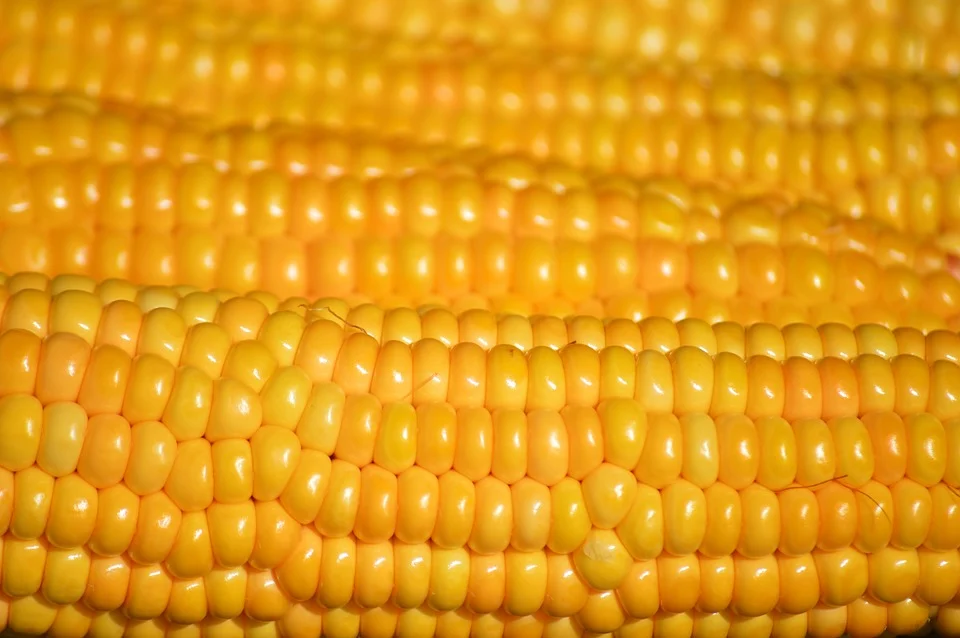
Corn contains zeaxanthin, a carotenoid that is vital for macular health. This compound helps filter harmful blue light and protects retinal cells from oxidative stress. The connection between diet and eye health has prompted researchers to delve deeper into how specific nutrients can mitigate the risk of developing macular degeneration. Adding foods rich in zeaxanthin into your diet could be a straightforward yet effective way to enhance eye health.
Integrating corn into your meals can be a delicious and practical way to boost your intake of zeaxanthin. The versatility of corn allows it to be included in various dishes, making it easy to consume regularly. Whether it is enjoyed on the cob, as popcorn, or in salads, the options are plentiful. This guide will explore how to leverage corn and its zeaxanthin content for optimal macular health.
Understanding the mechanisms behind zeaxanthin and its role in eye health can empower individuals to make informed dietary choices. This guide will provide insights into practical applications, common mistakes, scientific evidence, and lifestyle pairings that can enhance your journey toward better eye health.
Contents
How to Use Corn for Real Results
- Best Form: Fresh corn or corn-based products
- Best Time: During meals or as a snack
- Expected Result: Improved macular health over time
For Daily Protection
The Prep: Start with fresh corn, ideally organic, to minimize pesticide exposure. Gather ingredients such as tomatoes, avocados, and lime juice for a refreshing salad. You will need a sharp knife, a cutting board, and a bowl for mixing.
The Action: Cut the corn kernels off the cob. In a bowl, combine the corn with diced tomatoes and chopped avocados. Squeeze fresh lime juice over the mixture and toss gently to combine. Serve immediately for maximum freshness.
The Feeling: Upon taking a bite, you will experience a burst of flavors. The sweetness of the corn contrasts beautifully with the tangy lime. The creamy texture of the avocado adds richness, making this dish not only nutritious but also satisfying.
Pro Tip: Enhance the flavor by adding chopped cilantro or a pinch of salt.
The Afternoon Snack
The Prep: For a quick and nutritious snack, gather popcorn kernels, a stovetop or air popper, and your favorite seasoning. If using a stovetop, have a large pot ready.
The Action: Heat the pot on medium heat, add a few kernels to test the temperature, and once they pop, add the remaining kernels. Cover the pot and shake occasionally until popping slows. Once done, season with a sprinkle of salt or nutritional yeast.
The Feeling: As you munch on the popcorn, you will feel a satisfying crunch. The lightness of the snack makes it perfect for an afternoon pick-me-up. The flavor will vary based on your chosen seasoning, providing a delightful experience.
Pro Tip: Try adding a sprinkle of garlic powder for an extra flavor boost.
Evening Side Dish
The Prep: Gather fresh corn, bell peppers, onions, and spices such as cumin and chili powder. You will need a skillet and a spatula for cooking.
The Action: Sauté chopped onions and bell peppers in olive oil until they are soft. Add the corn and spices, stirring occasionally. Cook for about 10 minutes until everything is heated through and well combined.
The Feeling: This dish will provide a warming sensation as the spices mingle with the sweetness of the corn. The vibrant colors and aromas will make it an appealing addition to your dinner plate.
Pro Tip: Serve this dish alongside grilled chicken or fish for a complete meal.
Avoiding Common Errors in Dietary Choices
Choosing Processed Corn Products
Many people opt for processed corn products, thinking they are just as beneficial. However, these products often lack the nutrients found in whole corn. They may also contain additives and preservatives that can negate health benefits.
To improve your diet, focus on consuming whole corn. Fresh corn on the cob, frozen corn, or minimally processed corn products retain most nutrients. By making this simple switch, you can significantly enhance your intake of zeaxanthin and other beneficial compounds.
Ignoring Cooking Methods
Cooking corn improperly can lead to nutrient loss. Boiling corn for extended periods can wash away valuable nutrients, including zeaxanthin. Steaming or grilling corn preserves its nutritional value while enhancing its flavor.
To maximize health benefits, consider roasting or steaming corn instead of boiling. These methods not only retain nutrients but also bring out the natural sweetness of corn.
Overlooking Other Nutrients
Focusing solely on zeaxanthin can lead to an imbalanced diet. While zeaxanthin is crucial for eye health, it works best in synergy with other nutrients. Vitamins A, C, and E, along with zinc, contribute significantly to overall eye health.
To create a balanced diet, include a variety of colorful fruits and vegetables alongside corn. This approach ensures a well-rounded intake of essential nutrients that collectively support eye health.
The Science Behind Zeaxanthin and Eye Health
The biological mechanism of zeaxanthin centers on its ability to absorb blue light. The macula, a small area in the retina, contains high concentrations of zeaxanthin. This compound acts as a natural filter, protecting retinal cells from oxidative stress caused by light exposure.
Zeaxanthin is a carotenoid, a type of pigment found in various fruits and vegetables. It is particularly abundant in corn, spinach, and kale. Its antioxidant properties help combat free radicals, which can damage cells and contribute to age-related macular degeneration.
Clinical studies have shown a positive correlation between zeaxanthin intake and reduced risk of macular degeneration. Research indicates that higher levels of zeaxanthin in the diet may lead to improved visual function. For further reading on this relationship, visit PubMed.
Choosing the Right Product for Eye Health
– **Potency:** Choose corn products that highlight their zeaxanthin content. Higher potency means more effective health benefits.
– **Purity:** Opt for organic or non-GMO options to avoid harmful chemicals. Pure products are less likely to contain additives that could interfere with health benefits.
– **Form:** Fresh corn, frozen corn, or cornmeal can all be effective. Select the form that best fits your lifestyle and dietary preferences.
Evaluating the Benefits and Drawbacks
| The Benefits | Potential Downsides |
|---|---|
| Rich in zeaxanthin, promoting eye health. | Excessive consumption of processed corn can lead to nutrient deficiencies. |
| Versatile and easy to incorporate into meals. | May cause digestive discomfort in some individuals. |
| Natural source of antioxidants. | Overcooking can diminish nutrient content. |
Complementary Lifestyle Habits
Regular exercise is essential for overall health and can improve blood circulation, promoting better nutrient delivery to the eyes. Aim for at least 150 minutes of moderate aerobic activity each week.
Adequate hydration also plays a crucial role in eye health. Drinking sufficient water helps maintain moisture levels in the eyes and supports overall bodily functions.
Who Should Avoid This?
– Individuals with corn allergies.
– Those with specific dietary restrictions that limit carbohydrate intake.
– People taking medications that may interact negatively with high-carbohydrate foods.
Common Questions
How much corn should I eat for eye health?
Incorporating corn into your diet several times a week can help boost zeaxanthin levels. Aim for a serving size that fits your dietary needs.
Can I get zeaxanthin from other sources?
Yes, zeaxanthin is found in various foods, including spinach, kale, and egg yolks. A varied diet will help meet your needs.
Is corn safe for diabetics?
Corn can be included in a diabetic diet, but portion control is important due to its carbohydrate content.
Are there any side effects from consuming too much corn?
Excessive consumption can lead to digestive issues for some people. Moderation is key to enjoying its benefits.
Bottom Line
Integrating corn into your diet can significantly enhance your macular health.
- The Truth: Excessive reliance on processed corn products can negate health benefits.
- The Strategy: Consume fresh or minimally processed corn regularly for maximum benefits.
- The Next Step: Pair corn with other nutrient-dense foods to create balanced meals.
Get Your FREE Natural Health Guide!
Subscribe now and receive our exclusive ebook packed with natural health tips, practical wellness advice, and easy lifestyle changes, delivered straight to your inbox.