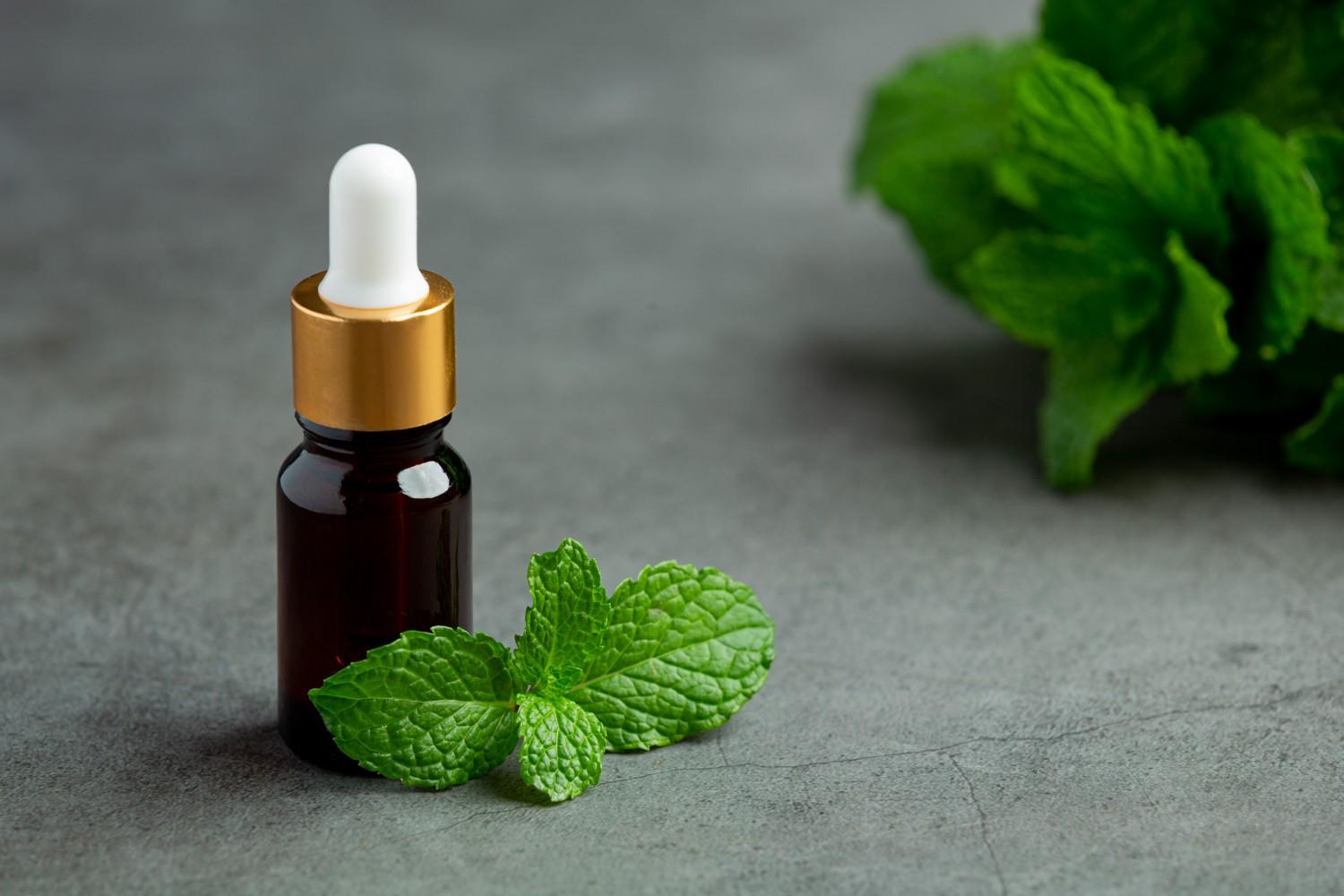

Peppermint oil has emerged as a popular natural remedy for muscle relief, especially for those who engage in physical activities that lead to discomfort or soreness. The cooling sensation of peppermint oil can provide immediate relief, making it an appealing alternative to synthetic pain relievers. Many individuals seek effective, natural solutions to manage muscle tension and discomfort, and peppermint oil stands out due to its unique properties. People often struggle to find the right products that not only alleviate pain but also promote overall wellness without adverse side effects.

The problem lies in the overwhelming choices available in the wellness market. Many products claim to soothe muscle pain, but not all deliver on their promises. This can lead to frustration and confusion. Understanding how peppermint oil works and how to use it effectively can empower individuals to take charge of their muscle health. With proper application and knowledge, peppermint oil can become an integral part of a natural wellness routine.
This guide aims to provide an in-depth look at how to utilize peppermint oil for muscle relief. From practical applications to the science behind its effectiveness, readers will gain insights into the best practices for incorporating this essential oil into their routine. The following sections will explore various methods of application, common mistakes to avoid, and the biological mechanisms that make peppermint oil effective.
By the end of this guide, individuals will have a comprehensive understanding of how to cool down naturally with peppermint oil, allowing them to relieve muscle tension and enhance their overall well-being.
Contents
How to Use Peppermint Oil for Real Results
- Best Form: Essential oil diluted in carrier oil
- Best Time: After workouts or as needed
- Expected Result: Immediate cooling and relief from soreness
For Daily Protection
The preparation for daily use involves mixing peppermint oil with a carrier oil such as coconut or jojoba oil. A safe dilution ratio is typically around 2-3 drops of peppermint oil for every tablespoon of carrier oil. This ensures the oil is gentle on the skin while still providing effective relief.
To apply, take the diluted mixture and gently massage it into the muscles that feel tense or sore. Focus on areas that are particularly affected, such as the neck, shoulders, or legs. Using circular motions can enhance the absorption of the oil and promote relaxation.
Upon application, a cooling sensation will begin to develop almost immediately. This tingling feeling can last for up to an hour, providing an ongoing sense of relief. Many users report feeling refreshed and invigorated after using peppermint oil.
Pro Tip: For an extra cooling effect, store your diluted peppermint oil mixture in the refrigerator.
Targeting Acute Pain
For acute pain relief, begin by preparing a stronger dilution. Use 4-5 drops of peppermint oil with a tablespoon of carrier oil for targeted areas. This concentrated blend can provide deeper relief where needed most.
Apply the mixture directly to the affected area. Use firm pressure while massaging to penetrate deeper into the muscle tissue. This can help alleviate acute pain from strains or overexertion during physical activities.
The immediate sensation is one of intense cooling followed by a soothing warmth as the oil penetrates the muscles. Users often experience relief within minutes, allowing them to resume their activities without discomfort.
Pro Tip: Combine peppermint oil with other essential oils like lavender for added calming effects.
The Nighttime Routine
For nighttime relaxation, combine peppermint oil with a carrier oil and add a few drops of lavender oil for a calming blend. This mixture can help soothe tight muscles after a long day.
Before bed, apply the oil to sore areas, focusing on the back and legs. A gentle massage can help unwind the body and promote a restful night’s sleep.
Expect a gentle cooling sensation that transitions into relaxation. The combination of peppermint and lavender can enhance the feeling of calmness, helping to ease into sleep. Many report a significant reduction in muscle tension by morning.
Pro Tip: Use a roller bottle for easy application before bedtime.
Avoiding Common Mistakes When Using Peppermint Oil
Using Low Quality Oils
One common mistake is opting for low-quality peppermint oil. Not all essential oils are created equal. Many products on the market may contain fillers or synthetic ingredients, which can diminish effectiveness and cause skin irritation.
To avoid this pitfall, always choose high-quality, pure essential oils from reputable brands. Look for oils that are labeled as 100% pure and preferably organic. This ensures that you are using a product that provides optimal benefits without harmful additives.
Investing in high-quality peppermint oil will enhance your experience and results. The pure oil will provide a more potent cooling sensation and muscle relief.
Not Diluting Properly
Another prevalent mistake is applying undiluted peppermint oil directly to the skin. Essential oils are highly concentrated and can cause skin irritation or allergic reactions when used in their pure form.
Always dilute peppermint oil with a carrier oil before application. A general guideline is to use a ratio of 2-3 drops of peppermint oil to one tablespoon of carrier oil. This will ensure that the oil is safe for topical use and effective for muscle relief.
Proper dilution not only protects the skin but also enhances the absorption of the oil, maximizing its benefits.
Ignoring Skin Sensitivity
Some individuals may overlook their skin sensitivity. Peppermint oil can cause a cooling sensation that may feel uncomfortable for those with sensitive skin.
Before using peppermint oil widely, conduct a patch test. Apply a small amount of the diluted oil to a less visible area of skin and wait 24 hours to check for any adverse reactions. This will help identify any sensitivities before applying it to larger areas.
Being mindful of skin sensitivity will ensure a more pleasant experience while using peppermint oil for muscle relief.
The Science Behind Peppermint Oil
The biological mechanism behind peppermint oil’s effectiveness lies in its primary component, menthol. Menthol activates the TRPM8 receptors in the skin, which are responsible for sensing cold temperatures. When applied topically, menthol creates a cooling sensation that can distract the brain from pain signals, providing an analgesic effect.
Menthol is not just a sensory agent; it also has anti-inflammatory properties. This means that it can help reduce inflammation in the muscles, further contributing to pain relief. The combination of cooling and anti-inflammatory effects makes peppermint oil a powerful ally in muscle recovery.
Clinical studies have shown the efficacy of menthol in pain relief. A systematic review published on PubMed highlights menthol’s role in reducing muscle soreness and discomfort. For more in-depth information, refer to the study here: Menthol and Muscle Pain.
Choosing the Right Product
- Potency: Higher potency oils tend to be more effective. Selecting oils with a higher concentration of menthol can enhance your experience and results.
- Purity: Look for products that are 100% pure essential oil. Pure oils do not contain additives or synthetic ingredients, ensuring maximum benefits and safety.
- Form: Consider the method of application that suits your needs. Roll-ons, sprays, or diluted oils can provide convenience and ease of use for muscle relief.
Benefits vs Risks
| The Benefits | Potential Downsides |
|---|---|
| Provides immediate cooling relief for muscle soreness | May cause skin irritation if used undiluted |
| Natural alternative to synthetic pain relievers | Some individuals may experience allergic reactions |
| Enhances relaxation and promotes better sleep | Not suitable for everyone, especially those with sensitive skin |
Habits to Enhance Muscle Recovery
Incorporating stretching into your routine can significantly improve muscle flexibility and reduce tension. Regular stretching helps maintain muscle elasticity and prevents soreness after workouts.
Staying well-hydrated is crucial for muscle recovery. Water helps transport nutrients to muscle tissues and aids in flushing out toxins that can contribute to soreness.
Who Should Avoid This?
- Pregnant or nursing women
- Individuals with skin sensitivities or allergies to mint
- Children under the age of two
- Those with respiratory conditions, as inhaling menthol can exacerbate symptoms
Common Questions
Can I use peppermint oil for headaches?
Yes, peppermint oil can help alleviate tension headaches. Applying diluted oil to the temples can provide soothing relief.
How often can I apply peppermint oil?
You can apply diluted peppermint oil multiple times a day as needed for muscle relief.
Is peppermint oil safe for all skin types?
Not necessarily. Always conduct a patch test to check for sensitivity before widespread application.
Can I mix peppermint oil with other essential oils?
Yes, peppermint oil blends well with oils like lavender and eucalyptus for enhanced benefits.
The Bottom Line
Peppermint oil offers a natural solution for muscle relief through its cooling and anti-inflammatory properties.
- The Truth: While effective, it may not work for everyone.
- The Strategy: Use it after workouts for optimal results.
- The Next Step: Incorporate regular stretching into your routine.
Get Your FREE Natural Health Guide!
Subscribe now and receive our exclusive ebook packed with natural health tips, practical wellness advice, and easy lifestyle changes, delivered straight to your inbox.