
Contents
Comfort and confidence can often feel elusive, especially for individuals experiencing bladder issues. The discomfort associated with tight clothing can exacerbate anxiety and lead to a sense of vulnerability. This is where loose clothing emerges as a practical solution. By providing ample space and comfort, loose garments can alleviate pressure on the bladder, promoting a more relaxed state. When the body feels unrestricted, the mind often follows suit, fostering an environment where confidence can flourish.
The choice of clothing plays a significant role in how we feel throughout the day. Ill-fitting or restrictive attire can lead to physical discomfort, which may translate into emotional distress. Loose clothing offers a sanctuary from this discomfort, allowing individuals to navigate their daily lives with greater ease. The benefits extend beyond mere comfort, encompassing improved bladder health and overall well-being.
Understanding the connection between clothing and bladder flow can empower individuals to take control of their experiences. Loose garments can mitigate the fear of leaks while providing a sense of security. This guide delves into the practical applications, common mistakes, scientific mechanisms, and lifestyle adjustments that can enhance the benefits of wearing loose clothing for bladder flow.
As we explore this topic, the goal is to equip you with actionable insights that can improve your daily life. The journey toward comfort and confidence starts with understanding how clothing choices impact bladder health.
How to Use Loose Attire for Real Results
- Best Form: Loose-fitting pants or dresses
- Best Time: Throughout the day
- Expected Result: Enhanced comfort and confidence
For Daily Protection
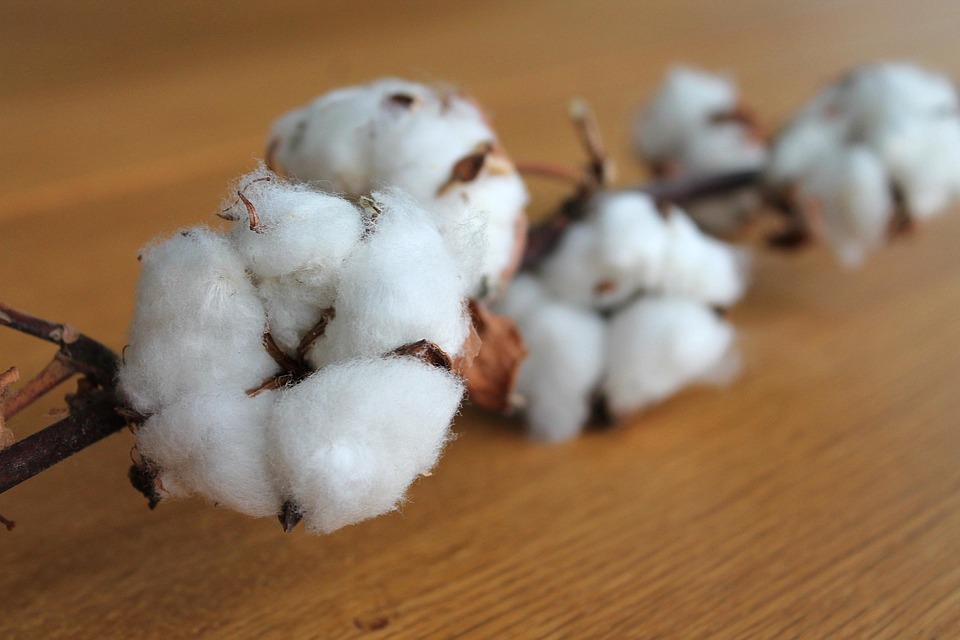
The Prep: Start by selecting breathable fabrics such as cotton or linen. These materials allow airflow, reducing moisture buildup. Choose pants or skirts that have an elastic waistband for added comfort. This setup ensures that your clothing adapts to your body’s movements without constraining it.
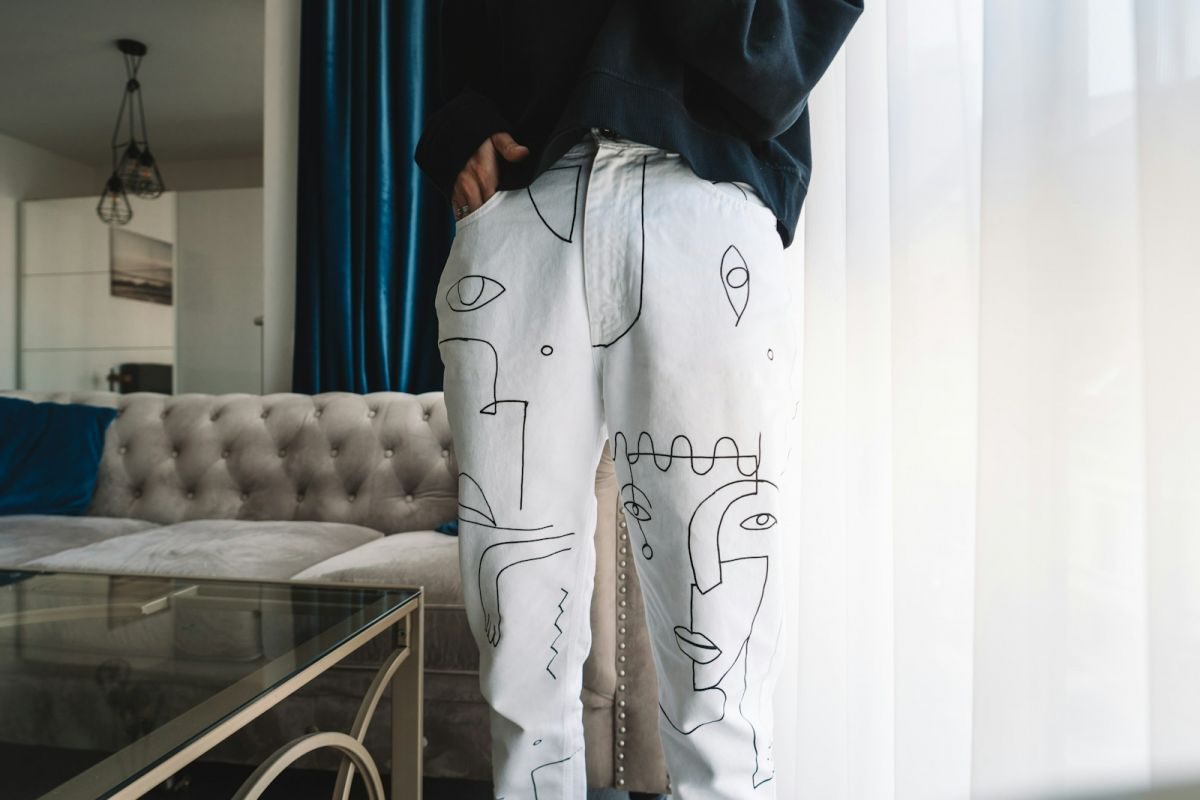
The Action: Wear your loose-fitting attire during daily activities. Opt for clothing that allows for easy movement, whether you are running errands or attending a casual gathering. Make sure the fit is neither too tight nor too oversized to maintain a balance between comfort and style.
The Feeling: Wearing loose clothing can create a sensation of freedom. The gentle sway of fabric can be soothing, and you may notice a reduction in anxiety related to bladder control. This feeling often lasts throughout the day, reinforcing a sense of security and ease.
Pro Tip: Keep a spare set of loose clothing in your car or office for unexpected situations.
Targeting Acute Discomfort
The Prep: For acute discomfort or urgency, choose lounge pants or oversized shirts that provide maximum comfort. Fabrics like modal or bamboo can be particularly soothing against the skin. Ensure that the clothing is not only loose but also soft to the touch, minimizing irritation.
The Action: When feeling acute discomfort, change into your selected comfortable attire. Take a few moments to breathe deeply, allowing your body to relax. Engage in light stretching to further alleviate any tension that may be contributing to your discomfort.
The Feeling: The immediate relief from tight clothing can be profound. You may experience a decrease in pressure on your bladder, allowing for a more relaxed state. The sensation of soft fabric against your skin can also promote a calm mindset.
Pro Tip: Incorporate mindfulness practices while in loose clothing to enhance relaxation further.
The Evening Wind Down
The Prep: As you prepare for the evening, choose loose pajamas or a comfortable nightgown. Opt for breathable fabrics that help regulate body temperature. A relaxed fit will ensure that you can move freely while sleeping.
The Action: Change into your loose sleepwear before bedtime. Create a calming environment by dimming the lights and possibly incorporating aromatherapy. This can enhance the overall experience of comfort and relaxation.
The Feeling: Transitioning to loose clothing at night can signal your body that it is time to wind down. You may feel a sense of relief as you slip into softer, more forgiving fabrics. This comfort can lead to improved sleep quality, which is crucial for bladder health.
Pro Tip: Stick to a consistent bedtime routine to reinforce the comfort of loose clothing in your nightly rituals.
Avoiding Common Errors
Choosing the Wrong Fabric
Opting for synthetic fabrics can lead to discomfort and irritation. These materials often trap moisture, creating an environment that is not conducive to bladder health. Instead, prioritize natural fibers that allow the skin to breathe. This simple switch can significantly enhance comfort levels.
Selecting the wrong fabric can also contribute to skin irritation. Natural materials like cotton and bamboo are not only breathable but also hypoallergenic. Investing in high-quality fabrics can make a noticeable difference in your experience with loose clothing.
Ignoring Fit and Size
Wearing clothing that is either too tight or excessively loose can negate the benefits of comfort. While it is essential to avoid restrictive garments, excessively baggy clothing can lead to chafing and discomfort. Finding the right balance is crucial.
Understanding your body shape is key to selecting clothing that provides comfort without compromising style. Tailoring options can be considered to ensure a perfect fit. This will help maintain a polished look while still offering the benefits of loose clothing.
Neglecting Supportive Undergarments
Loose clothing can sometimes lead to issues with support, particularly when it comes to undergarments. Wearing the wrong size or style can contribute to discomfort and even impact bladder health. Opt for supportive yet comfortable underwear that complements your loose attire.
Consider materials that wick moisture away from the body. This can help maintain a comfortable environment, especially during warmer months. Proper undergarments can enhance your overall experience with loose clothing.
The Mechanisms Behind Comfort
Biological Mechanism: The human body responds to pressure in various ways. Tight clothing can create anxiety by putting pressure on the bladder and pelvic area. Loose clothing alleviates this pressure, allowing the body to relax. This relaxation can promote better bladder function and overall comfort.
Key Compound: The key to comfort lies in the choice of materials. Natural fibers such as cotton are known for their breathability and moisture-wicking properties. These materials allow for airflow, reducing the risk of irritation and discomfort. This can be particularly beneficial for individuals experiencing bladder issues.
Clinical Evidence: Research indicates that clothing choice can significantly influence comfort and bladder health. A study linked loose clothing to improved bladder function and reduced anxiety levels in individuals with bladder control issues. For more in-depth information, refer to this PubMed search on loose clothing and bladder health.
Choosing the Right Product
– **Potency**: The effectiveness of loose clothing is heightened when made from high-quality materials. Investing in well-constructed garments ensures durability and comfort.
– **Purity**: Opt for clothing without harmful chemicals or dyes. Natural and organic fabrics are less likely to cause irritation and are better for sensitive skin.
– **Form**: Look for styles that offer flexibility and comfort. Garments that allow for movement will provide a more enjoyable wearing experience.
Benefits vs Risks
| The Benefits | Potential Downsides |
|---|---|
| Improved comfort and reduced anxiety | May not be suitable for formal occasions |
| Enhanced bladder health | Possible loss of style for some individuals |
| Greater freedom of movement | Can lead to chafing if not fitted properly |
Habits That Enhance Comfort
Incorporate regular hydration into your daily routine. Staying hydrated can improve bladder health and comfort. This practice ensures that your body functions optimally while wearing loose clothing.
Engage in regular physical activity. Exercise can strengthen pelvic floor muscles, contributing to better bladder control. This will enhance the overall benefits of wearing loose clothing.
Who Should Avoid This?
– Individuals with specific allergies to certain fabrics
– Those with skin sensitivities to synthetic materials
– People who require more structured support for medical reasons
Common Questions
Can loose clothing help with bladder control issues?
Yes, loose clothing can alleviate pressure on the bladder, which may improve comfort and confidence.
What types of fabrics are best for loose clothing?
Natural fibers like cotton and linen are preferred for their breathability and comfort.
Are there any specific styles to avoid?
Tight-fitting clothing should be avoided as it can lead to discomfort and anxiety.
How often should I wear loose clothing?
Incorporate loose clothing into your daily wardrobe for maximum benefits, especially during times of increased bladder sensitivity.
The Bottom Line
Comfort and confidence can significantly improve quality of life for those navigating bladder issues.
- The Truth: Loose clothing is not a cure but can enhance comfort.
- The Strategy: Wear loose attire throughout the day for optimal benefits.
- The Next Step: Experiment with different styles to find what works best for you.
Get Your FREE Natural Health Guide!
Subscribe now and receive our exclusive ebook packed with natural health tips, practical wellness advice, and easy lifestyle changes, delivered straight to your inbox.