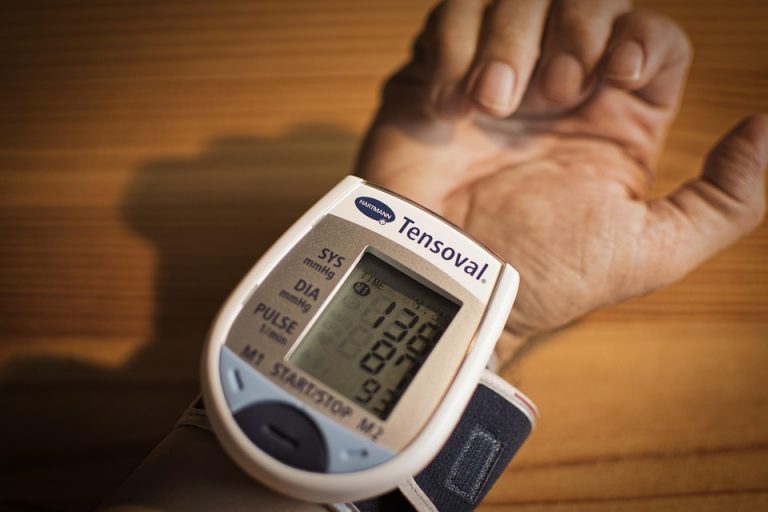
Cold water exposure has gained popularity as a wellness trend, often touted for its invigorating effects on the body and mind. However, many people remain unaware of its profound impact on blood pressure. High blood pressure, or hypertension, affects millions and can lead to serious health issues if left unmanaged. While traditional methods of controlling blood pressure often involve medication and lifestyle changes, cold water exposure presents a natural alternative that merits exploration.
This practice involves immersing the body in cold water, which can take various forms such as cold showers, ice baths, or swimming in cold lakes. The physiological responses triggered by cold exposure can lead to significant changes in cardiovascular health, particularly in relation to blood pressure. Understanding how this practice works provides insight into its potential benefits and applications.
Incorporating cold water exposure into one’s routine may seem daunting, but the effects can be surprisingly refreshing and beneficial. The experience not only promotes physical well-being but also enhances mental clarity, making it a holistic approach to health management. As more individuals seek natural remedies for hypertension, the exploration of cold water exposure becomes increasingly relevant.
This guide will delve into the practical applications, scientific mechanisms, common mistakes, and essential considerations surrounding cold water exposure and its effects on blood pressure.
Contents
- How to Use Cold Water Exposure for Real Results
- Critical Errors to Avoid When Practicing Cold Water Exposure
- The Mechanisms Behind Cold Water and Blood Pressure
- Choosing the Right Cold Water Exposure Method
- Understanding the Trade-offs
- Complementary Lifestyle Habits
- Who Should Avoid This?
- Common Questions
- The Final Takeaway
How to Use Cold Water Exposure for Real Results
- Best Form: Cold showers or ice baths
- Best Time: Morning or post-workout
- Expected Result: Improved blood circulation and reduced blood pressure
Morning Energizer
The Prep: Begin with a comfortable shower temperature to acclimate your body. Prepare your space by ensuring the water source is cold. A thermometer can help you gauge the temperature, aiming for around 50°F to 60°F.
The Action: Start with a warm shower for a few minutes. Gradually reduce the temperature until it feels cold. Stand under the cold water for 30 seconds to a minute, allowing your body to adjust. Focus on your breathing, inhaling deeply and exhaling slowly.
The Feeling: Initially, expect a shock to your system. The cold will create a tingling sensation across your skin. After a minute, you will likely feel a rush of warmth as blood circulation increases. This invigorating feeling can last for several minutes.
Pro Tip: Gradually increase your exposure time each day to build tolerance and maximize benefits.
Post-Workout Recovery
The Prep: After completing a workout, prepare a tub with cold water and ice. Aim for a temperature that feels uncomfortable but not unbearable. Have a towel nearby for after your session.
The Action: Slowly immerse your body into the cold water, starting with your feet and legs. Allow your body to adjust before fully submerging. Stay in the cold water for 5 to 10 minutes, focusing on your breathing to remain calm.
The Feeling: The cold will initially feel shocking, but as you settle in, your body will adapt. You may experience a numbing sensation, followed by a feeling of rejuvenation as muscle soreness begins to dissipate.
Pro Tip: Incorporate deep breathing techniques during your immersion to enhance relaxation and recovery.
Weekend Chill Session
The Prep: Choose a natural water source like a lake or river, or fill a tub with cold water. Ensure you have a safe and comfortable area to enter the water. Check the temperature beforehand to ensure it is cold enough to provide a challenge.
The Action: Gradually enter the water, allowing your body to acclimatize. Aim to stay submerged for at least 3 to 5 minutes. Focus on your mental state, embracing the cold as a form of meditation.
The Feeling: The initial shock will be intense, but as you breathe through it, you may experience a sense of clarity and calm. After exiting the water, a feeling of warmth and energy will often follow.
Pro Tip: Use this time to practice mindfulness, focusing on your breath and the sensations in your body.
Critical Errors to Avoid When Practicing Cold Water Exposure
Neglecting Proper Preparation
Many individuals underestimate the importance of preparing for cold water exposure. Jumping straight into cold water without acclimatization can lead to shock and discomfort. It is vital to gradually expose your body to cooler temperatures to reduce the risk of adverse reactions.
Start with warm temperatures and gradually decrease over several sessions. This approach not only prepares your body but also enhances the experience, making it more enjoyable and beneficial.
Overdoing It on Initial Attempts
A common mistake involves overexposing oneself to cold water during initial attempts. While the benefits are significant, excessive exposure can lead to hypothermia or other health risks. Beginners should limit their time in cold water to avoid overwhelming their bodies.
Start with shorter durations and slowly increase exposure as your tolerance builds. Listening to your body is crucial for a safe and effective experience.
Ignoring Body Signals
Ignoring physical signals during cold water exposure can lead to complications. If you feel dizzy, excessively cold, or experience pain, it is essential to exit the water immediately. Listening to your body helps avoid negative experiences and promotes a more positive relationship with cold exposure.
Always prioritize comfort and safety over duration or intensity. Ensuring a safe practice leads to a more rewarding experience.
The Mechanisms Behind Cold Water and Blood Pressure
Cold water exposure triggers several biological responses that can influence blood pressure. When the body is exposed to cold, blood vessels constrict, leading to an initial increase in blood pressure. This response is a natural mechanism aimed at preserving core body temperature and ensuring vital organs receive adequate blood flow.
As the body adapts to the cold, a process called vasodilation occurs. This results in the widening of blood vessels, promoting improved blood circulation. The net effect can lead to a reduction in overall blood pressure levels over time, particularly beneficial for those suffering from hypertension.
Key compounds, such as norepinephrine, are released during cold exposure. This neurotransmitter plays a crucial role in regulating blood vessels and blood pressure. Increased norepinephrine levels can enhance cardiovascular function and potentially lower blood pressure, making cold water exposure a compelling strategy for managing hypertension.
Clinical evidence supports these claims, indicating that cold exposure can positively impact cardiovascular health. Research has shown that regular cold exposure can lead to improved blood circulation, reduced blood pressure, and enhanced overall cardiovascular function. For more in-depth studies, you can explore the findings at PubMed.
Choosing the Right Cold Water Exposure Method
- Potency: The effectiveness of cold exposure can vary based on the method used. Ensuring you choose an approach that provides a significant temperature drop is essential for achieving desired results.
- Purity: If using ice or cold packs, ensure they are free from contaminants. Cleanliness contributes to a safer and more effective experience.
- Form: Different forms of cold exposure, such as ice baths or cold showers, can yield varying results. Experimenting with various methods helps determine what works best for your body.
Understanding the Trade-offs
| The Benefits | Potential Downsides |
|---|---|
| Improves blood circulation | Initial discomfort and shock to the system |
| Reduces blood pressure | Risk of hypothermia with prolonged exposure |
| Enhances mental clarity and focus | Not suitable for everyone, particularly those with certain health conditions |
Complementary Lifestyle Habits
Incorporating regular physical activity into your routine can enhance the benefits of cold water exposure. Exercise promotes cardiovascular health, which complements the effects of cold exposure on blood pressure. Engaging in activities such as walking, running, or yoga can significantly improve overall well-being.
Mindfulness practices, such as meditation or deep breathing, can also enhance the experience of cold exposure. These techniques help manage stress and anxiety, which are known contributors to high blood pressure. Combining cold exposure with mindfulness can lead to a holistic approach to health.
Who Should Avoid This?
- Individuals with cardiovascular diseases
- Those with respiratory conditions, such as asthma
- Pregnant women
- People with a history of cold-related illnesses, such as Raynaud’s phenomenon
Common Questions
How long should I stay in cold water?
Start with 30 seconds to a minute and gradually increase your duration as you become accustomed to the cold.
Can cold exposure be harmful?
Yes, excessive exposure can lead to hypothermia or other health risks. Always listen to your body and prioritize safety.
Is cold water exposure suitable for everyone?
No, individuals with certain health conditions should consult a healthcare professional before trying cold water exposure.
How often should I practice cold exposure?
Aim for 2 to 3 times a week to maximize benefits while allowing your body to recover.
The Final Takeaway
Cold water exposure presents a unique opportunity for enhancing cardiovascular health and managing blood pressure.
- The Truth: While cold exposure can be beneficial, it is not a substitute for medical treatment for hypertension.
- The Strategy: Incorporate it into your routine gradually to achieve the best results.
- The Next Step: Consider pairing cold exposure with regular exercise and mindfulness practices for optimal health benefits.
Get Your FREE Natural Health Guide!
Subscribe now and receive our exclusive ebook packed with natural health tips, practical wellness advice, and easy lifestyle changes, delivered straight to your inbox.