
Cold exposure, particularly through cold showers, is gaining traction as a method for enhancing overall health and vitality. Many individuals struggle with poor circulation, leading to feelings of fatigue and discomfort. Traditional remedies often fall short, leaving people searching for effective solutions. Cold showers present a refreshing alternative, providing both physical and mental benefits that can invigorate the body and mind.

The concept of cold exposure is rooted in ancient practices, yet modern science is beginning to validate its benefits. Cold showers can stimulate circulation, enhance mood, and even support immune function. They are a practical, accessible method for anyone looking to boost their vitality without the need for expensive treatments or supplements.
Cold showers can seem daunting at first. However, the rewards far outweigh the initial discomfort. Understanding the proper techniques and timing can turn this chilling experience into a revitalizing routine that enhances daily life.
Exploring how to integrate cold showers into your wellness regimen opens the door to a plethora of health benefits. This guide will delve into the practical applications, common mistakes, scientific mechanisms, and much more, ensuring you have all the tools needed to harness the full potential of cold exposure for improved circulation and vitality.
Contents
How to Use Cold Showers for Real Results
- Best Form: Direct cold water exposure.
- Best Time: Morning or post-workout.
- Expected Result: Increased circulation and energy levels.
For Daily Protection
The preparation for a daily cold shower involves a simple setup. Start by adjusting your shower to a comfortable temperature, gradually decreasing it to a cooler setting. Have a towel nearby for after the shower. This preparation helps to ease the transition from warmth to cold, making the experience less shocking to the body.
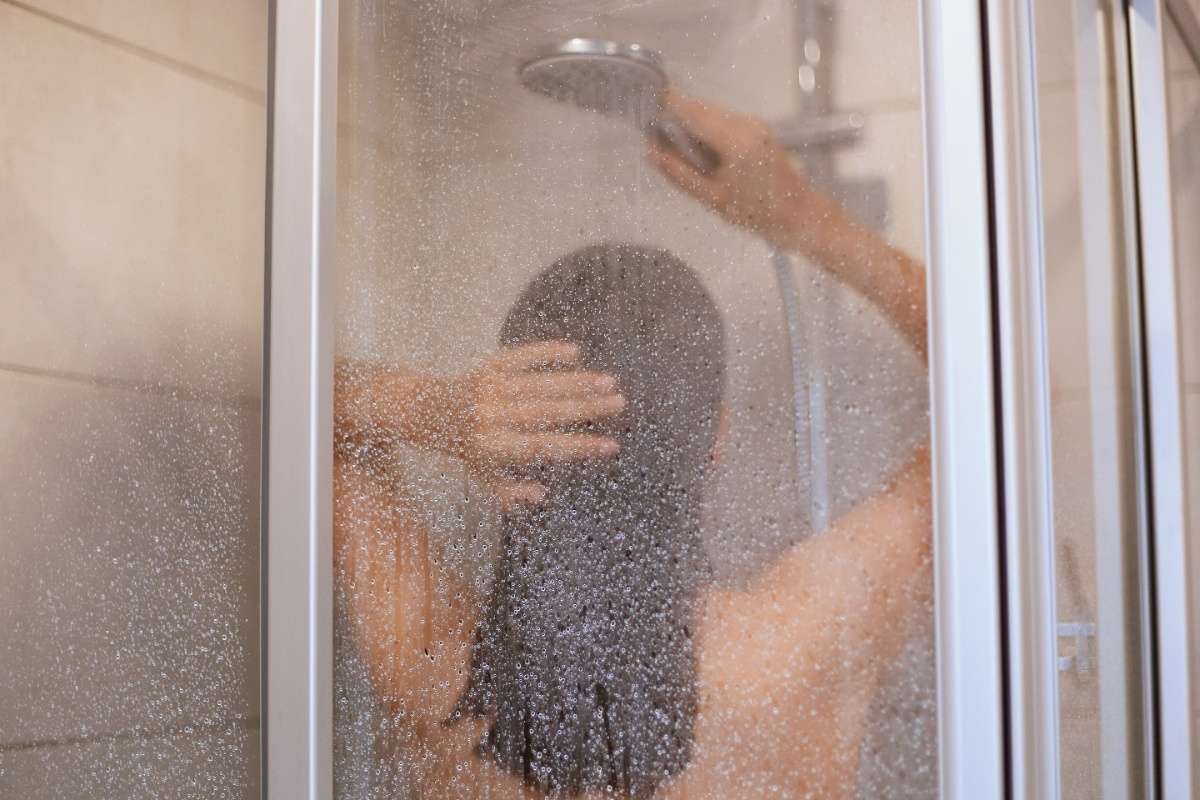
Begin your cold shower by standing under warm water for a minute. This initial warmth will soften your skin and prepare your body for the cold. After the minute, switch the water to a cold setting. Focus on your breathing as you step under the cold water, inhaling deeply to manage the shock.
As the cold water hits your skin, you may feel an immediate tingling sensation. This initial shock quickly gives way to a refreshing invigoration. The cold water stimulates blood flow, making you feel alert and energized. Stay under the cold water for about 30 seconds to 2 minutes, depending on your comfort level.
Pro Tip: Gradually increase the duration of your cold showers each week to build tolerance and maximize benefits.
Targeting Acute Pain
Preparation for targeting acute pain with cold showers requires a focused mindset. Ensure the shower space is free from distractions. Having a comfortable mat or towel to stand on can also provide extra comfort during the experience.
Start your shower with warm water for about a minute. Once warmed up, switch to cold water. Focus on the areas of your body that are experiencing pain or discomfort. Allow the cold water to cascade over these areas for at least two minutes, ensuring you are breathing deeply to help ease any tension.
As you expose your body to cold water, you may feel a sharp contrast between the warmth and the cold. This contrast can alleviate pain by reducing inflammation and promoting circulation to the affected areas. After the shower, the pain may feel diminished, and you may experience a refreshing sense of relief.
Pro Tip: Use cold showers as a regular part of your recovery routine after intense workouts to enhance muscle recovery.
The Nighttime Routine
Preparing for a nighttime cold shower can be a calming ritual. Dim the lights in your bathroom and eliminate any distractions. This creates a peaceful environment that sets the tone for relaxation.
Begin with warm water for one minute to relax your muscles. Afterward, switch to cold. Focus on your breathing as you allow the cold water to wash over you. Concentrate on the sensation of the water and let your mind quiet down.
The initial shock of cold water may feel intense, but it quickly transitions into a soothing experience. This can help clear your mind and prepare your body for restful sleep. After the shower, wrap yourself in a warm towel to maintain a cozy feeling as you transition to bedtime.
Pro Tip: Use cold showers as a signal to your body that it is time to wind down, promoting better sleep quality.
Common Errors to Avoid
Not Gradually Adjusting Temperature
Diving straight into a cold shower without acclimating can lead to shock for many individuals. This mistake can make the experience unpleasant and deter you from continuing. Gradually lowering the water temperature allows your body to adapt, making the transition smoother and more enjoyable.
To avoid this mistake, start with warm water. Gradually decrease the temperature every few seconds until you reach a comfortable cold level. This acclimatization helps you to embrace the cold rather than resist it.
Overdoing the Duration
Staying in cold water for too long can lead to discomfort or even hypothermia in extreme cases. Many individuals mistakenly believe that longer exposure equals greater benefits. While cold exposure is advantageous, moderation is key.
Aim for 30 seconds to 2 minutes for most cold showers. Pay attention to your body’s signals. If you start to feel excessively cold or uncomfortable, it is time to exit the shower.
Ignoring Breathing Techniques
Failing to focus on your breathing during cold exposure can amplify feelings of anxiety and discomfort. Many people underestimate the importance of breath control in managing the cold shock.
Practice deep, controlled breathing while showering. Inhale through your nose and exhale through your mouth. This technique helps to calm the nervous system, making the experience more manageable.
The Mechanisms Behind Cold Exposure
Cold exposure triggers a series of biological responses designed to maintain homeostasis. When exposed to cold temperatures, blood vessels constrict, redirecting blood flow towards core organs. This process enhances circulation and helps to maintain body temperature.
One key compound involved in this response is norepinephrine. This neurotransmitter plays a crucial role in regulating blood flow and promoting alertness. Increased norepinephrine levels enhance mood and cognitive function, making cold showers beneficial for mental clarity.
Research supports the benefits of cold exposure. A study published in the Journal of Clinical Psychology found that cold showers can significantly improve mood and reduce symptoms of anxiety and depression. For further reading, you can access the study here: Cold Showers Benefits.
Choosing the Right Product
– **Potency:** Look for products that offer a strong concentration of beneficial compounds. Potency matters because it ensures that you receive the maximum benefits from your cold exposure routine.
-
Purity: Select high-quality products free from contaminants. Purity is essential to ensure that you are not exposing your body to harmful substances that could negate the benefits of cold exposure.
-
Form: Consider the form of your cold exposure routine. Whether through showers or baths, the method you choose can impact your experience. Different forms may offer varying levels of intensity and comfort.
Benefits vs Risks
| The Benefits | Potential Downsides |
|---|---|
| Improved circulation | Initial discomfort |
| Enhanced mood and energy | Risk of hypothermia if overdone |
| Supports immune function | Not suitable for everyone |
Habits That Complement Cold Showers
Incorporating regular physical activity into your routine can amplify the benefits of cold showers. Exercise increases blood flow and enhances circulation, making cold exposure even more effective.
Mindfulness practices such as yoga or meditation can also enhance the overall experience of cold exposure. These practices help to center the mind and prepare the body for the shock of cold water, improving tolerance over time.
Who Should Avoid This?
– Individuals with cardiovascular conditions.
– Those with respiratory issues, such as asthma.
– Pregnant women should consult their healthcare provider before starting cold exposure routines.
– People with a history of cold intolerance or Raynaud’s disease.
Common Questions
Are cold showers safe for everyone?
Cold showers are generally safe but may not be suitable for individuals with specific health conditions. Consult a healthcare provider if unsure.
How long should I stay in a cold shower?
Aim for 30 seconds to 2 minutes, adjusting based on personal comfort and tolerance.
Can cold showers improve my mood?
Yes, cold showers can enhance mood by increasing norepinephrine levels, which can improve mental clarity and reduce anxiety.
Is it better to take cold showers in the morning or at night?
Both times offer benefits. Morning showers can energize you, while nighttime showers may promote relaxation.
Final Thoughts
Cold showers offer numerous benefits for circulation and overall vitality.
- The Truth: The initial discomfort can be off-putting for many.
- The Strategy: Start with warm water and gradually decrease the temperature.
- The Next Step: Incorporate cold showers into your daily routine for maximum benefits.
Get Your FREE Natural Health Guide!
Subscribe now and receive our exclusive ebook packed with natural health tips, practical wellness advice, and easy lifestyle changes, delivered straight to your inbox.