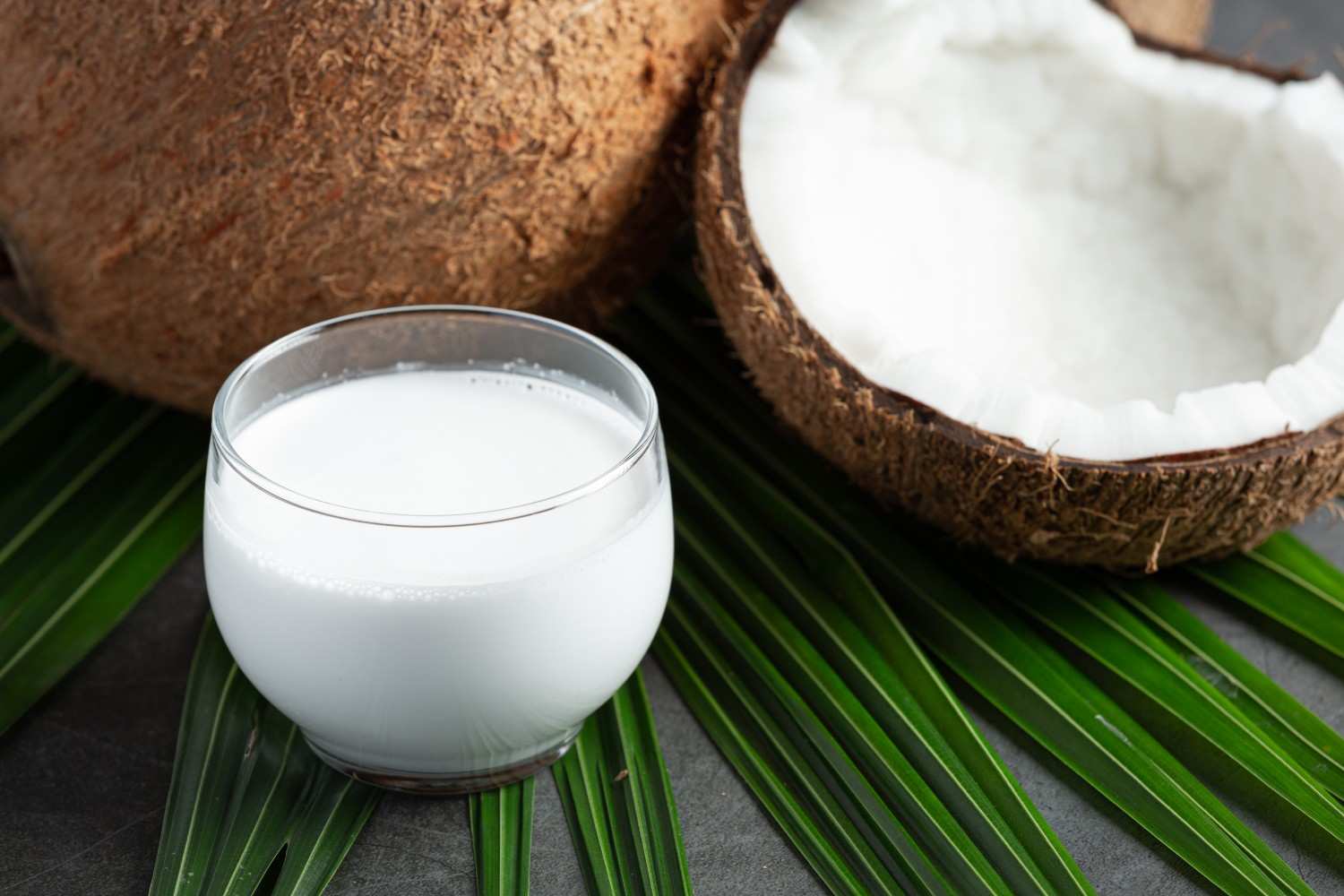

Coconut oil has garnered attention over the years for its numerous health benefits. Among these, its potential influence on testosterone levels is particularly intriguing. Testosterone plays a crucial role in various aspects of health, including muscle mass, mood regulation, and energy levels. Many individuals seek natural ways to enhance their testosterone production, leading to a growing interest in coconut oil as a potential ally in this pursuit.
The quest for natural solutions often leads to a plethora of options, but few are as versatile and accessible as coconut oil. This tropical oil is not only a popular cooking ingredient but also offers a range of health benefits that extend beyond the kitchen. Understanding how coconut oil can impact testosterone levels can empower individuals to make informed decisions about their health and wellness.
The relationship between diet, lifestyle, and hormone levels cannot be overstated. Many people are unaware that the foods they consume can significantly affect their hormone production. Coconut oil, rich in medium-chain triglycerides, has been linked to various metabolic benefits that could indirectly support hormone balance.
This guide aims to explore the natural benefits of coconut oil concerning testosterone production. By delving into its application, scientific backing, common pitfalls, and practical tips, readers can gain a comprehensive understanding of how to incorporate coconut oil into their wellness routines effectively.



Contents
How to Use Coconut Oil for Real Results
- Best Form: Extra virgin coconut oil
- Best Time: Morning or before workouts
- Expected Result: Enhanced energy and potential hormonal balance
For Daily Energy and Hormonal Support
The Prep: Start with high-quality extra virgin coconut oil. Aim for about one tablespoon. You can also mix it with your morning smoothie or coffee for an added boost. If you prefer, use it as a cooking oil for breakfast dishes such as eggs or oatmeal.
The Action: Incorporate the coconut oil into your morning routine. If using in a smoothie, blend it with your favorite fruits, greens, and protein powder. If cooking, simply heat the oil in a pan and prepare your eggs or oatmeal as usual.
The Feeling: You may notice an immediate increase in energy levels. The oil’s medium-chain triglycerides can lead to a steady release of energy, helping you feel more alert and focused throughout the morning.
Pro Tip: For best results, combine coconut oil use with a balanced diet rich in protein and healthy fats.
During Workout Recovery
The Prep: Gather one tablespoon of extra virgin coconut oil and your favorite recovery drink, such as a protein shake.
The Action: After your workout, mix the coconut oil into your recovery drink. This addition can help provide essential fats that may support muscle recovery and hormonal balance.
The Feeling: You might experience a sense of fullness and satisfaction from the healthy fats, which can help curb post-workout cravings.
Pro Tip: Pair your recovery drink with a source of protein to maximize muscle repair.
The Evening Wind Down
The Prep: Take one tablespoon of coconut oil and a cup of herbal tea, like chamomile or peppermint.
The Action: As you prepare for bedtime, stir the coconut oil into your warm herbal tea. This can promote relaxation and prepare your body for rest.
The Feeling: The soothing warmth of the tea combined with the richness of the oil may create a calming sensation, helping you unwind after a long day.
Pro Tip: Create a bedtime routine that includes dimming the lights and avoiding screens to enhance relaxation.
Avoiding Common Mistakes
Choosing Low-Quality Coconut Oil
Using low-quality coconut oil can significantly diminish the potential benefits. Many commercial brands may undergo extensive processing that strips away vital nutrients. Selecting extra virgin coconut oil ensures that you receive the maximum benefits, as it retains higher levels of antioxidants and beneficial compounds.
Opt for organic, cold-pressed varieties whenever possible. This approach not only supports your health but also aligns with sustainable practices. Always check for certifications on the label to ensure quality.
Neglecting a Balanced Diet
Relying solely on coconut oil without considering overall dietary habits can lead to suboptimal results. Coconut oil should complement a balanced diet rich in fruits, vegetables, lean proteins, and whole grains.
Hormonally supportive nutrients, such as zinc and vitamin D, are essential for testosterone production. Incorporate foods like lean meats, nuts, and leafy greens to support your overall health.
Overconsumption
While coconut oil offers health benefits, moderation is key. Consuming excessive amounts can lead to increased caloric intake, potentially resulting in weight gain.
Stick to recommended serving sizes, typically one to two tablespoons per day. Monitor how your body responds and adjust accordingly. Maintaining a balanced approach will ensure that you enjoy the benefits without adverse effects.
The Biological Mechanism
Coconut oil’s impact on testosterone levels can be attributed to its unique composition. It is primarily composed of medium-chain triglycerides, which are metabolized differently than long-chain fatty acids. These medium-chain fats can be quickly converted into energy, supporting metabolic functions.
Additionally, healthy fats are crucial for hormone production. They provide the building blocks for steroid hormones, including testosterone. The presence of saturated fats in coconut oil may also play a role in maintaining optimal testosterone levels.
Research has explored the connection between dietary fats and hormone levels. Studies suggest that diets rich in healthy fats can positively influence testosterone production, making coconut oil a valuable addition to a hormone-supportive diet. For more detailed studies, you can refer to this PubMed search.
Choosing the Right Product
- Potency: Higher potency coconut oil typically contains more beneficial compounds. This ensures you receive maximum health benefits.
- Purity: Look for organic and cold-pressed varieties. These are less processed and retain more nutrients.
- Form: Extra virgin coconut oil is the best choice as it is minimally processed, preserving its natural qualities.
Understanding the Trade-Offs
| The Benefits | Potential Downsides |
|---|---|
| Supports energy levels through medium-chain triglycerides. | Excessive consumption can lead to weight gain. |
| May improve metabolic function, aiding in hormone balance. | Low-quality oils may lack nutritional benefits. |
| Rich in antioxidants that support overall health. | Some individuals may experience digestive discomfort. |
Integrating Healthy Habits
Incorporating regular exercise into your routine can significantly enhance the benefits of coconut oil. Physical activity stimulates testosterone production and supports overall hormone balance. Aim for a mix of strength training and cardiovascular workouts.
Maintaining a consistent sleep schedule is equally vital. Quality sleep is essential for hormonal regulation, including testosterone levels. Prioritize restful sleep by creating a calming bedtime routine and ensuring a dark, quiet sleeping environment.
Who Should Avoid This?
– Individuals with a history of heart disease should consult a healthcare provider before significant dietary changes.
– Those with allergies to coconuts should avoid coconut oil entirely.
– People with certain metabolic conditions may need to limit saturated fat intake. Consult with a healthcare professional for personalized advice.
Common Questions
Can coconut oil replace other cooking oils?
Coconut oil can be a suitable alternative to many cooking oils, especially for high-heat cooking due to its high smoke point.
How much coconut oil should I consume daily?
One to two tablespoons per day is generally recommended for health benefits without excessive caloric intake.
Is coconut oil beneficial for skin and hair?
Yes, coconut oil is known for its moisturizing properties and can be used topically for skin and hair care.
Can I use coconut oil if I am trying to lose weight?
In moderation, coconut oil can be part of a weight loss plan. Its medium-chain triglycerides may support metabolism.
The Bottom Line
Coconut oil can be a valuable addition to a health-conscious lifestyle.
- The Truth: While promising, more research is needed to fully understand its effects on testosterone.
- The Strategy: Use coconut oil in moderation as part of a balanced diet.
- The Next Step: Consider integrating regular exercise and quality sleep to maximize benefits.
Get Your FREE Natural Health Guide!
Subscribe now and receive our exclusive ebook packed with natural health tips, practical wellness advice, and easy lifestyle changes, delivered straight to your inbox.