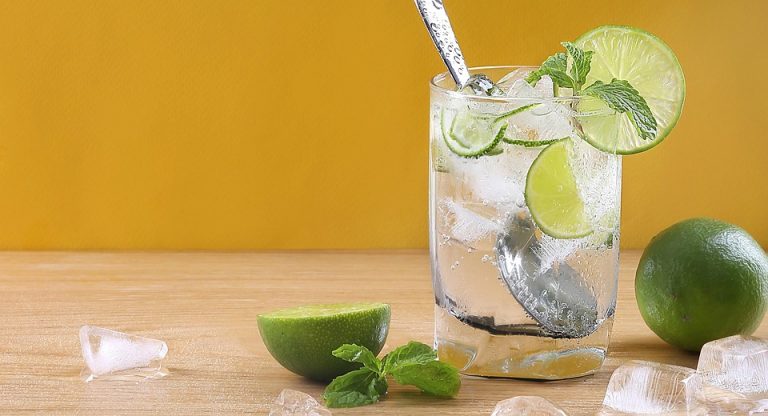

Drinking chilled beverages, especially ice water, has become a common practice for many individuals seeking refreshment. However, this seemingly harmless habit may disrupt the digestive process in ways that are often overlooked. When cold water is consumed, it can cause the blood vessels in the stomach to constrict. This constriction can impact the efficiency of digestion, slowing down the breakdown of food and nutrient absorption. As a result, discomfort, bloating, and even digestive issues may arise.

Exploring the effects of chilled drinks on digestion opens up a broader conversation about how temperature interacts with our bodily functions. The digestive system operates optimally at a specific temperature range. Introducing cold liquids can alter this balance, leading to suboptimal digestive processes. This raises an important question about whether the temporary relief from thirst is worth the potential long-term effects on digestive health.
Additionally, many people may not recognize the role that temperature plays in enzymatic activity within the stomach. Enzymes, which are crucial for breaking down food, function best within a narrow temperature range. Cold drinks might inhibit these enzymes, leading to incomplete digestion and subsequent discomfort. Understanding these mechanisms can empower individuals to make informed choices about their hydration practices.
This guide aims to provide a comprehensive exploration of how chilled drinks, particularly ice water, can affect digestion. By examining practical applications, common mistakes, scientific evidence, and lifestyle considerations, readers will gain valuable insights into optimizing their digestive health while enjoying their beverages.
Contents
How to Use Warm Liquids for Real Results
- Best Form: Warm herbal teas or room temperature water
- Best Time: Before meals
- Expected Result: Enhanced digestion and reduced discomfort
For Daily Hydration
The Prep: Choose a herbal tea, such as peppermint or ginger, known for its digestive benefits. Boil water and allow it to cool slightly before pouring it over the tea bag or loose leaves. This ensures the drink is warm, not boiling.
The Action: Once the tea is prepared, sip it slowly about 30 minutes before meals. This practice helps stimulate digestive enzymes and prepares the stomach for food intake.
The Feeling: Expect a soothing warmth in the stomach that lasts for about an hour. This sensation often leads to a more comfortable eating experience, reducing bloating and discomfort.
Pro Tip: Experiment with different herbal teas to find the flavor that suits your palate while maximizing digestive benefits.
Targeting Digestive Discomfort
The Prep: Prepare a warm glass of water with a slice of lemon. The acidity from the lemon can further aid digestion while the warmth helps relax the stomach muscles.
The Action: Drink this mixture first thing in the morning on an empty stomach. This practice can help kickstart digestion for the day ahead.
The Feeling: You may feel a gentle warmth spreading through your digestive tract. This sensation can last for several hours, promoting a sense of lightness and comfort.
Pro Tip: For added benefits, consider adding a teaspoon of honey to your lemon water for its soothing properties.
The Evening Relaxation Routine
The Prep: Brew a cup of chamomile tea, known for its calming effects. Allow the tea to steep for the recommended time to extract its full flavor and benefits.
The Action: Drink this tea an hour before bedtime. The warmth of the tea can help relax both the mind and body, preparing you for restful sleep.
The Feeling: A calming sensation will envelop you, often leading to a feeling of tranquility. This may help alleviate any digestive discomfort from the day, allowing for a more peaceful night’s sleep.
Pro Tip: Pair your evening tea with a light snack, such as whole grain crackers, to further support digestion overnight.
Common Errors to Avoid When Hydrating
Consuming Ice-Cold Beverages
Many individuals reach for ice-cold drinks without considering the impact on their digestive system. Consuming ice water can cause the stomach muscles to contract and slow down the digestive process. When the body is forced to warm the cold liquid, it diverts energy away from digestion, potentially leading to discomfort and bloating.
To mitigate this issue, opt for room temperature or warm beverages. This simple change can facilitate smoother digestion and enhance nutrient absorption.
Overlooking Timing
Drinking cold beverages immediately before or during meals can hinder digestion. Cold liquids can solidify fats in the food, making it more difficult for enzymes to break them down. This can lead to feelings of heaviness and discomfort after eating.
To avoid this pitfall, consider drinking warm liquids 30 minutes before meals. This timing allows the digestive system to prepare for incoming food, promoting better breakdown and absorption of nutrients.
Ignoring Personal Sensitivities
Everyone’s body reacts differently to temperature changes. Some individuals may experience heightened sensitivity to cold beverages, leading to digestive discomfort. Ignoring these personal responses can exacerbate underlying digestive issues.
Listening to your body is crucial. If you notice discomfort after consuming chilled drinks, it may be wise to limit their intake. Instead, focus on warm or room temperature options that align better with your body’s needs.
The Biological Mechanisms at Play
The digestive system operates at an optimal temperature for enzymatic activity. When cold beverages enter the system, they can disrupt this balance. The stomach functions best when the temperature is warm, as this encourages the dilation of blood vessels and promotes efficient nutrient absorption. Cold drinks can cause vasoconstriction, which hinders blood flow and slows down digestion.
Key compounds such as amylase, pepsin, and lipase are essential for breaking down carbohydrates, proteins, and fats, respectively. These enzymes have specific temperature ranges within which they operate effectively. Cold liquids can inhibit their activity, leading to incomplete digestion and subsequent discomfort.
Research has indicated that consuming cold beverages can lead to gastrointestinal distress. A study found that individuals who consumed cold drinks experienced increased gastric emptying times compared to those who consumed warm liquids. For further details, you can explore the findings on PubMed.
Choosing the Right Beverage for Digestive Health
– **Potency:** Look for herbal teas with proven digestive benefits. Higher potency often translates to more effective results.
-
Purity: Choose products that are free from additives and preservatives. Pure ingredients ensure that you receive the full health benefits without any unwanted substances.
-
Form: Consider loose leaf teas as they often contain higher quality ingredients compared to pre-packaged tea bags. This can enhance flavor and effectiveness.
Benefits vs Risks
| The Benefits | Potential Downsides |
|---|---|
| Improved digestion with warm beverages | Discomfort from consuming cold drinks |
| Enhanced nutrient absorption | Possible bloating from chilled beverages |
| Soothing effects of herbal teas | Limited enjoyment of cold drinks |
Supporting Habits for Optimal Digestion
Incorporating mindful eating practices can significantly improve digestion. Chewing food thoroughly and eating slowly allows the body to produce the necessary digestive enzymes effectively. This practice prepares the digestive system for optimal nutrient absorption.
Regular physical activity also plays a crucial role in digestive health. Engaging in moderate exercise can stimulate the digestive system, promoting better movement of food through the gastrointestinal tract.
Who Should Avoid This?
– Individuals with digestive disorders such as irritable bowel syndrome (IBS)
– Those who experience frequent bloating or gastrointestinal discomfort
– People who have undergone digestive surgeries may need to avoid cold beverages
– Pregnant women may also find that cold drinks exacerbate nausea
Common Questions
Does drinking warm water really improve digestion?
Yes, warm water can enhance digestion by promoting blood flow and enzyme activity in the stomach.
Can cold beverages cause stomach cramps?
For some individuals, consuming cold drinks can lead to stomach cramps due to the constriction of blood vessels in the digestive tract.
Is it better to drink room temperature water?
Room temperature water is often easier on the digestive system, allowing for better absorption and processing of nutrients.
How can I improve my digestion naturally?
Incorporating warm herbal teas, eating mindfully, and staying active are effective natural strategies for enhancing digestion.
Final Thoughts
Making informed choices about beverage temperature can significantly impact digestive health. Prioritizing warm liquids may alleviate discomfort and promote better nutrient absorption.
- The Truth: Cold beverages can disrupt digestion for some individuals.
- The Strategy: Warm liquids are best consumed before meals.
- The Next Step: Incorporate herbal teas into your routine for added benefits.
Get Your FREE Natural Health Guide!
Subscribe now and receive our exclusive ebook packed with natural health tips, practical wellness advice, and easy lifestyle changes, delivered straight to your inbox.