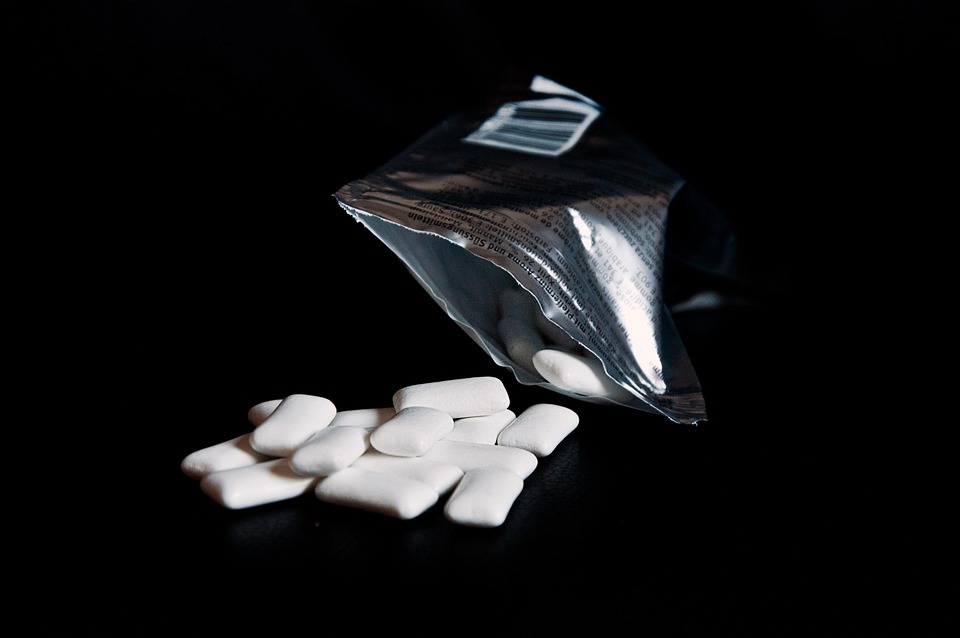

Chewing gum has long been a popular pastime and a convenient way to freshen breath. However, it also serves a practical purpose that many people overlook: relieving ear pressure. This issue can arise during flight, driving through mountain passes, or even when experiencing sinus congestion. The discomfort caused by ear pressure can lead to a range of symptoms, from mild annoyance to severe pain.

For those who frequently experience this discomfort, finding effective solutions is essential. Chewing gum offers a simple, accessible method to help equalize pressure in the ears. The act of chewing stimulates the muscles that open the Eustachian tubes, which connect the middle ear to the back of the throat. This connection is crucial for maintaining equal air pressure on both sides of the eardrum.
Understanding the mechanics behind this remedy allows individuals to take proactive steps when they anticipate changes in ear pressure. Not only is chewing gum a practical solution, but it also adds an enjoyable element to the experience. The flavors and textures of various gums can make the process more pleasant, transforming a potentially uncomfortable situation into a manageable one.
As we explore the benefits, applications, and science behind using chewing gum for ear pressure relief, it becomes clear that this everyday item has more to offer than just flavor and freshness.
Contents
How to Use Chewing Gum for Real Results
- Best Form: Sugar-free chewing gum
- Best Time: During ascent and descent in flights, or when experiencing sinus discomfort
- Expected Result: Relief from ear pressure and discomfort
For Daily Protection
The prep involves selecting a sugar-free gum that you enjoy. Look for options that contain xylitol, as this ingredient can further benefit oral health. Have a pack handy in your bag or car for easy access.
During activities that often lead to ear pressure, such as driving through hilly terrain, begin chewing the gum before you anticipate any discomfort. Chew steadily, allowing the repetitive motion to stimulate the muscles around the Eustachian tubes.
The feeling you get while chewing is often one of gradual relief. Initially, you may notice a mild tingling sensation in your ears as the pressure begins to equalize. This sensation can last for several minutes, providing comfort during the transition.
Pro Tip: Keep a pack of gum in your pocket or bag for spontaneous trips to help manage ear pressure effectively.
Targeting Acute Pain
To prepare for acute situations, have a pack of your favorite gum ready when you know you will be in an environment that may cause ear pressure changes, such as an airplane.
Once you are in the air or on a rapid descent, start chewing immediately. This proactive approach can help prevent discomfort before it escalates. Chew consistently, focusing on the rhythmic motion to encourage the opening of your Eustachian tubes.
As you chew, you might notice a pop or crackle in your ears, indicating that the pressure is equalizing. This sensation may be accompanied by immediate relief from any discomfort you were feeling, making the experience much more bearable.
Pro Tip: Chew gum continuously during takeoff and landing to maximize the benefits and minimize discomfort.
The Nighttime Routine
For late-night travel or situations where you expect ear pressure changes, prepare by keeping a pack of gum on your bedside table. This way, you can quickly access it if you begin to feel discomfort while trying to sleep.
When you feel the pressure building in your ears, start chewing the gum. The act of chewing at this time can help open the Eustachian tubes and alleviate discomfort. Continue chewing for a few minutes, allowing your body to adjust.
You may feel a soothing sensation as the pressure begins to normalize, allowing you to drift back into a more comfortable sleep. The calming act of chewing can also help distract from the discomfort, making it easier to relax.
Pro Tip: If you travel frequently, consider incorporating gum into your nightly routine to prepare for potential discomfort from ear pressure.
Avoiding Common Errors
Purchasing Low-Quality Gum
Many individuals overlook the importance of selecting high-quality chewing gum. Low-quality options often contain artificial sweeteners and additives that may not provide the same benefits. These ingredients can also lead to digestive discomfort or other health issues.
Choosing a reputable brand that offers sugar-free options with natural ingredients ensures that you are not only addressing ear pressure but also taking care of your overall health. Look for gum that contains xylitol, which can also support oral health and reduce cavities.
By investing in quality gum, you enhance your chances of achieving effective ear pressure relief while avoiding unnecessary health risks.
Neglecting Timing
Timing is crucial when using chewing gum for ear pressure relief. Some people chew gum only after they feel discomfort, which can be too late for effective relief.
It’s essential to anticipate situations that may lead to ear pressure changes. Start chewing before you encounter these situations, such as during takeoff or when driving through mountainous areas. This proactive approach helps your body adapt and can prevent discomfort from arising in the first place.
By understanding the importance of timing, you can maximize the benefits of chewing gum and enjoy a more comfortable experience.
Over-Chewing
While chewing gum can provide relief, overdoing it can lead to jaw fatigue or discomfort. Some individuals may chew gum excessively without realizing the strain it puts on their jaw muscles.
Moderation is key. Chew just enough to stimulate the Eustachian tubes without overexerting your jaw. If you find yourself chewing for an extended period, take breaks to prevent discomfort and allow your jaw to rest.
Being mindful of how much you chew ensures that you reap the benefits without experiencing additional discomfort.
The Mechanism Behind Relief
Understanding the biological mechanism behind ear pressure relief through chewing gum is essential. The Eustachian tubes play a crucial role in equalizing pressure between the atmosphere and the middle ear. When these tubes are blocked or not functioning properly, pressure builds up, causing discomfort.
Chewing gum activates the muscles around the Eustachian tubes, promoting their opening. This action allows air to flow in and out of the middle ear, effectively equalizing pressure. The rhythmic motion of chewing stimulates the muscles responsible for this function, providing immediate relief.
One of the key compounds in gum, particularly xylitol, can further enhance this process. Xylitol helps maintain moisture in the mouth and can reduce the risk of infections that may lead to Eustachian tube dysfunction.
For clinical evidence supporting the efficacy of chewing gum for ear pressure relief, refer to this PubMed search that highlights relevant studies and findings.
Choosing the Right Product
– **Potency:** Select gum that is sugar-free and contains beneficial ingredients like xylitol. This ensures that you are not adding unnecessary sugars to your diet while also promoting oral health.
-
Purity: Look for products that use natural flavors and avoid artificial additives. High-quality ingredients contribute to a more effective and healthier chewing experience.
-
Form: Sugar-free gum typically comes in various flavors and textures. Choose a form that you enjoy, as this will encourage consistent use when needed.
Benefits vs Risks
| The Benefits | Potential Downsides |
|---|---|
| Ease of use and accessibility | Possible jaw fatigue from excessive chewing |
| Stimulates Eustachian tube function | May contain artificial sweeteners |
| Can improve oral health | Not effective for everyone |
Complementary Lifestyle Habits
Incorporating regular hydration into your routine can support overall ear health. Staying well-hydrated helps keep mucous membranes moist, making it easier for Eustachian tubes to function properly.
Practicing deep breathing exercises can also benefit ear pressure management. These exercises help promote relaxation and can aid in the equalization of pressure in the ears, especially during stressful situations such as flying.
Who Should Avoid This?
– Individuals with temporomandibular joint (TMJ) disorders
– Those who have dental issues or sensitivity
– People with specific allergies to gum ingredients
– Individuals with gastrointestinal issues related to chewing gum
Common Questions
Can chewing gum help with sinus pressure?
Yes, chewing gum can help relieve sinus pressure by promoting the opening of the Eustachian tubes, allowing for better drainage and pressure equalization.
How long should I chew gum for ear pressure relief?
Chew gum for at least 5 to 10 minutes during activities that may cause ear pressure changes, such as flying or driving in hilly areas.
Is there a specific type of gum that works better?
Sugar-free gum containing xylitol is often recommended as it may offer additional oral health benefits while providing relief.
Can children use chewing gum for ear pressure relief?
Yes, children can use chewing gum for ear pressure relief, but ensure that they are old enough to chew safely and without swallowing it.
Final Thoughts
Chewing gum can be an effective and enjoyable method for alleviating ear pressure discomfort.
- The Truth: Chewing gum may not work for everyone and should be combined with other strategies for best results.
- The Strategy: Chew gum proactively during known pressure changes to maximize its benefits.
- The Next Step: Incorporate regular hydration and breathing exercises into your routine for additional support.
Get Your FREE Natural Health Guide!
Subscribe now and receive our exclusive ebook packed with natural health tips, practical wellness advice, and easy lifestyle changes, delivered straight to your inbox.