Understanding Chronic Eczema And The Role Of Healthy Fats In Skin Health
Most of us grapple with the persistent irritation of dry and inflamed skin patches at some point during the year. These reactive areas often signal that the outer barrier of our body needs extra support to maintain moisture. The condition commonly known as atopic dermatitis creates a cycle of discomfort that feels difficult to manage.
Science suggests that our skin cells rely on a steady supply of specific lipids to keep water trapped inside where it belongs. When these lipid layers weaken, the skin loses its natural defense against environmental irritants. Strengthening this barrier from the inside out remains a primary interest for many people seeking long term skin comfort.
Can Healthy Fats Provide Relief For Chronic Eczema? Current evidence points to dietary lipid intake as a significant factor in how well the skin retains moisture and calms systemic inflammation. Focusing on specific fatty acids helps support the structural integrity of the dermal barrier for better overall resilience.
Key Takeaways
- Clinical data suggests that adequate intake of omega 3 fatty acids correlates with reduced redness and itching in individuals struggling with skin barrier dysfunction.
- The human epidermis contains high concentrations of essential fatty acids that turn over every 28 days on average.
- Research from the National Institutes of Health highlights the essential role of lipid consumption in maintaining cell membrane fluidity.
Essential Fatty Acids And Skin Barrier Function
The skin acts as our primary shield against the external world. Healthy oils provide the building blocks necessary for skin cells to stick together. Think of these lipids as the mortar between the bricks of your skin.
When the body lacks these vital nutrients, the barrier becomes porous. This leakage allows moisture to escape and invaders to enter. MedlinePlus health resources note that genetic factors combined with environmental triggers often exacerbate these structural gaps. Ensuring a consistent supply of healthy lipids helps seal these microscopic openings.
Diets low in beneficial oils often result in brittle or tight feeling skin. Prioritizing foods rich in polyunsaturated fats creates a more supple surface. This simple shift supports the natural process of hydration throughout the deeper layers of the epidermis.
Nutrient Profiles For Improved Skin Resilience
Not all fats support the skin with the same level of efficiency. Our cells prioritize specific chain lengths for structural repair. The following table illustrates common sources and their roles.
| Source | Primary Lipid | Skin Benefit |
| Wild Salmon | Omega 3 Acids | Reduces skin redness |
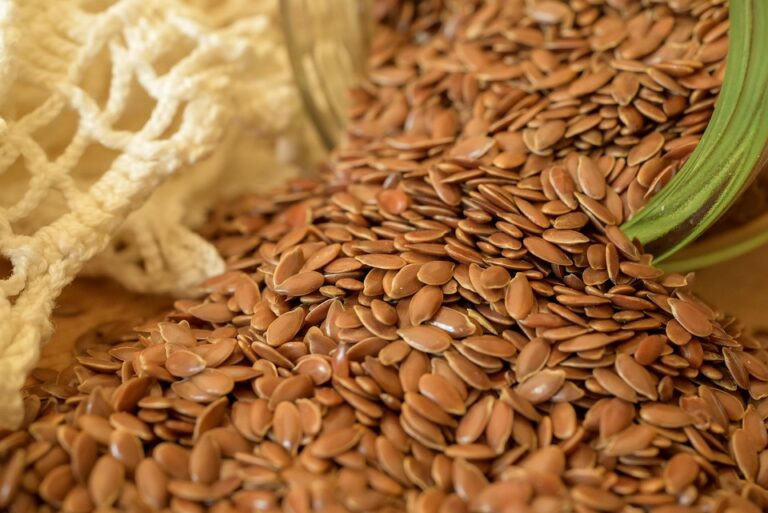
| Flax Seeds | Alpha Linolenic Acid | Supports moisture retention |
| Walnut Oils | Polyunsaturated Fats | Enhances barrier strength |
The Science Of Lipid Metabolism
Once consumed, fats undergo a conversion process in the liver. These molecules travel through the bloodstream to reach the skin cells. Proper circulation ensures that these nutrients arrive at their final destination efficiently.
Inflammatory markers often dictate how our skin responds to stimuli. Research from the National Library of Medicine explains how metabolic pathways regulate skin health at the cellular level. Balancing your intake helps quiet these signals before they result in visible surface irritation.
Avoid processed vegetable oils that contain high levels of pro inflammatory compounds. These options often disrupt the natural balance of your lipid profile. Stick to whole food sources for the most direct biological impact.
Practical Application For Your Daily Diet
Building a plate for skin health involves intentional choices. Focus on these three areas to increase your intake of supportive nutrients.
- Cold Pressed Oils: Add a tablespoon of extra virgin olive oil to your meals after cooking. Heat degrades the quality of delicate fatty acids.
- Whole Seeds And Nuts: Incorporate chia or hemp seeds into morning bowls to provide a steady supply of structural lipids. These foods pack dense nutrition in small volumes.
- Sourcing Quality Proteins: Choose pasture raised eggs and cold water fish to get balanced proportions of animal based fats. These sources provide ready to use components for your skin cells.
Frequently Asked Questions
Does eating more oil make the skin look greasy?
Consuming high quality fats does not lead to an oily complexion. The body processes these nutrients for internal structural repair rather than secreting them through the pores. Balanced lipid intake actually helps regulate the natural oil production of the skin.
Individuals who maintain steady levels of healthy fats often find their skin feels more balanced. This hydration effect prevents the overproduction of sebum that happens when the skin feels dry. You gain a healthy glow instead of a greasy appearance.
How long until nutritional changes affect skin health?
The turnover rate of skin cells averages around one month. You should wait at least four to six weeks to observe changes in skin texture. Patience remains vital when adjusting dietary habits for long term outcomes.
Consistency ensures that new skin cells have the required materials as they move to the surface. Short term experiments rarely provide enough time for the full effect of these dietary shifts. Monitor your progress by taking periodic notes on skin sensations.
Can plant based sources replace fish based fats?
Plant based sources provide essential alpha linolenic acid that the body can convert into longer chain fats. While this conversion process has limits, it serves as a viable path for many people. Focus on a variety of seeds and nuts to optimize your intake.
Combine flax seeds with walnuts to cover a wider spectrum of beneficial compounds. Ensuring adequate intake of these building blocks supports the skin barrier effectively. This approach works well for those who prefer to avoid animal products.
Should I avoid all saturated fats for better skin health?
Not every saturated fat carries the same impact on skin condition. Moderation is key rather than elimination. Focus on high quality sources like coconut or grass fed butter in small quantities while prioritizing unsaturated fats.
The goal involves creating a diverse lipid profile for your cells to utilize. Restricting entire food groups often leads to nutritional gaps that affect skin elasticity. Keep the focus on diversity and whole food quality.
Are supplements a better option than food?
Whole foods offer a complex matrix of nutrients that work together. Supplements often lack the cofactors that help the body absorb and utilize fats effectively. Use supplements only as a bridge for specific needs rather than a primary foundation.
Rely on your daily meals to supply the bulk of your structural support. This method provides the most stable influence on your internal environment. Real food remains the most reliable way to feed your skin.
The Bottom Line
Supporting your skin through nutrition offers a foundational way to address surface sensitivity. Chronic eczema and the role of healthy fats highlight the importance of internal lipid balance. Consuming high quality sources of fatty acids creates a stronger shield for your body.
Never stop or change any medication without consulting the provider who recommended it. Start by incorporating one serving of omega rich foods into your daily routine to monitor how your skin responds over the coming month.
This advice is not intended for individuals with acute skin infections or severe allergic reactions that require immediate medical attention. Consult a licensed healthcare provider before starting any new wellness routine.
Get Your FREE Natural Health Guide!
Subscribe now and receive our exclusive ebook packed with natural health tips, practical wellness advice, and easy lifestyle changes, delivered straight to your inbox.