
Performance anxiety often manifests in various situations, from public speaking to athletic competitions. The physical symptoms can include rapid heartbeat, sweating, and even a sense of impending doom. These reactions stem from the body’s fight-or-flight response, which can be overwhelming and counterproductive. Finding effective strategies to calm nerves is essential for anyone looking to perform at their best.
Meditation has emerged as a powerful tool for managing anxiety. It creates a mental space that allows you to detach from anxious thoughts and focus on the present moment. This practice not only reduces immediate stress but also builds resilience over time. Incorporating meditation into your routine can transform your relationship with anxiety, allowing you to face challenges with a sense of calm and confidence.
This guide will explore practical meditation techniques specifically designed to alleviate performance anxiety. You will learn actionable steps to integrate these practices into your life, making it easier to manage anxiety when it matters most. Understanding the underlying mechanisms will further empower you to use meditation effectively.
By the end of this guide, you will have a comprehensive toolkit for calming your nerves through meditation. Let’s dive into these techniques and discover how they can help you excel in high-pressure situations.
Contents
How to Use Meditation for Real Results
- Best Form: Guided meditation audio
- Best Time: 10-15 minutes before a performance
- Expected Result: Reduced anxiety and improved focus
For Daily Protection
The Prep: Begin by selecting a quiet space where you can sit comfortably. Gather a comfortable cushion or chair. You might want to use noise-canceling headphones to help block out distractions. Consider using calming essential oils like lavender or chamomile to enhance the atmosphere.
The Action: Start by closing your eyes and taking deep, slow breaths. Inhale through your nose for a count of four, hold for four, then exhale through your mouth for a count of six. Repeat this for several cycles. Once you feel centered, visualize a calming scene, like a serene beach or a tranquil forest. Focus on the details of this scene to anchor your mind.
The Feeling: As you practice, you may notice a tingling sensation in your fingertips or a gentle warmth spreading through your body. These sensations often indicate that your body is shifting into a more relaxed state. This feeling can last for several minutes, allowing you to carry the calm into your daily activities. Pro Tip: Consistency is key; try to practice this daily for the best results.
Targeting Acute Stress
The Prep: Choose a comfortable location where you will not be disturbed. Have a timer set for five to ten minutes. You might want to have a glass of water nearby. Consider using a meditation app that offers quick sessions tailored for anxiety relief.
The Action: Begin with deep breathing as before. When you feel calm, shift your focus to the sensations in your body. Notice where you hold tension, such as your shoulders or jaw. As you breathe, imagine sending your breath to those areas, softening and releasing any tightness. Use a mantra that resonates with you, such as “I am calm” or “I am in control.”
The Feeling: You may experience a sense of heaviness in your limbs as tension releases. This can be accompanied by a feeling of lightness in your chest and a clearer mind. This state can last well beyond your meditation session, helping you respond more calmly to stressors. Pro Tip: Use this technique immediately before high-pressure situations for maximum effect.
The Nighttime Routine
The Prep: Create a calming environment in your bedroom by dimming the lights and eliminating distractions. You may want to play soft background music or nature sounds. Having a journal to jot down your thoughts can also help clear your mind before meditation.
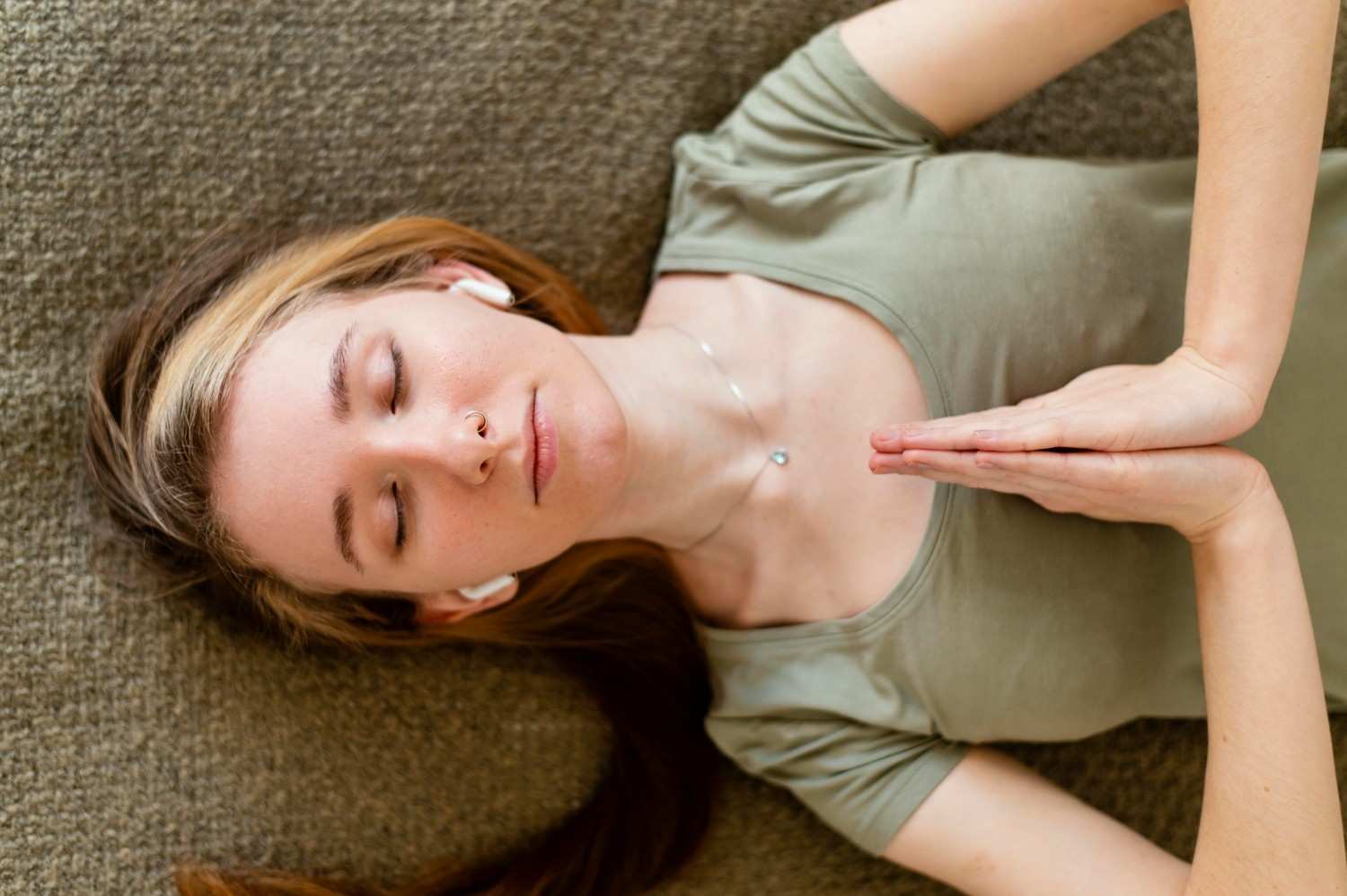
The Action: Start your nighttime meditation by lying down comfortably. Focus on your breath, allowing each exhale to release the day’s stress. Visualize a peaceful scene, and as you drift deeper into relaxation, let go of any lingering thoughts about tomorrow. You can also practice gratitude by reflecting on three positive moments from your day.
The Feeling: As you practice, you may feel a gradual heaviness in your body, signaling that you are ready to sleep. This calming sensation can help you transition smoothly into rest, often leading to a deeper and more restorative sleep. Pro Tip: Aim to meditate at the same time each night to establish a calming routine.
Avoiding Common Pitfalls in Meditation
Neglecting Consistency
Many people try meditation sporadically and expect immediate results. This lack of consistency can lead to frustration and diminished benefits. Regular practice is essential for building a strong foundation and reaping the long-term rewards of meditation.
To address this, create a meditation schedule that fits into your daily routine. Whether it is first thing in the morning or right before bed, make it a non-negotiable part of your day. Over time, you will notice significant improvements in your ability to manage anxiety.
Skipping Preparation
Entering a meditation session without proper preparation can hinder your experience. A cluttered environment or distractions can divert your focus, making it difficult to achieve a calm state. Setting the stage for meditation is crucial for maximizing its effectiveness.
To enhance your meditation experience, take a few moments to create a peaceful environment. Clear away clutter, dim the lights, and consider lighting a candle or using aromatherapy. These small steps can significantly enhance your focus and relaxation.
Ignoring Your Body’s Signals
Some individuals push through discomfort during meditation, thinking they need to “tough it out.” This approach can lead to frustration and even increased anxiety. Listening to your body is vital for a successful meditation practice.
If you find yourself feeling restless or anxious, take a moment to adjust your position or change your focus. You may need to switch to a different technique that feels more comfortable. A flexible approach ensures that you are meeting your body’s needs during meditation.
Understanding the Mechanism Behind Meditation
Meditation impacts the body on several levels. It triggers the relaxation response, a physiological state opposite to the stress response. This involves decreased heart rate, lower blood pressure, and reduced muscle tension. The brain also undergoes changes, with increased activity in areas associated with emotional regulation and reduced activity in the amygdala, the brain’s fear center.
One of the key compounds involved in this process is cortisol. This stress hormone tends to spike during anxiety-inducing situations. Regular meditation practice has been shown to lower cortisol levels, leading to a more relaxed state and improved emotional resilience.
Research supports the effectiveness of meditation in reducing anxiety. A meta-analysis published in the journal PubMed found that mindfulness meditation significantly decreased anxiety levels among participants. These findings underscore the importance of incorporating meditation into your wellness routine.
Choosing the Right Meditation Practice
- Potency: Select guided meditations that are specifically designed for anxiety relief. Effective sessions can significantly impact your ability to manage performance anxiety.
- Purity: Ensure that the meditation content is free from distractions and focuses on calming techniques. High-quality audio can enhance your experience.
- Form: Choose a format that fits your lifestyle, whether it is an app, a live class, or audio recordings. The right format can make it easier to integrate meditation into your routine.
Weighing the Benefits and Risks
| The Benefits | Potential Downsides |
|---|---|
| Reduces anxiety and stress levels. | Initial discomfort as you adjust to the practice. |
| Improves focus and emotional regulation. | May require time and patience to see results. |
| Enhances overall well-being and resilience. | Not a substitute for professional help in severe cases. |
Incorporating Supportive Habits
Regular physical activity can significantly enhance the effectiveness of meditation. Exercise releases endorphins, which help to improve mood and reduce anxiety. Aim for at least 30 minutes of moderate exercise most days of the week.
Establishing a healthy sleep routine is equally important. Sleep deprivation can exacerbate anxiety and reduce the effectiveness of meditation. Prioritize getting seven to nine hours of quality sleep each night to support your mental health.
Who Should Avoid This?
- Individuals with severe anxiety disorders without professional guidance.
- Those currently experiencing a mental health crisis.
- People with a history of trauma who may find meditation triggering.
Common Questions
How long should I meditate to see results?
Even a few minutes daily can yield benefits. However, consistency over weeks or months is key for long-term results.
Can I meditate if I have a busy schedule?
Absolutely. Short sessions of five to ten minutes can be effective, and you can fit them into your daily routine.
What if I find it hard to focus during meditation?
It is normal for the mind to wander. Acknowledge the thoughts and gently bring your focus back to your breath or visualization.
Is guided meditation better than self-led meditation?
Guided meditation can be helpful, especially for beginners. It provides structure and guidance, making it easier to stay focused.
The Bottom Line
Meditation can be a powerful tool for managing performance anxiety.
- The Truth: It may take time to see the full benefits.
- The Strategy: Aim to practice daily, especially before high-pressure situations.
- The Next Step: Consider pairing meditation with exercise for enhanced results.
Get Your FREE Natural Health Guide!
Subscribe now and receive our exclusive ebook packed with natural health tips, practical wellness advice, and easy lifestyle changes, delivered straight to your inbox.