Practical Approaches For Reducing Stress For Female Intimacy
Modern life demands constant attention from every direction. Many women juggle work and personal responsibilities while trying to maintain deep emotional connections. This balancing act often leaves little room for the mental relaxation required for genuine closeness.
Physical affection thrives on a calm nervous system. When the brain detects a state of emergency, it prioritizes survival over romantic bonding. Shifting your internal state is the first step toward reclaiming your connection.
Reducing stress for female intimacy happens by lowering cortisol levels through consistent nervous system regulation and scheduled downtime. Practicing intentional breathwork and mindfulness exercises for twenty minutes daily helps the body exit a heightened state of alertness. This transition allows the parasympathetic nervous system to take control and fosters emotional availability.
Key Takeaways
- Chronic pressure elevates cortisol which can lower libido by up to 40 percent in some individuals.
- Data from the National Institutes of Health indicates that mindful awareness programs decrease emotional reactivity.
- Regular physical movement reduces resting heart rate variability by an average of 10 to 15 percent over three months.
I notice my friends often struggle to disconnect from their devices at night. Simple boundaries around technology usage usually lead to better sleep and improved relationship quality within one week.
The Physiology Of Connection
Your brain acts as the primary organ for closeness. It filters sensory input through the lens of current safety levels. When you feel threatened or overwhelmed, the amygdala signals a defensive posture.
This internal reaction limits your ability to experience pleasure. You effectively enter a guarded state where your attention stays on potential risks rather than the present moment. True bonding requires a signal of safety from your nervous system.
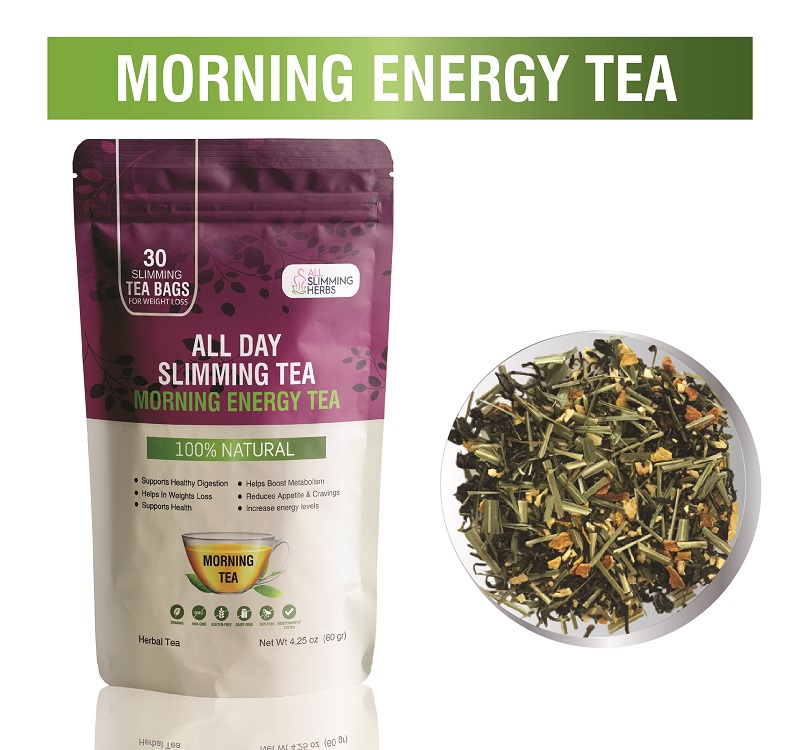
All Day Slimming Tea™ Herbal Routine
- Designed to gently support your body's natural metabolic rhythm throughout the day
- Helps maintain consistent daily vitality and steady physical balance
- Manufactured in a cGMP-compliant facility without relying on heavy coffee or synthetic stimulants
Neurobiology Of The Calm State
The vagus nerve plays a major role in your internal composure. It connects your brain to your heart and digestive system. When this nerve remains active, it sends signals of safety throughout your body.
Low vagal tone links to higher anxiety. You can activate this system by humming or slow rhythmic breathing. These actions provide immediate feedback to your brain that the environment is secure.
Hormonal Impact On Daily Mood
Cortisol operates as a natural alarm clock. When it stays high throughout the day, it blunts your sensitivity to other feel good chemicals. This hormonal imbalance makes it difficult to shift gears after a long day.
Stable levels of serotonin and dopamine support a positive mood. Managing your daily load prevents these hormones from crashing. Consistent sleep patterns are essential for maintaining this balance.
Reducing Stress For Female Intimacy Through Targeted Nutrition
The fuel you provide your body influences your internal climate. Some nutrients help dampen the spikes associated with a chaotic schedule. Proper hydration also supports steady blood flow and energy distribution.
Research from the National Institutes of Health demonstrates that adequate mineral intake regulates nerve function. Magnesium is a key player here. It helps relax tight muscles and calms the central nervous system.
| Nutrient Class | Primary Source | Role In Calmness |
| Magnesium | Dark Leafy Greens | Muscle Relaxation |
| Omega 3 Fats | Wild Salmon | Inflammation Control |
| Complex Carbs | Sweet Potatoes | Serotonin Support |
Movement Strategies For The Modern Woman
You do not need intense exercise to see results. Gentle, restorative movement often provides the best path to composure. Think of movement as a way to process lingering tension from your day.
- Gentle Yoga: This practice focuses on slow stretches that release physical knots. It encourages you to notice where you hold tension.
- Brisk Walking: Natural light combined with rhythmic movement clears the head. It provides a transition period between work and home life.
- Pilates: Focus on core control forces you to stay present. It requires deep focus that crowds out worries about your to do list.
The Science Of Mindful Rest
Rest is not just the absence of activity. It is an active state of recovery. Many women view rest as a luxury they cannot afford. This perception keeps the body in a state of depletion.
Defining Restorative Practices
Restorative sessions allow the body to repair tissues. You might use guided imagery or progressive muscle relaxation. These techniques signal the brain to stop scanning for problems.
Effective rest requires a specific environment. Low light and quiet help the brain wind down. These small adjustments prevent the sensory overload that feeds anxiety.
The Role Of Sleep Hygiene
Your sleep quality dictates your emotional baseline for the next day. Fragmented rest creates a cycle of irritability. Most adults require seven to nine hours of consistent sleep.
Consistency matters more than intensity here. Go to bed at the same time each night. This creates a rhythm that your body can rely upon for deeper recovery.
Practical Daily Rituals For Emotional Space
Rituals provide a structure for your time. They take the guesswork out of your evening routine. A simple sequence helps you transition away from your professional identity.
- Digital Sunset: Turn off all notifications at a fixed time each night. This prevents last minute work emails from invading your peace.
- Gratitude Journaling: Write down three things that went well during the day. This simple exercise shifts your focus away from what you missed.
- Temperature Shifts: A warm bath or shower changes your blood flow. The cooling process after a warm soak often triggers drowsiness and comfort.
Demonstrating The Calmness Formula
You can calculate your path to relaxation using a simple daily ratio. This helps you balance your energy output with your input. The goal is to avoid running a deficit by the end of the week.
The Formula: 3 Hours of Deep Work, 1 Hour of Active Recovery, 30 Minutes of Stillness. The Centers for Disease Control suggests that active recovery prevents burnout. This ratio ensures you have enough internal resources to enjoy connection.
For example, if you work from 9 AM to 5 PM, plan your active recovery for 6 PM. Take your stillness period right before bed. This structure provides a clear boundary between your output and your personal life.
Addressing Emotional Barriers To Closeness
Sometimes the obstacle is not time but perspective. Past experiences can color how we approach current interactions. Acknowledging these barriers is the first step toward resolving them.
Identifying Internal Noise
Internal noise sounds like a constant narration of your failures. It distracts you from the person sitting across from you. You must challenge these thoughts to regain your focus.
Try speaking your feelings out loud. Sharing your internal world creates a bridge for your partner to join you. Vulnerability acts as an antidote to the armor you build during a busy day.
Building Meaningful Boundaries
Boundaries protect your capacity to give. You cannot pour from an empty cup. Learn to say no to requests that drain your final reserves.
Communicate your needs clearly to those around you. Explain that you need quiet time to recharge. This is not selfish but essential for long term relational health.
Frequently Asked Questions
How does cortisol impact my ability to connect?
Cortisol is a hormone that prepares your body for a fight or flight scenario. When it remains elevated due to life pressures, it dampens the systems responsible for emotional warmth and physical openness. Your body views connection as a low priority compared to surviving immediate perceived threats.
This biological shift can make you feel numb or detached from your surroundings. Lowering your stress levels allows your body to exit this defensive loop. Once your baseline cortisol drops, your natural ability to bond returns alongside a greater capacity for joy.
Can simple breathing exercises really make a difference?
Intentional breathing provides a physical override to your nervous system. By slowing your breath, you signal to your brain that you are safe. This reduces the heart rate and sends calming signals to the rest of the body within minutes.
You do not need fancy equipment or a special location to perform this. Regular practice builds your tolerance for tension over time. Even three minutes of rhythmic breathing can shift your mood during a hectic afternoon.
Why is it so hard to turn off my brain at night?
Your brain often keeps working because it fears you will forget something important. This habit stems from modern reliance on high speed processing and constant multitasking. Without a clear shutdown signal, your mind continues to loop through unfinished tasks or future worries.
Establishing a specific wind down routine helps your brain learn that it is safe to stop. Writing down your to do list for the next day acts as a mental release. This tells your brain that these thoughts are stored and do not need to be held in your active memory.
Are there specific foods that help with emotional regulation?
Foods rich in healthy fats and complex carbohydrates support steady energy levels. Stable blood sugar is critical for maintaining an even temperament. Avoiding excessive caffeine and refined sugar prevents the energy crashes that often lead to feelings of overwhelm.
Incorporate more leafy greens and seeds to supply your body with essential minerals. These nutrients act as building blocks for mood regulating chemicals. Eating whole foods consistently creates a stable foundation for your daily mental performance.
When should I seek outside help for these issues?
You should consider speaking with a professional if you feel constantly unable to cope with daily life. If your efforts to reduce pressure produce no change in your mood or energy, a fresh perspective may be necessary. Persistence in feeling overwhelmed often points to deeper issues that require expert support.
Never ignore signs of extreme burnout or persistent sadness. You deserve to feel like yourself again. Reaching out for guidance is a sign of strength and a commitment to your long term wellness.
The Bottom Line
Reducing stress for female intimacy requires a shift in how you prioritize your own nervous system. By managing your daily inputs and adopting consistent recovery rituals, you can restore your emotional and physical availability. Small, consistent actions create the safety required for genuine connection.
This content is for educational purposes only. Individuals currently dealing with medical conditions, high risk pregnancy, or clinical mental health challenges should not rely on this guidance. Consult a licensed healthcare provider before starting any new wellness routine.
Get Your FREE Natural Health Guide!
Subscribe now and receive our exclusive ebook packed with natural health tips, practical wellness advice, and easy lifestyle changes, delivered straight to your inbox.