
Imagine waking up one morning, pulling back the curtains, and being greeted by the vivid colors of nature. The greens of the trees, the blues of the sky, and the radiant colors of blooming flowers come to life in a way that makes you appreciate the world around you. But what if I told you that your diet could significantly influence how brightly you perceive this world? Eye health is often overlooked, yet it’s incredibly important, especially as we age. So, what can we do? Let’s explore some eye-friendly foods that can help brighten your vision and keep your eyes healthy.
Contents
The Power of Nutrition for Eye Health
As someone who has spent years researching natural health remedies, I can attest to the profound impact that certain foods have on our well-being. Eye health is no exception. The eyes are complex organs that require a variety of nutrients to function optimally. Vitamins, minerals, and antioxidants play a vital role in maintaining good vision and preventing eye diseases like macular degeneration and cataracts.
Why Are Eye-Friendly Foods Important?
The eyes are constantly exposed to environmental stressors, including UV light, pollution, and digital screens. These factors can lead to oxidative stress, which may damage the retina and other parts of the eye. Incorporating specific nutrients into your diet can help combat this damage and promote overall eye health.
For instance, a study published in the American Journal of Clinical Nutrition found that diets rich in antioxidants, particularly vitamins C and E, are associated with a lower risk of cataracts. Another study from the Archives of Ophthalmology highlighted the benefits of omega-3 fatty acids in reducing the risk of dry eye syndrome. It’s fascinating how what we eat can have such a direct effect on our vision, isn’t it?
Eye-Friendly Foods to Incorporate into Your Diet
Let’s dive into some specific foods that are particularly beneficial for eye health. Incorporating these into your meals can be both delicious and nutritious.
1. Leafy Greens
Examples: Spinach, kale, collard greens
Leafy greens are powerhouses of nutrients, particularly lutein and zeaxanthin, which are carotenoids that filter harmful blue light. These compounds are found in high concentrations in the retina and are believed to protect against age-related macular degeneration (AMD).
Practical Tip: Consider adding a handful of spinach to your morning smoothie or making a kale salad for lunch. I’ve noticed that sautéing kale with garlic and olive oil brings out its flavor beautifully and makes for a delightful side dish.
2. Carrots
Why They Matter: Carrots are rich in beta-carotene, which the body converts into vitamin A. This vitamin is essential for maintaining good vision, particularly in low-light conditions.
Real-Life Insight: Growing up, I always heard that eating carrots would help me see better at night. While it might be a bit of a myth, there’s some truth to the fact that vitamin A is crucial for eye health.
Culinary Use: Try roasting carrots with honey and thyme for a sweet side dish, or blend them into a creamy soup for a comforting meal.
3. Fatty Fish
Examples: Salmon, mackerel, sardines
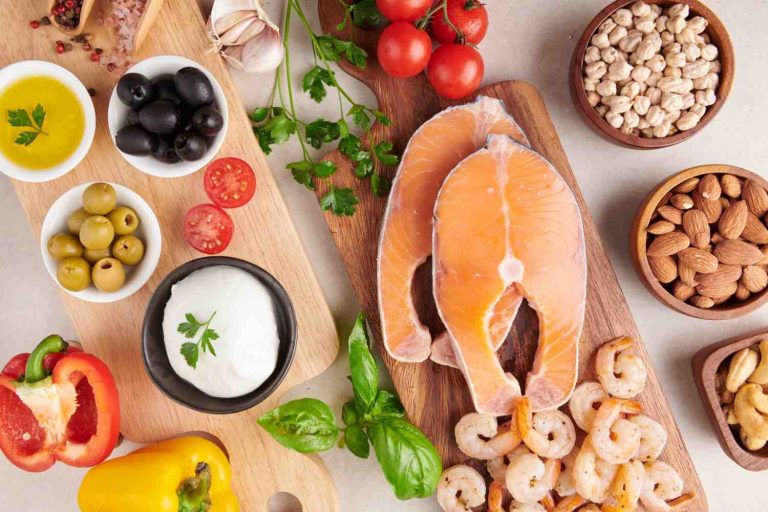
Fatty fish are excellent sources of omega-3 fatty acids, which are crucial for maintaining retina health and may help prevent dry eyes. A study from the Journal of Ophthalmology found that higher omega-3 intake was associated with a lower risk of developing AMD.
Cooking Tip: I love grilling salmon with a squeeze of lemon and a sprinkle of herbs. It not only tastes amazing but is also packed with nutrients that are great for my eyes.
4. Eggs
Eggs are another great source of lutein and zeaxanthin, as well as zinc, which may help reduce the risk of macular degeneration. The yolk is where most of these nutrients are found, so don’t skip it!
Personal Anecdote: I often enjoy eggs for breakfast, whether scrambled, poached, or in an omelet. They’re versatile and can be paired with other eye-friendly ingredients like spinach and tomatoes.
5. Berries
Examples: Blueberries, strawberries, blackberries
Berries are rich in antioxidants, particularly vitamin C, which can help fight oxidative stress in the eyes. They also contain flavonoids, which have been linked to a reduced risk of cataracts and macular degeneration.
Snack Idea: A quick and easy way to enjoy berries is to toss them into yogurt or oatmeal. I often mix a handful of blueberries into my morning oats, adding a burst of flavor that’s also good for my eyes.
6. Nuts and Seeds
Examples: Walnuts, almonds, chia seeds, flaxseeds
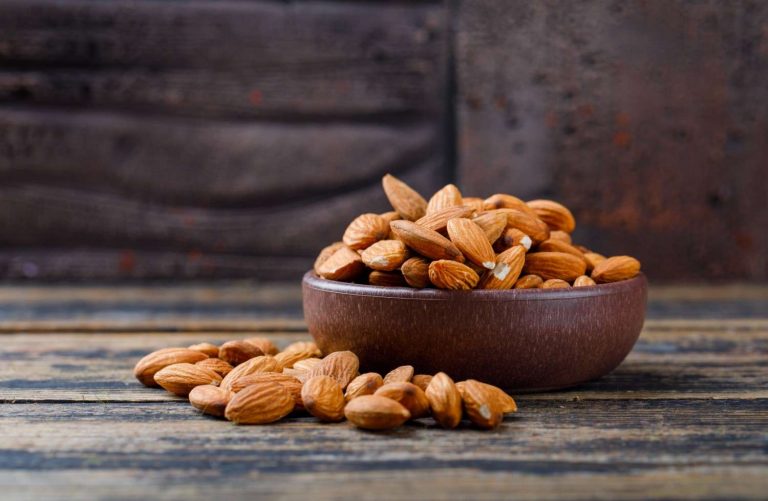
Nuts and seeds are rich in omega-3 fatty acids and vitamin E. Vitamin E is a powerful antioxidant that helps protect the eyes from oxidative damage.
Culinary Tip: I often keep a mix of nuts on hand for a quick snack. A handful of walnuts or almonds not only satisfies my hunger but also gives my eyes a healthy boost.
7. Citrus Fruits
Examples: Oranges, grapefruits, lemons
Citrus fruits are high in vitamin C, which is essential for maintaining healthy blood vessels in the eyes and may lower the risk of cataracts.
Refreshing Idea: I love starting my day with a glass of freshly squeezed orange juice. It’s a delicious way to get a dose of vitamin C and kickstart my morning.
8. Sweet Potatoes
Sweet potatoes are another source of beta-carotene, similar to carrots. They are also rich in vitamins C and E, making them a great addition to an eye-healthy diet.
Cooking Suggestion: I enjoy roasting sweet potatoes with a sprinkle of cinnamon for a warm, comforting side dish. They’re not just tasty; they’re also packed with nutrients.
9. Whole Grains
Examples: Quinoa, brown rice, whole-wheat bread
Whole grains are rich in vitamin E, zinc, and niacin—all of which contribute to healthy eyes. They also help regulate blood sugar levels, which is essential for overall health.
Meal Tip: I often swap white rice for quinoa in my salads. It not only adds texture but also boosts the nutrient content of my meals.
10. Bell Peppers
Bell peppers, especially the yellow and orange varieties, are rich in vitamins A and C, as well as antioxidants. They can help protect the eyes from oxidative stress.
Culinary Use: I love adding chopped bell peppers to stir-fries and salads for a crunch and a splash of color.
Common Mistakes to Avoid
While incorporating these eye-friendly foods into your diet is essential, there are common pitfalls to watch out for:
Overlooking Variety
Many people tend to eat the same foods repeatedly, which can lead to nutrient deficiencies. Make it a point to try new fruits and vegetables regularly. I’ve found that experimenting with different recipes keeps things interesting and ensures I’m getting a wide range of nutrients.
Ignoring Hydration
Dehydration can lead to dry eyes, so don’t forget to drink enough water. It’s easy to get caught up in focusing on food while neglecting hydration. I keep a water bottle with me throughout the day as a reminder to stay hydrated.
Relying Solely on Supplements
While supplements can be beneficial, they shouldn’t replace whole foods. Nutrients work synergistically in food, providing benefits that isolated supplements may not. I prefer to get my nutrients from a diverse diet, but I do keep a multivitamin on hand just in case.
Cultural Perspectives on Eye Health
In various cultures, traditional foods have long been recognized for their health benefits, including eye health. For instance, in Mediterranean diets, olive oil is celebrated not just for its flavor but also for its health properties. Studies have shown that Mediterranean diets, rich in fruits, vegetables, and healthy fats, are associated with a lower risk of AMD.
In Asian cultures, foods like fish and seaweed are staples, often consumed for their health benefits, including eye health. It’s interesting how cultural practices influence dietary choices that promote well-being.
The Importance of Regular Eye Exams
While diet plays a significant role in eye health, it’s also crucial to have regular eye exams. Many eye conditions can develop without noticeable symptoms. Early detection is key to preventing serious issues down the line.
Personal Reflection
I remember my first eye exam as an adult. I was surprised to learn that my vision had been deteriorating without my realizing it. Regular check-ups have since become a priority for me, and I encourage everyone to do the same.
FAQs
1. Can I improve my vision with diet alone?
While a healthy diet can significantly impact eye health, it’s essential to complement it with regular eye exams and a healthy lifestyle.
2. Are there specific foods I should avoid for better eye health?
Highly processed foods, excessive sugar, and saturated fats can negatively impact eye health. It’s best to limit these in your diet.
3. How long does it take to see improvements in eye health from diet changes?
Improvements may take time, as they depend on various factors, including your overall health and lifestyle. However, incorporating eye-friendly foods can have immediate benefits for your well-being.
4. Is it necessary to take supplements for eye health?
While supplements can be beneficial, focusing on a balanced diet rich in whole foods is generally the best approach. Consult a healthcare provider for personalized advice.
5. Can stress affect my eye health?
Yes, stress can lead to issues like dry eyes and eye strain. Managing stress through healthy habits, including diet and exercise, can help maintain eye health.
A Forward-Looking Perspective
As we continue to learn about the intricate connection between diet and eye health, it’s clear that the choices we make today can have lasting impacts on our vision. Whether you’re enjoying a colorful salad or savoring a piece of grilled salmon, remember that each bite is an opportunity to nourish your eyes.
This article is for educational purposes only and does not replace professional medical guidance. Always speak with a qualified healthcare provider before making changes to your health routine.
References
-
Mares-Perlman, J. A., et al. (2001). “Antioxidant nutrients and age-related eye diseases.” American Journal of Clinical Nutrition. Link
-
SanGiovanni, J. P., et al. (2007). “The relationship between dietary omega-3 fatty acid and age-related macular degeneration.” Archives of Ophthalmology. Link
-
Chiu, C. J., & Taylor, A. (2007). “Nutritional risk and age-related eye disease.” American Journal of Clinical Nutrition. Link
Get Your FREE Natural Health Guide!
Subscribe now and receive our exclusive ebook packed with natural health tips, practical wellness advice, and easy lifestyle changes, delivered straight to your inbox.