
In a world increasingly defined by stress and anxiety, many struggle with the invisible weight of a compromised nervous system. Conditions such as insomnia, chronic anxiety, and even depression can stem from an overstimulated nervous system. It becomes crucial to identify methods that can effectively restore balance and enhance overall well-being. One powerful tool often overlooked is the simple act of breathing.
Breath is not just a physiological necessity; it is a bridge to our emotional and mental states. By consciously regulating our breath, we can significantly influence our autonomic nervous system, which governs our body’s stress response. Deep, intentional breathing can shift our state from fight-or-flight to rest-and-digest, promoting relaxation and mental clarity. This guide will explore practical breathing techniques that can rejuvenate your nervous system.
Understanding the mechanics of breath and its profound effects on our physiology opens doors to improved mental health. Integrating specific breathing exercises into your daily routine can offer immediate relief and long-term benefits. The following sections will guide you through practical applications, common mistakes to avoid, and a deeper exploration of the science behind these techniques.
By the end of this guide, you will have actionable insights on how to breathe your way to a healthier nervous system, equipping you with the tools to reclaim your mental wellness.
Contents
How to Use Breathwork for Real Results
- Best Form: Deep diaphragmatic breathing
- Best Time: Morning or before sleep
- Expected Result: Reduced anxiety and improved focus
For Daily Protection
The Prep: Begin by finding a quiet space where you can sit comfortably. You will need to be free from distractions. Take a moment to gather your thoughts. Consider lighting a candle or using essential oils to create a calming atmosphere.
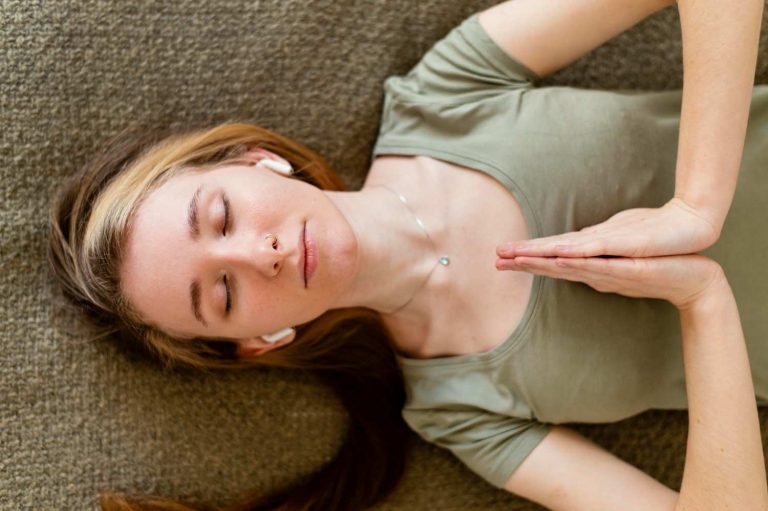
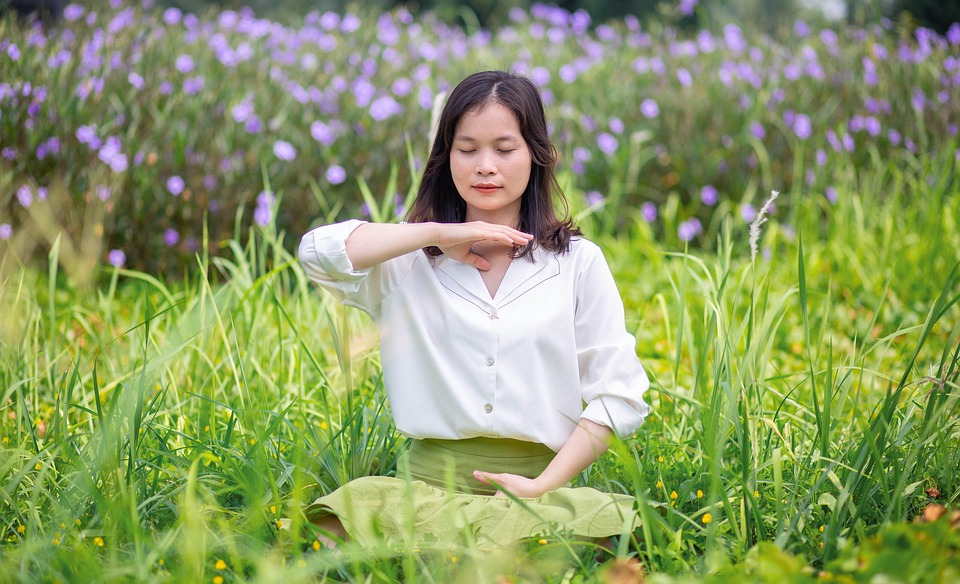
The Action: Sit upright, close your eyes, and place one hand on your abdomen. Inhale deeply through your nose, allowing your abdomen to expand. Hold the breath for a count of four, then exhale slowly through your mouth. Repeat this for five to ten minutes, focusing on the rhythm of your breath.
The Feeling: As you breathe, you may feel a gentle warmth spreading through your body. The initial tightness in your chest may begin to dissolve, replaced by a soothing sensation. This practice can leave you feeling grounded and centered for the day ahead.
Pro Tip: Practicing this technique in the morning can set a positive tone for your day, helping to mitigate stress as it arises.
Targeting Acute Anxiety
The Prep: Identify a moment of acute anxiety or stress. Find a secluded spot where you can be alone for a few minutes. Ensure you are in a comfortable position, either seated or standing.
The Action: Once settled, close your eyes and focus on your breath. Inhale for a count of four, hold for four, and exhale for six. Repeat this cycle for several minutes, visualizing the tension leaving your body with each exhale.
The Feeling: You may experience a tingling sensation as your body begins to relax. This technique can help clear your mind, allowing for a greater sense of calm and control over your emotional state.
Pro Tip: Use this technique whenever you feel overwhelmed; it can be a quick reset during a busy day.
The Nighttime Routine
The Prep: Prepare for bedtime by dimming the lights in your room and eliminating distractions. Consider playing soft music or nature sounds to aid relaxation. Ensure you are in a comfortable position in bed.
The Action: Begin with a few gentle stretches, then take deep breaths. Inhale for a count of five, hold for a count of seven, and exhale for a count of eight. Continue this pattern for ten minutes, focusing on the sound of your breath.
The Feeling: As you engage in this practice, you may notice a heaviness in your limbs as relaxation sets in. This technique can help facilitate a smoother transition into sleep, reducing the likelihood of insomnia.
Pro Tip: Incorporating this routine into your nightly ritual can signal your body that it is time to wind down.
Common Pitfalls to Avoid
Rushing Through Breathing Exercises
Many individuals approach breathing exercises with impatience, eager for immediate results. This rush can lead to shallow breathing, which defeats the purpose of the exercise. Taking time to fully engage with each breath is essential for effectiveness.
To remedy this, set aside dedicated time for your practice. Focus on the quality of your breath rather than the quantity. Allow each inhalation and exhalation to be deliberate and intentional. This mindfulness enhances the benefits of the practice.
Neglecting Your Environment
Your surroundings play a significant role in the effectiveness of breathing exercises. A noisy, cluttered, or distracting environment can hinder your ability to concentrate. It is crucial to create a calming space conducive to relaxation.
To improve your experience, choose a quiet area free from interruptions. Consider incorporating elements like soft lighting, calming colors, or soothing scents to enhance your environment. This attention to detail can greatly amplify your results.
Ignoring Physical Sensations
Many overlook the physical sensations accompanying breathing exercises. Failing to tune into these sensations can limit the potential benefits. Being aware of how your body responds is vital for deeper relaxation and stress relief.
To enhance your practice, pay close attention to how each breath feels. Notice any areas of tension or relaxation in your body. This awareness allows for a more profound connection to your breath and can lead to more significant emotional release.
The Mechanisms Behind Breath and the Nervous System
Breathing is intricately linked to our autonomic nervous system, which regulates involuntary bodily functions. The two branches of this system, the sympathetic and parasympathetic, work in opposition. The sympathetic nervous system triggers the fight-or-flight response, while the parasympathetic system promotes rest and relaxation.
When we engage in deep breathing, we activate the parasympathetic nervous system. This activation leads to a decrease in heart rate and blood pressure, promoting a state of calm. The simple act of inhaling deeply sends signals to the brain that it is safe to relax.
Research supports the benefits of breathwork for mental health. A study published in the journal *Frontiers in Psychology* highlighted the effectiveness of breathing techniques in reducing anxiety and improving emotional regulation. For more information, refer to the study on PubMed here.
Choosing the Right Product
- Potency: Higher potency products often deliver more significant effects. This is crucial for addressing acute anxiety.
- Purity: Ensure that products are free from contaminants and additives. This matters because impurities can interfere with the desired effects.
- Form: Different forms, such as oils or capsules, may affect absorption. Choosing the right form can enhance the overall efficacy of the product.
Benefits vs Risks
| The Benefits | Potential Downsides |
|---|---|
| Promotes relaxation and reduces stress | May cause dizziness if done improperly |
| Enhances emotional regulation | Not a substitute for professional treatment |
| Accessible and easy to practice anywhere | Requires consistency for lasting results |
Habits to Enhance Your Practice
Incorporating mindfulness into your daily routine can significantly enhance the benefits of breathwork. Practicing mindfulness helps you become more aware of your thoughts and feelings, which can reduce anxiety.
Regular physical activity also plays a crucial role in supporting your nervous system. Engaging in activities like yoga or tai chi can complement your breathing exercises, promoting overall well-being.
Who Should Avoid This?
- Individuals with respiratory conditions such as asthma
- Those with a history of panic attacks
- People with certain cardiovascular issues
- Pregnant individuals without medical advice
Common Questions
How often should I practice breathing exercises?
For optimal results, aim to practice daily, even if only for a few minutes. Consistency is key.
Can breathing techniques replace medication?
While they can be a helpful complementary strategy, they should not replace prescribed medication without consulting a healthcare provider.
What is the best time to practice?
Morning and evening are ideal times, as they can set a positive tone for the day and promote relaxation before sleep.
Will I notice immediate results?
Some may experience immediate relief, while others may require consistent practice to notice significant changes.
The Bottom Line
Breathwork can be a powerful ally in improving your nervous system health.
- The Truth: Results may vary from person to person.
- The Strategy: Incorporating breathwork into daily routines yields the best results.
- The Next Step: Consider pairing breathing exercises with mindfulness practices.
Get Your FREE Natural Health Guide!
Subscribe now and receive our exclusive ebook packed with natural health tips, practical wellness advice, and easy lifestyle changes, delivered straight to your inbox.