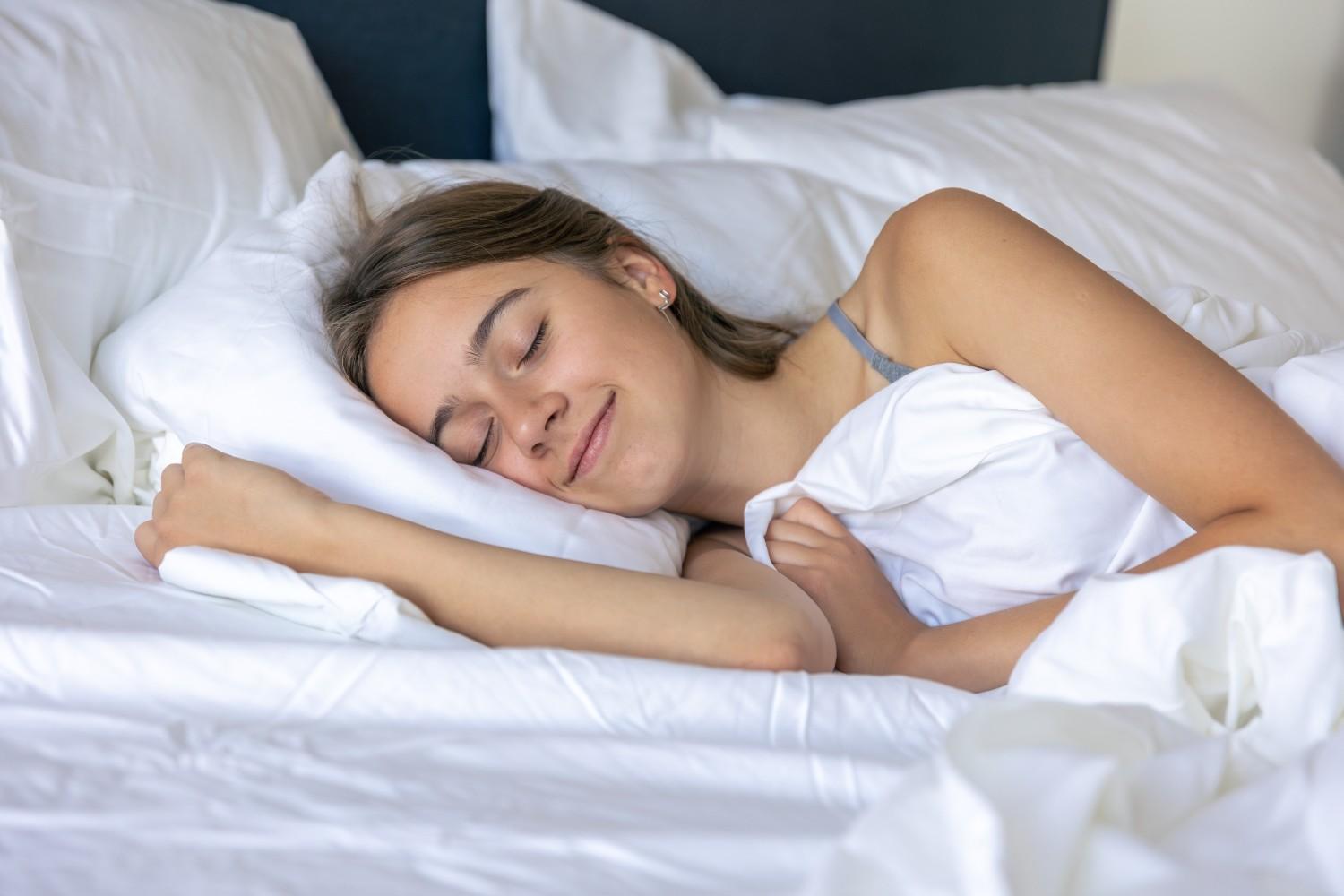

Many individuals struggle with sleep quality, often waking up feeling unrested and fatigued. One common yet overlooked issue is mouth breathing during sleep, which can lead to snoring, dry mouth, and even sleep apnea. These problems not only disrupt sleep but can also cause long-term health issues, such as cardiovascular problems and decreased cognitive function. A simple solution lies in a practice called mouth taping.
Mouth taping involves placing a gentle adhesive tape over the lips before sleep, promoting nasal breathing. This method encourages a more natural airflow, which can enhance oxygen intake and improve overall sleep quality. By fostering nasal breathing, mouth taping may also reduce instances of snoring and other disturbances associated with mouth breathing.
The benefits of mouth taping extend beyond just better sleep. Improved oral health, reduced anxiety, and enhanced athletic performance are additional advantages that come with this simple practice. As awareness grows, more people are turning to mouth taping as a viable solution.
This guide delves into how mouth taping can transform your sleep experience, offering practical tips and scientific insights to help you breathe easy and rest better.
Contents
How to Use Mouth Taping for Real Results
- Best Form: Medical-grade tape
- Best Time: Before sleep
- Expected Result: Improved sleep quality
For Daily Protection
The prep for daily mouth taping involves selecting a high-quality medical tape. Look for options that are hypoallergenic and breathable. Cut the tape into strips that fit comfortably across your lips without causing discomfort.
To apply, clean your lips and surrounding area to ensure the tape adheres properly. Gently press the tape across your lips, making sure it covers the entire width without being too tight. Ensure you can still breathe comfortably through your nose.
The sensation of mouth taping may feel unusual initially. Many people report a slight tingling sensation as they adjust to nasal breathing. This feeling typically lasts a few minutes as your body acclimates to the change.
Pro Tip: Practice wearing the tape for short periods during the day to get used to the sensation before using it overnight.
The Nighttime Routine
Establishing a nighttime routine enhances the effectiveness of mouth taping. Begin by dimming lights and reducing screen time at least an hour before bed. This helps signal to your body that it is time to wind down.
Once ready for bed, brush your teeth and rinse your mouth. Apply the tape across your lips as previously described. Position yourself comfortably in bed, ensuring your head is elevated slightly to facilitate easier nasal breathing.
Pro Tip: Keep a small mirror by your bedside to check the tape’s placement if needed. If you have a night of disrupted sleep ahead, consider using mouth taping to mitigate disturbances. Ensure your sleeping environment is conducive to rest, with minimal noise and darkness. Before applying the tape, take a few moments to practice deep breathing exercises. This helps calm your mind and prepares your body for sleep. Apply the tape across your lips, ensuring a secure fit. The feeling of the tape may initially cause some anxiety, especially if you are not accustomed to it. However, many report a sense of relief as they focus on nasal breathing, leading to a more restful night.
Pro Tip: Experiment with different tape widths to find the most comfortable fit for you. One common mistake is opting for low-quality tape that may irritate the skin or fail to hold throughout the night. Cheap alternatives can lead to discomfort and may not provide the intended benefits. To avoid this, always choose medical-grade tape designed for skin use. Look for hypoallergenic options that minimize irritation. Investing in quality tape pays off in comfort and effectiveness. Another frequent error is improper application of the tape. If the tape is not placed correctly, it may not effectively prevent mouth breathing or could become dislodged during sleep. Ensure that the tape covers your lips fully and adheres properly. Practice applying it while awake to get the hang of the technique before trying it overnight. This will help you feel more confident in its application. Failing to create a proper sleep environment can also hinder the benefits of mouth taping. If your sleeping space is noisy or filled with distractions, the practice may not yield the desired results. Focus on creating a calming atmosphere. Dim the lights, reduce noise, and establish a consistent bedtime routine. This sets the stage for better sleep and enhances the effectiveness of mouth taping. Mouth taping primarily encourages nasal breathing, which has various biological benefits. Nasal breathing filters the air, warms it, and humidifies it, making it more suitable for the lungs. This process enhances oxygen uptake and reduces the risk of respiratory issues. The key compound involved in this process is nitric oxide, which is produced in the nasal passages. Nitric oxide plays a vital role in improving blood flow and oxygen delivery throughout the body. Enhanced nasal breathing can lead to better overall health and improved sleep quality. Research indicates that nasal breathing can significantly reduce snoring and sleep apnea incidents. A study published in the Journal of Dental Research highlights the positive effects of nasal breathing on sleep quality and overall well-being. For further reading, consult this PubMed article.Targeting Acute Sleep Disruptions
Common Mistakes to Avoid
Using Low-Quality Tape
Applying the Tape Incorrectly
Neglecting to Prepare for Sleep
The Science Behind Mouth Taping
Choosing the Right Product
Benefits vs Risks
| The Benefits | Potential Downsides |
|---|---|
| Improved sleep quality | Initial discomfort or anxiety |
| Reduced snoring | Skin irritation from low-quality tape |
| Enhanced oral health | Not suitable for everyone (e.g., those with nasal obstructions) |
Habits to Enhance Results
Incorporating regular physical activity can significantly improve sleep quality. Exercise helps reduce stress and anxiety, making it easier to fall asleep at night.
Practicing mindfulness techniques, such as meditation or deep breathing exercises, can also enhance the effectiveness of mouth taping. These practices promote relaxation and prepare the mind for sleep.
Who Should Avoid This?
- Individuals with severe nasal congestion or obstructions
- People with respiratory conditions, such as asthma
- Those who experience anxiety related to restricted breathing
Common Questions
What type of tape should I use for mouth taping?
Medical-grade, hypoallergenic tape is recommended for mouth taping to ensure comfort and safety.
Can mouth taping help with snoring?
Yes, encouraging nasal breathing can significantly reduce snoring during sleep.
Is mouth taping safe for everyone?
No. Individuals with certain respiratory conditions or severe nasal obstructions should consult a healthcare professional before trying mouth taping.
How long does it take to feel the benefits of mouth taping?
Many users report improved sleep quality after just a few nights of consistent use.
The Bottom Line
Mouth taping can be a simple yet effective way to enhance sleep quality and overall health.
- The Truth: It may not be suitable for everyone.
- The Strategy: Use it consistently before sleep for the best results.
- The Next Step: Consider incorporating relaxation techniques into your bedtime routine.
Get Your FREE Natural Health Guide!
Subscribe now and receive our exclusive ebook packed with natural health tips, practical wellness advice, and easy lifestyle changes, delivered straight to your inbox.