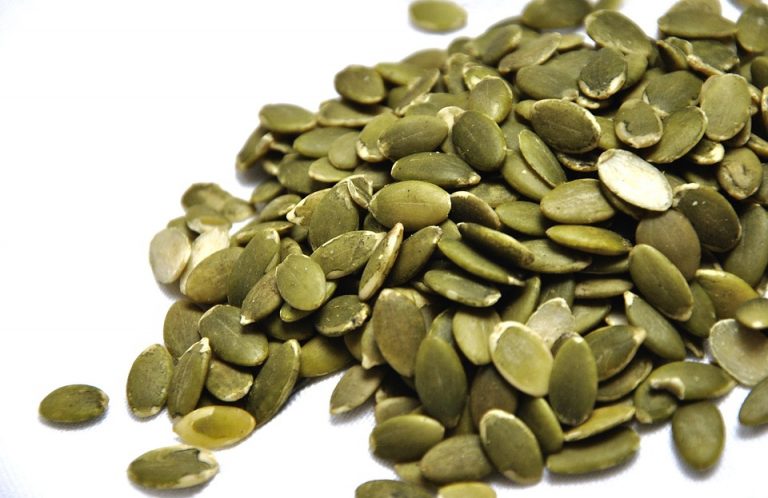

Sunflower seeds have been increasingly recognized for their health benefits, particularly concerning brain health. Many individuals grapple with issues related to cognitive function such as memory loss, lack of focus, and even anxiety. These issues can significantly impact daily life and overall well-being. While numerous remedies exist, incorporating sunflower seeds into your diet may offer a simple yet effective solution to enhance brain health.
The seeds are not only delicious but also packed with essential nutrients that support cognitive function. This guide delves into the importance of sunflower seeds, detailing their components and how they can be utilized for optimal brain health. By understanding the science and practical applications behind sunflower seeds, you can take actionable steps toward improving your cognitive well-being.
What makes sunflower seeds particularly valuable is their rich nutrient profile. They are high in vitamin E, magnesium, and healthy fats, all of which play crucial roles in brain function. By focusing on these nutrients, you can better appreciate how sunflower seeds can contribute to a sharper mind and emotional resilience.
Understanding how to incorporate sunflower seeds into your daily routine can empower you to tackle cognitive challenges head-on. The following sections will provide practical applications, common mistakes to avoid, and the scientific basis for the benefits of sunflower seeds. This comprehensive guide aims to equip you with the knowledge needed for a healthier brain through the power of sunflower seeds.
Contents
How to Use Sunflower Seeds for Real Results
- Best Form: Raw or roasted sunflower seeds.
- Best Time: Mid-morning or as a snack.
- Expected Result: Enhanced focus and cognitive clarity.
For Daily Protection
The Prep: Gather a handful of raw or lightly roasted sunflower seeds. You can also enhance the flavor by adding a pinch of sea salt or your favorite spices for an extra kick. Having these seeds ready to go in a small container makes them easy to grab when hunger strikes.
The Action: Enjoy sunflower seeds as a mid-morning snack. Chew them thoroughly to release their nutrients and enjoy the nutty flavor. Pair them with a piece of fruit or yogurt for a balanced snack that supports sustained energy levels.
The Feeling: The crunchiness of the seeds provides a satisfying texture. You may experience a sense of fullness and mental clarity that lasts for hours. This combination keeps you focused and energized throughout your morning tasks.
Pro Tip: Keep a small bag of sunflower seeds in your car or desk for a quick energy boost when needed.
Boosting Mood During Stressful Times
The Prep: Prepare a small bowl of sunflower seeds. Consider mixing them with dark chocolate chips or dried fruit for added flavor and benefits. This combination can create a delightful snack that not only tastes good but also uplifts your mood.
The Action: When feeling stressed or anxious, take a moment to enjoy this snack. Focus on the act of eating, savoring each seed and allowing yourself to unwind. The magnesium in sunflower seeds can help reduce feelings of anxiety.
The Feeling: As you consume the seeds, you may notice a calming sensation. The combination of flavors can elevate your mood, providing a comforting experience that helps alleviate stress.
Pro Tip: Create a relaxing environment by dimming the lights or playing soft music while enjoying your snack.
The Evening Wind Down
The Prep: Before bed, prepare a small serving of sunflower seeds. You can mix them with herbal tea for a calming evening ritual. This combination can help signal to your body that it’s time to relax.
The Action: Sip your herbal tea while munching on the sunflower seeds. Focus on your breathing as you enjoy this calming snack. The healthy fats in the seeds can help promote restful sleep.
The Feeling: You may experience a soothing sensation as you wind down. The ritual of enjoying seeds with tea can create a sense of comfort and relaxation, preparing you for a good night’s sleep.
Pro Tip: Avoid salty or heavily flavored seeds in the evening to keep your wind-down routine calming.
Common Errors to Avoid
Ignoring Quality
Choosing low-quality sunflower seeds can dilute their health benefits. Many commercially available seeds may contain added preservatives or unhealthy oils. These additives can counteract the positive effects that sunflower seeds offer. Always opt for organic or minimally processed seeds to ensure purity.
Investing in high-quality seeds not only enhances their nutritional value but also ensures you are consuming a product that aligns with your health goals. By selecting superior options, you can maximize the benefits to your brain health.
Overconsumption
While sunflower seeds are nutritious, consuming them in excessive amounts can lead to unwanted weight gain due to their high-calorie content. It is essential to practice moderation when incorporating these seeds into your diet. A handful is typically sufficient for daily intake.
Understanding serving sizes can help you enjoy sunflower seeds without overindulging. This balance allows you to reap the cognitive benefits while maintaining a healthy weight.
Neglecting Variety
Relying solely on sunflower seeds for brain health can limit your nutrient intake. While they are beneficial, they should be part of a diverse diet that includes various nuts, seeds, and whole foods. Each food group offers unique nutrients that contribute to overall wellness.
Incorporating a variety of foods ensures that you receive a broad spectrum of vitamins and minerals. This diversity can enhance cognitive function and overall health, making it essential to include different foods in your diet.
The Mechanisms Behind the Benefits
The biological mechanisms that underpin the cognitive benefits of sunflower seeds are multifaceted. These seeds are rich in nutrients such as vitamin E, magnesium, and healthy fats. Vitamin E acts as an antioxidant, protecting brain cells from oxidative stress. This protection is crucial for maintaining cognitive function and preventing age-related decline.
Key compounds found in sunflower seeds include tocopherols, which are a form of vitamin E. These compounds have been extensively studied for their neuroprotective properties. They help maintain blood flow to the brain, which is essential for optimal functioning. Magnesium also plays a role in synaptic plasticity, a process vital for learning and memory.
Clinical evidence supports the cognitive benefits associated with sunflower seeds. Studies have shown that diets rich in vitamin E can lead to improved memory and cognitive performance. For more in-depth research, refer to PubMed for various studies that highlight these findings.
Choosing the Right Product
- Potency: Look for seeds that offer a high concentration of nutrients. This ensures you receive the maximum health benefits.
- Purity: Opt for organic sunflower seeds to avoid harmful pesticides and additives. Pure seeds contribute more positively to your health.
- Form: Choose between raw, roasted, or sprouted seeds based on your preference. Each form offers different flavors and textures that can enhance your meals.
Pros & Cons
| The Benefits | Potential Downsides |
|---|---|
| Rich in nutrients that support brain health | High in calories, which may lead to weight gain if overconsumed |
| Contains antioxidants that protect against cellular damage | May cause allergic reactions in some individuals |
| Easy to incorporate into various meals and snacks | Quality can vary significantly between brands |
Habits That Complement Sunflower Seeds
Regular physical activity can greatly enhance cognitive function. Engaging in aerobic exercises such as walking or cycling not only improves blood flow to the brain but also enhances mood. Pairing these activities with a diet rich in sunflower seeds can yield significant mental health benefits.
Mindfulness practices such as meditation or yoga can also support brain health. These activities reduce stress and improve focus, creating an optimal environment for the nutrients from sunflower seeds to manifest their benefits.
Who Should Avoid This?
- Individuals with nut allergies.
- People on a low-calorie diet.
- Those with specific medical conditions that require dietary restrictions.
Common Questions
Are sunflower seeds good for anxiety?
Sunflower seeds contain magnesium, which has been shown to help reduce anxiety levels. Their nutrient profile supports overall brain health.
How much sunflower seeds should I eat daily?
A handful, or approximately 1 ounce, is generally recommended for daily consumption to reap the benefits without overindulging.
Can sunflower seeds help with memory?
Yes, the vitamin E and healthy fats in sunflower seeds support memory function and cognitive clarity.
Are there any side effects of sunflower seeds?
While generally safe, overconsumption can lead to weight gain. Allergic reactions are also possible in sensitive individuals.
The Bottom Line
Incorporating sunflower seeds into your diet can significantly enhance brain health.
- The Truth: They are beneficial but should not be the sole focus of a healthy diet.
- The Strategy: Consume them as part of a balanced snack routine.
- The Next Step: Combine sunflower seeds with other nutrient-dense foods for optimal benefits.
Get Your FREE Natural Health Guide!
Subscribe now and receive our exclusive ebook packed with natural health tips, practical wellness advice, and easy lifestyle changes, delivered straight to your inbox.