
The quest for optimal workout performance often leads individuals to explore various supplements and dietary strategies. One such option that has gained attention in recent years is beetroot juice. Athletes and fitness enthusiasts alike are increasingly turning to this vibrant juice, not just for its rich flavor but for its potential to enhance muscle oxygenation during exercise. This guide delves into how beetroot juice can be a crucial ally in your workout regimen.

The primary concern for anyone engaging in physical activity is the efficiency with which muscles receive oxygen. Oxygen is essential for aerobic metabolism, which fuels prolonged exercise. When the body can transport and utilize oxygen more effectively, endurance and performance improve. Beetroot juice, rich in dietary nitrates, plays a significant role in this process. By converting to nitric oxide in the body, these nitrates help widen blood vessels, leading to improved blood flow and oxygen delivery to muscles.
Understanding how to incorporate beetroot juice into your routine effectively can provide you with a competitive edge. However, it’s not merely about drinking it; timing, dosage, and preparation can significantly impact its efficacy. This guide aims to provide practical insights into maximizing the benefits of beetroot juice for muscle oxygenation.
As we explore the multifaceted advantages of beetroot juice, you’ll discover practical applications, the underlying science, potential pitfalls, and tips for choosing the right product. The journey toward enhanced workouts begins with informed choices and effective strategies.
Contents
How to Use Beetroot Juice for Real Results
- Best Form: Freshly extracted juice
- Best Time: 30 to 60 minutes before workouts
- Expected Result: Enhanced endurance and reduced fatigue
Enhancing Endurance for Long Runs
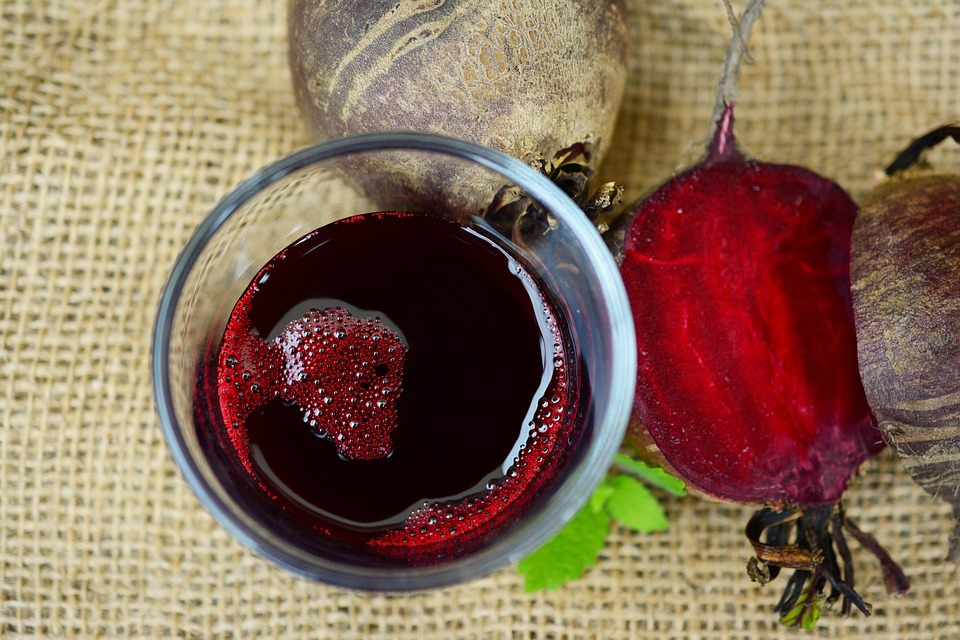
The preparation for a long run starts with selecting fresh beetroots. Aim for organic beets to avoid pesticide residues. Wash and peel them, then cut them into chunks for easy juicing. Combine with a splash of lemon juice for added flavor and vitamin C, which can further assist in absorption.
Juicing the beets is straightforward. Use a juicer to extract the liquid, or blend the chunks with water and strain through a fine sieve. Drink this fresh juice approximately 30 to 60 minutes before your run. This timing allows for optimal absorption of nitrates into your bloodstream.
After consuming beetroot juice, you may notice a tingling sensation in your mouth, a result of increased blood flow. As you begin your run, expect to feel more energized and capable of sustaining your pace longer. This sensation often lasts throughout your run, making you feel less fatigued.
Pro Tip: Experiment with different combinations of fruits or vegetables in your juice for variety and added nutrients.
Powering Through High-Intensity Training
Start by gathering your ingredients. Fresh beetroots are essential, combined with ginger and apples for a refreshing twist. Ginger can help reduce inflammation, while apples provide natural sugars for energy. Prepare the beets by washing, peeling, and chopping them, and do the same for the ginger and apples.
Juice the ingredients together, ensuring a smooth blend. Consume the juice about 30 minutes before your high-intensity workout to maximize the effects of nitrates. The ginger may add a slight warming sensation, which can be invigorating.
As you engage in your high-intensity training, you may notice a significant boost in your stamina. The increased oxygen delivery to your muscles helps reduce the onset of fatigue, allowing you to push through your limits. This feeling can persist for the duration of your workout, leaving you energized.
Pro Tip: Keep a batch of beetroot juice in the refrigerator for a quick grab before workouts.
Recovering After Intense Workouts
Recovery is crucial after intense workouts. Prepare a blend of beetroot juice with coconut water and a pinch of salt to replenish electrolytes. The natural sugars in beetroot can help restore glycogen depleted during exercise, while coconut water provides hydration.
Juice the beetroots first, followed by mixing in coconut water and salt. Consume this recovery drink within 30 minutes post-workout to take advantage of your body’s heightened absorption rate.
After consuming the juice, you may feel refreshed and revitalized. The combination aids in the recovery process, helping to reduce muscle soreness and fatigue. This sensation can last for hours, promoting quicker recovery for your next workout.
Pro Tip: Consider adding protein powder to your recovery drink for a complete post-workout nutrition profile.
Avoiding Common Mistakes
Choosing Processed Juices
One prevalent mistake is opting for processed beetroot juices that often contain added sugars and preservatives. These additives can negate the health benefits of the juice. Instead, focus on freshly juiced beets to ensure maximum nutrient retention and efficacy.
Fresh beetroot juice provides a higher concentration of nitrates, essential for muscle oxygenation. Processed options may not deliver the same results, leading to disappointment in performance. Always check labels and choose products that offer pure juice without unnecessary additives.
Not Timing Your Intake Correctly
Another common error is consuming beetroot juice at the wrong time. Drinking it too early or too late can diminish its performance-enhancing effects. Optimal timing is crucial for maximizing benefits.
Aim to consume beetroot juice 30 to 60 minutes before your workout. This window allows your body to convert nitrates into nitric oxide, enhancing blood flow and oxygen delivery to your muscles when you need it most.
Ignoring Dosage Recommendations
Many individuals underestimate the importance of proper dosage. Drinking too little may not provide the desired effects, while excessive intake could lead to digestive discomfort. Finding the right balance is essential.
The recommended dosage typically ranges from 250 to 500 milliliters of beetroot juice. Start on the lower end and assess how your body responds. Adjust based on your individual tolerance and workout intensity for optimal results.
Understanding the Mechanisms
The biological mechanism behind the benefits of beetroot juice lies in its high nitrate content. When consumed, these nitrates are converted into nitric oxide through a series of biochemical reactions. Nitric oxide plays a crucial role in vasodilation, which widens blood vessels, enhancing blood flow and oxygen delivery to muscles during exercise.
The key compound responsible for these effects is dietary nitrate. This compound, found abundantly in beetroots, has been shown to improve exercise performance by reducing the oxygen cost of exercise. This means that for a given intensity of exercise, the body requires less oxygen, thereby enhancing endurance.
Clinical evidence supports the efficacy of beetroot juice in improving exercise performance. A study published in the journal “Nutrients” demonstrated that beetroot supplementation significantly enhanced endurance and reduced fatigue among trained athletes. For further reading, refer to this PubMed Search.
Choosing the Right Product
-
Potency: Look for beetroot juice with a high nitrate content. Higher potency ensures better performance benefits.
-
Purity: Opt for products that contain 100% beetroot juice without added sugars or preservatives. Pure juice maximizes health benefits.
-
Form: Fresh juice is ideal, but concentrated or powdered forms can also be effective. Choose based on convenience and personal preference.
Benefits vs Risks
| The Benefits | Potential Downsides |
|---|---|
| Improved muscle oxygenation | Possible digestive discomfort if consumed in excess |
| Enhanced endurance and performance | May interact with certain medications, such as blood thinners |
| Natural source of antioxidants | Not suitable for everyone, particularly those with specific health conditions |
Habits for Enhanced Benefits
Incorporating regular cardiovascular exercise into your routine can amplify the effects of beetroot juice. Activities such as running, cycling, or swimming enhance the body’s ability to utilize oxygen effectively.
Prioritizing hydration is another key habit. Adequate water intake supports optimal blood flow and nutrient transport, complementing the benefits of beetroot juice for muscle oxygenation.
Who Should Avoid This?
- Individuals with low blood pressure.
- Those on blood-thinning medications.
- People with a history of kidney stones.
- Pregnant or breastfeeding women should consult healthcare providers.
Common Questions
How much beetroot juice should I drink?
A typical recommendation ranges from 250 to 500 milliliters, depending on individual tolerance and workout intensity.
Can beetroot juice cause any side effects?
Excessive consumption may lead to digestive discomfort or changes in urine color, which is harmless.
When is the best time to consume beetroot juice?
The optimal time is 30 to 60 minutes before exercise for maximum performance benefits.
Is beetroot juice suitable for everyone?
While generally safe, individuals with specific health conditions should consult a healthcare provider before use.
The Bottom Line
Beetroot juice can significantly enhance workout performance through improved muscle oxygenation.
- The Truth: It may not work the same for everyone.
- The Strategy: Consume it 30 to 60 minutes before exercise.
- The Next Step: Incorporate regular cardiovascular training into your routine.
Get Your FREE Natural Health Guide!
Subscribe now and receive our exclusive ebook packed with natural health tips, practical wellness advice, and easy lifestyle changes, delivered straight to your inbox.