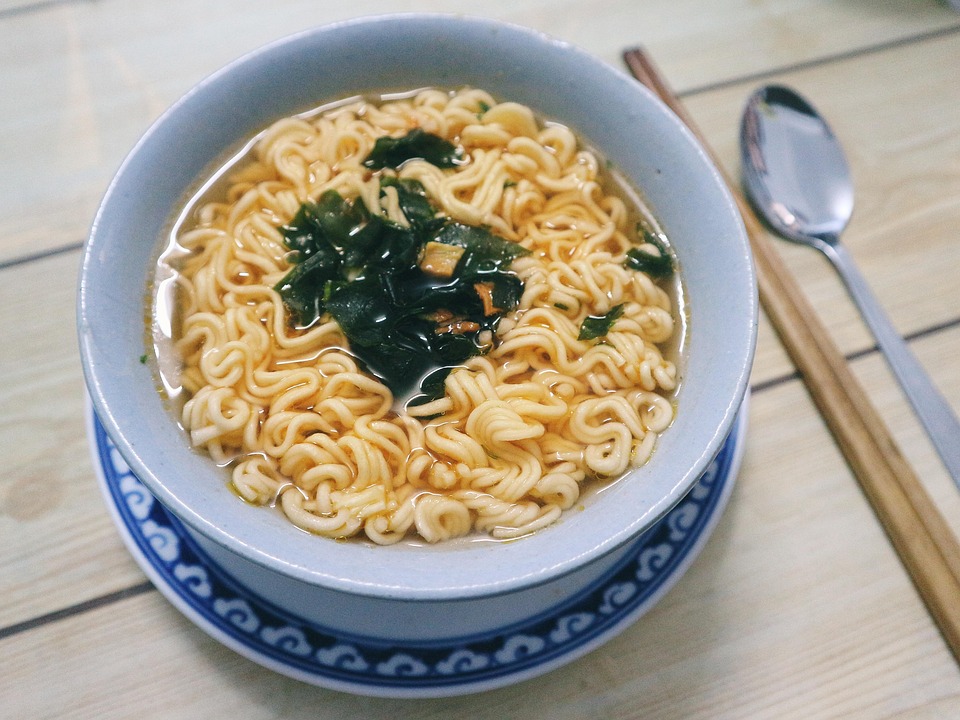

Thyroid health plays a crucial role in overall metabolism, energy levels, and mood regulation. Many individuals struggle with thyroid-related issues that can manifest as fatigue, weight gain, or even anxiety. These symptoms often stem from an underactive thyroid, a condition known as hypothyroidism. The good news is that certain dietary choices can support thyroid function and enhance metabolism. This guide will delve into how seaweed superfoods can be a powerful ally in boosting thyroid metabolism.

Seaweed is packed with essential nutrients and minerals that are vital for thyroid health. It contains iodine, a mineral critical for the production of thyroid hormones. Many people do not get enough iodine in their diets, leading to thyroid dysfunction. By incorporating seaweed into your meals, you can help ensure your body has the necessary components for optimal thyroid function.
In addition to iodine, seaweed is rich in antioxidants, vitamins, and minerals that can support metabolic processes. These superfoods can be easily integrated into various dishes, making them a convenient and beneficial addition to any diet. Understanding how to effectively incorporate seaweed into your routine can help you harness its full benefits for thyroid health.
This guide will provide practical applications, scientific insights, and tips for using seaweed superfoods to boost your thyroid metabolism. You will learn how to prepare and enjoy these nutrient-dense foods while avoiding common pitfalls.
Contents
How to Use Sea Vegetables for Real Results
- Best Form: Dried or powdered seaweed
- Best Time: During meals
- Expected Result: Enhanced thyroid function and metabolism
For Daily Protection
The Prep: Choose a high-quality dried seaweed variety such as nori or wakame. Ensure it is sourced from clean waters to avoid contaminants. You will also need a sharp pair of kitchen scissors for cutting the seaweed into smaller pieces.
The Action: Start by rinsing the seaweed under cold water. This helps to remove any residual salt or impurities. Cut the seaweed into small strips. Add it to salads, soups, or stir-fries. The goal is to include a small portion in at least one meal each day.
The Feeling: As you consume the seaweed, you may notice a slight umami flavor enhancing your dish. The texture will vary depending on how you prepare it. If added to hot dishes, it can become slightly chewy. Expect to feel a sense of fullness and sustained energy throughout the day.
Pro Tip: To maximize iodine intake, consider rotating different types of seaweed in your diet.
For Boosting Energy Levels
The Prep: Gather dried kombu and fresh vegetables. You will also need a large pot for a nourishing seaweed soup.
The Action: Soak the kombu in water for about 30 minutes to soften it. After soaking, chop it into small pieces. In your pot, sauté onions and garlic until fragrant, then add your chopped kombu and vegetables. Pour in vegetable broth and simmer for 20 minutes.
The Feeling: This warm soup provides a comforting sensation, especially on chilly days. The kombu adds a unique depth to the flavor. You may experience a gradual increase in energy levels without the jitters associated with caffeine.
Pro Tip: Adding a splash of lemon juice before serving can enhance the absorption of nutrients.
The Nighttime Routine
The Prep: Select seaweed snacks or a powdered form of seaweed. You will also need a small bowl for mixing.
The Action: Mix the powdered seaweed with yogurt or a smoothie before bedtime. This makes for a nutritious and easy-to-digest evening snack. If using snacks, enjoy them with a calming herbal tea.
The Feeling: You might feel a sense of relaxation as you wind down for the night. The nutrients from the seaweed can contribute to a more restful sleep, promoting better recovery and rejuvenation overnight.
Pro Tip: Pairing seaweed with magnesium-rich foods like bananas can further support relaxation.
Avoiding Common Pitfalls
Choosing Low-Quality Seaweed
Opting for low-quality seaweed can lead to insufficient nutrient intake. Many inexpensive varieties may contain contaminants or have been sourced from polluted waters. Always choose organic or sustainably sourced seaweed to ensure its purity and nutrient density.
Quality matters because contaminated seaweed can negate the health benefits you seek. It is essential to read labels and verify sourcing. High-quality seaweed not only supports thyroid health but also enhances overall well-being.
Overconsumption of Seaweed
While seaweed is beneficial, consuming excessive amounts can lead to iodine overload. This can disrupt thyroid function and lead to hyperthyroidism in some individuals. Moderation is crucial.
It is recommended to limit seaweed intake to a few servings per week. Pay attention to how your body responds. If experiencing symptoms such as heart palpitations or anxiety, consider reducing your intake.
Neglecting Other Nutritional Needs
Focusing solely on seaweed without a balanced diet can lead to nutritional deficiencies. A well-rounded diet should include a variety of fruits, vegetables, proteins, and healthy fats. Seaweed should complement rather than replace other food groups.
To achieve optimal thyroid function, ensure you are meeting your nutritional needs holistically. Incorporate other iodine-rich foods like fish and dairy, as well as selenium and zinc sources for comprehensive support.
Understanding the Mechanism
The biological mechanism behind seaweed’s effectiveness lies in its rich iodine content. Iodine is a critical component of thyroid hormones. These hormones regulate metabolism, energy production, and overall bodily functions. When iodine levels are adequate, the thyroid can function optimally, leading to improved metabolic health.
Key compounds in seaweed include fucoidan and alginate. Fucoidan has shown potential anti-inflammatory and immune-boosting properties. Alginate can aid in weight management by promoting feelings of fullness and reducing fat absorption in the digestive tract. These compounds further enhance the benefits of iodine for thyroid health.
Clinical studies indicate that iodine deficiency is a significant global health concern. For more information on the importance of iodine and its role in thyroid health, refer to the research available on PubMed. Ensuring adequate iodine intake through seaweed can have far-reaching effects on thyroid function and metabolism.
Choosing the Right Product
– **Potency:** Look for seaweed that provides a significant amount of iodine per serving. This ensures you receive enough to support thyroid function effectively.
-
Purity: Select organic and sustainably sourced seaweed. This minimizes exposure to toxins and heavy metals that could harm your health.
-
Form: Decide between dried, powdered, or fresh seaweed based on your cooking preferences. Each form has unique applications and benefits, so choose what fits your lifestyle best.
Benefits vs Risks
| The Benefits | Potential Downsides |
|---|---|
| Rich in iodine, supporting thyroid function | Risk of iodine overload if consumed excessively |
| Contains antioxidants that combat oxidative stress | Possible contamination from polluted waters |
| Enhances satiety, aiding in weight management | May interfere with certain medications if not monitored |
Habits to Enhance Thyroid Health
Incorporating regular exercise into your routine can significantly support thyroid function. Physical activity increases metabolism and can help manage weight, which is vital for those with thyroid issues.
Mindfulness practices such as yoga or meditation can also contribute to thyroid health. These activities reduce stress, which can negatively impact hormone balance and overall well-being.
Who Should Avoid This?
– Individuals with hyperthyroidism should limit seaweed intake due to its high iodine content.
– Those with a history of thyroid disorders should consult a healthcare provider before adding seaweed to their diet.
– Pregnant women should monitor iodine intake, as excessive amounts can impact fetal development.
– People on certain medications, especially those affecting thyroid function, should seek medical advice before using seaweed products.
Common Questions
Can seaweed help with weight loss?
Yes, seaweed can aid weight loss by promoting feelings of fullness and reducing fat absorption.
How much seaweed should I consume?
Moderation is key. Aim for a few servings per week to avoid iodine overload.
Is all seaweed safe to eat?
Not all seaweed is created equal. Always choose high-quality, organic options to ensure safety and nutrient density.
Can I take iodine supplements instead of eating seaweed?
Iodine supplements can be effective, but whole foods like seaweed provide additional nutrients that support overall health.
The Final Thoughts
Integrating seaweed into your diet can significantly boost your thyroid metabolism and overall health.
- The Truth: Seaweed is beneficial but should be consumed in moderation.
- The Strategy: Include it in meals a few times a week for optimal benefits.
- The Next Step: Consider pairing it with a balanced diet for comprehensive support.
Get Your FREE Natural Health Guide!
Subscribe now and receive our exclusive ebook packed with natural health tips, practical wellness advice, and easy lifestyle changes, delivered straight to your inbox.