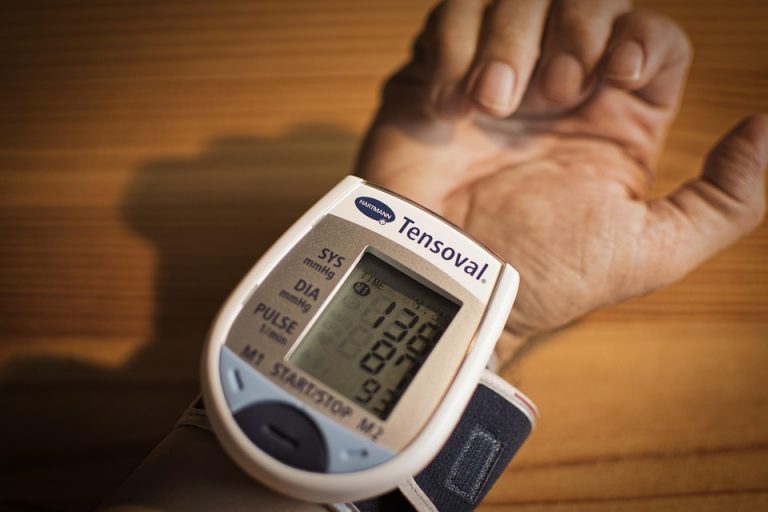

Walking is one of the simplest yet most effective forms of exercise available. Many people overlook its potential benefits, especially when it comes to heart health. Cardiovascular diseases remain a leading cause of death worldwide, and incorporating walking into daily routines can significantly reduce risks. This low-impact activity not only strengthens the heart but also improves circulation, lowers blood pressure, and helps maintain a healthy weight.

The challenge for many is finding ways to integrate walking into a busy lifestyle. It often feels daunting to commit to a structured exercise regimen, leading to missed opportunities for physical activity. However, simple changes in daily habits can make a substantial difference. Each step taken contributes to overall heart health and well-being.
Walking can be tailored to fit individual preferences and abilities. Whether it is a leisurely stroll around the neighborhood or a brisk walk in the park, the goal is to make movement a regular part of life. With a few adjustments, anyone can create a sustainable walking habit that promotes heart health.
In this guide, we will explore practical walking habits, common pitfalls to avoid, the science behind the benefits, and how to incorporate these habits into your daily life to enhance cardiovascular wellness.
Contents
How to Use Walking for Real Results
- Best Form: Walking briskly
- Best Time: 30 minutes daily
- Expected Result: Improved cardiovascular health
For Daily Protection
The Prep: Choose comfortable walking shoes and attire suited to the weather. A water bottle is essential for hydration. If possible, select a scenic route that inspires you to walk regularly.
The Action: Begin with a gentle warm-up to prepare your muscles. Aim for at least 30 minutes of brisk walking, maintaining a pace that increases your heart rate but allows you to converse comfortably. Incorporate intervals by alternating faster and slower paces for added cardiovascular benefits.
The Feeling: As you walk, you may notice a gradual increase in heart rate and breathing. This is a positive sign that your cardiovascular system is working effectively. Expect an invigorating sensation that lasts even after you complete your walk.
Pro Tip: Track your steps using a smartphone app or pedometer to stay motivated.
Incorporating Short Walks
The Prep: Identify times in your day when you can fit in short walks. This could be during breaks at work or after meals. A light snack beforehand can help maintain energy levels.
The Action: Aim for three short walks of 10 minutes each throughout the day. Use stairs instead of elevators and park further away from entrances to increase your walking time. Each short walk should be brisk enough to elevate your heart rate.
The Feeling: You may feel a refreshing boost of energy after each short walk. The cumulative effect can enhance your mood and reduce stress, contributing to overall heart health.
Pro Tip: Set reminders on your phone to encourage regular walking breaks.
Walking with Purpose
The Prep: Gather a group of friends or family for a walking session. Choose a route that is safe and enjoyable, and consider scheduling a regular walking date to maintain motivation.
The Action: During the walk, engage in conversation to make the experience more enjoyable. Aim for a pace that allows for dialogue but still challenges your cardiovascular system. Consider adding light weights or resistance bands for added intensity.
The Feeling: Walking with others can enhance feelings of connection and motivation. Expect to feel a sense of accomplishment and camaraderie, contributing to both mental and physical wellness.
Pro Tip: Explore local parks or trails to keep the walks interesting and engaging.
Common Mistakes to Avoid
Neglecting Proper Footwear
Wearing inadequate shoes can lead to discomfort and potential injuries. Proper footwear is crucial for walking as it provides necessary support and cushioning. Without the right shoes, you may experience blisters, soreness, or even long-term foot problems.
Invest in quality walking shoes designed for your foot type. Visit a specialty store for a fitting and consider replacing shoes every 300 to 500 miles to ensure adequate support. This proactive approach will enhance your walking experience and protect your feet.
Overestimating Your Abilities
Many individuals begin walking with enthusiasm but may push themselves too hard too quickly. This can lead to fatigue or injury, discouraging continued participation. Understanding your current fitness level is vital for long-term success.
Start slowly and gradually increase the duration and intensity of your walks. Listen to your body and take rest days as needed. Setting realistic goals can prevent burnout and help you stay committed to your walking routine.
Ignoring Weather Conditions
Weather can significantly impact your walking routine. Some may choose to walk in unfavorable conditions, risking discomfort or illness. Being aware of the weather and planning accordingly is essential for maintaining a consistent walking habit.
Dress appropriately for the weather, using layers in cooler temperatures and breathable fabrics in heat. If conditions are severe, consider indoor walking alternatives such as malls or treadmills. This flexibility will help you stay active regardless of external circumstances.
The Mechanism Behind Walking Benefits
Walking promotes cardiovascular health by engaging large muscle groups, which helps improve circulation. The rhythmic movement stimulates the heart to pump more efficiently, lowering resting heart rate over time. This biological mechanism enhances overall heart function and reduces the risk of cardiovascular diseases.
One of the key compounds involved in this process is nitric oxide. This molecule plays a vital role in blood vessel dilation, improving blood flow and reducing blood pressure. Regular walking can enhance the body’s production of nitric oxide, contributing to better cardiovascular health.
Clinical evidence supports the benefits of walking for heart health. A study published in the Journal of the American College of Cardiology highlights that even moderate walking can significantly reduce the risk of heart disease. For more detailed information, refer to this research.
Choosing the Right Product
– **Potency:** Look for walking shoes with adequate cushioning and support. This ensures comfort and minimizes the risk of injury during walks.
-
Purity: Choose shoes made from breathable materials. This keeps your feet dry and comfortable, reducing the risk of blisters and discomfort.
-
Form: Consider shoes designed specifically for walking rather than running. Walking shoes typically have a different structure that enhances stability and comfort for this activity.
Benefits vs Risks
| The Benefits | Potential Downsides |
|---|---|
| Improves cardiovascular health | Risk of injury with improper footwear |
| Enhances mood and reduces stress | May require adjustment to weather conditions |
| Supports weight management | Overtraining can lead to fatigue |
Habits to Enhance Your Walking Routine
Incorporating strength training twice a week can enhance walking benefits. Strengthening muscles supports joint stability and can improve walking efficiency.
Maintaining a balanced diet rich in fruits, vegetables, and whole grains complements your walking routine. Proper nutrition fuels your body for activity and supports recovery.
Who Should Avoid This?
– Individuals with severe heart conditions should consult a healthcare professional before starting any walking program.
– Those recovering from surgery or serious injuries should seek personalized guidance.
– People with chronic joint pain should consider low-impact alternatives or seek advice from a physiotherapist.
Common Questions
How long should I walk each day for heart health?
Aim for at least 30 minutes of brisk walking most days of the week.
Can walking alone improve heart health?
Yes, regular walking can significantly enhance cardiovascular health, especially when combined with a balanced diet.
What is the best time to walk?
Walking at any time of day is beneficial. Choose a time that fits your schedule and allows for consistency.
How can I stay motivated to walk regularly?
Set achievable goals, track your progress, and consider walking with friends to maintain motivation.
The Bottom Line
Walking is a simple yet powerful tool for enhancing heart health.
- The Truth: While walking is beneficial, results may vary based on individual health conditions.
- The Strategy: Aim for 30 minutes of brisk walking most days to maximize benefits.
- The Next Step: Incorporate walking into your daily routine by finding opportunities to move more.
Get Your FREE Natural Health Guide!
Subscribe now and receive our exclusive ebook packed with natural health tips, practical wellness advice, and easy lifestyle changes, delivered straight to your inbox.