Have you ever experienced that moment when your mind feels sluggish, and you struggle to concentrate? It’s frustrating, right? As someone who has often battled the mid-afternoon slump, I’ve explored various remedies, and one curious contender has emerged: beetroot. This vibrant vegetable, often relegated to the sidelines of our plates, carries a wealth of potential for enhancing brain circulation and boosting focus.
In this article, we’ll delve into the science behind beetroot, its impact on brain health, and how you can incorporate it into your daily routine for optimal cognitive function.
Contents
- The Science of Brain Circulation
- Beetroot: Nutritional Profile
- How to Incorporate Beetroot into Your Diet
- Understanding the Caveats
- The Broader Context: Nutrients for Brain Health
- Personal Observations on Dietary Changes
- FAQs About Beetroot and Brain Circulation
- A Holistic Perspective on Brain Health
- Conclusion: A Journey of Discovery
- References
The Science of Brain Circulation
Before we jump into beetroot specifics, let’s understand why brain circulation is crucial. The brain is an energy-hungry organ, consuming about 20% of the body’s energy despite accounting for only 2% of its weight. This energy is primarily derived from glucose, delivered via the bloodstream. When circulation is impaired, cognitive functions can decline, leading to difficulties in focus, memory, and even mood regulation.
What Role Does Nitric Oxide Play?
One of the key players in enhancing circulation is nitric oxide (NO), a molecule that relaxes blood vessels, improving blood flow. Research has shown that certain foods can boost nitric oxide levels in the body. Beetroot is one of those foods, thanks to its high nitrate content. When consumed, nitrates convert to nitric oxide, which can enhance blood flow, including to the brain.
A study published in the Journal of Applied Physiology found that dietary nitrates can improve cognitive performance by enhancing blood flow to the brain. Participants who consumed beetroot juice showed improved cognitive performance compared to those who did not. This finding underscores the potential of beetroot as a natural cognitive enhancer.
Beetroot: Nutritional Profile
Before we dig deeper into its benefits for brain health, let’s take a quick look at what makes beetroot a nutritional powerhouse.
- Vitamins and Minerals: Beetroot is rich in vitamins A, C, and K, as well as essential minerals like potassium and magnesium.
- Antioxidants: It contains betalains, which are potent antioxidants that help combat oxidative stress, a factor linked to neurodegenerative diseases.
- Fiber: Beetroot is a good source of dietary fiber, which supports gut health—an often-overlooked aspect of overall health that can influence cognitive function.
Real-Life Example: A Beetroot Journey
When I first tried incorporating beetroot juice into my routine, I was skeptical. Would this earthy-tasting vegetable really make a difference? After a week of daily consumption, I noticed a remarkable change. My afternoon focus improved, and I felt more alert during my late-day meetings. While individual experiences may vary, my journey suggests that beetroot can indeed provide a mental boost.
How to Incorporate Beetroot into Your Diet
If you’re intrigued by the potential of beetroot to enhance cognitive function, you might be wondering how to include it in your diet. Here are several practical ways to enjoy this versatile vegetable:
1. Beetroot Juice
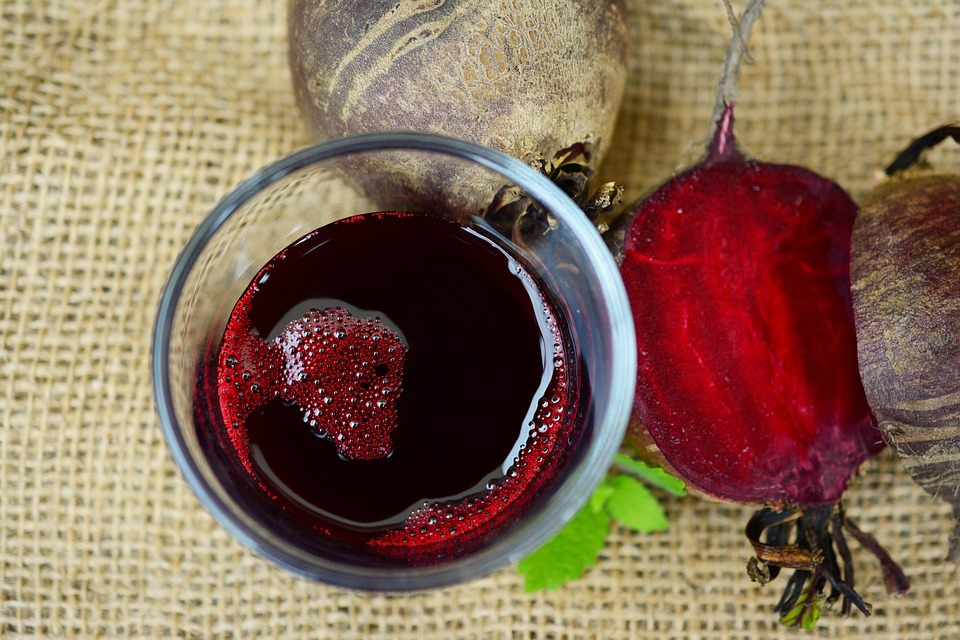
One of the simplest ways to consume beetroot is in juice form. You can easily make it at home using a juicer. Combine beetroot with other fruits and vegetables like apples, carrots, or ginger for a deliciously refreshing drink.
Tip: Aim for about 250 ml of beetroot juice daily to reap its benefits.
2. Roasted Beetroot Salad
Roasting beetroot brings out its natural sweetness. Toss roasted beetroot with arugula, feta cheese, and walnuts for a nutritious salad. The combination of flavors is delightful, and you’ll gain the added benefits of healthy fats and proteins.
3. Smoothies
Add cooked or raw beetroot to your morning smoothie. Pair it with banana, spinach, and almond milk for a nutrient-dense breakfast that fuels both body and mind.
4. Beetroot Hummus
Blend cooked beetroot with chickpeas, tahini, lemon juice, and garlic for a vibrant twist on traditional hummus. This is an excellent dip for veggies or whole-grain pita.
5. Soups and Stews
Beetroot can also be added to soups and stews, lending a rich color and flavor. Borscht, a traditional Eastern European soup, is a classic example that showcases beetroot beautifully.
Understanding the Caveats
While beetroot can offer numerous benefits, it’s crucial to approach it with a balanced perspective. Some individuals may experience side effects, such as digestive discomfort or an unusual change in urine color (often referred to as “beeturia”).
Moreover, while the evidence supporting beetroot’s benefits is promising, it’s essential to recognize that research is still ongoing. The effects can vary from person to person, and more studies are needed to fully understand the long-term impacts of beetroot on cognitive health.
The Broader Context: Nutrients for Brain Health
Beetroot isn’t the only food that can enhance brain health. A variety of nutrients play critical roles in cognitive function:
Omega-3 Fatty Acids
Found in fatty fish like salmon and walnuts, omega-3 fatty acids are essential for maintaining healthy brain function. They contribute to the structure of brain cells and have been linked to improved memory and overall cognitive performance.
Antioxidant-Rich Foods
Fruits and vegetables high in antioxidants, such as blueberries and dark leafy greens, combat oxidative stress and inflammation, both of which can negatively impact brain health.
Whole Grains
Whole grains provide a steady supply of glucose, the primary energy source for the brain. Foods like oats, quinoa, and brown rice can help maintain stable energy levels throughout the day.
Personal Observations on Dietary Changes
In my quest for improved focus, I experimented with various dietary changes. While beetroot has certainly carved out a special place in my routine, I’ve also noticed the profound impact of reducing processed sugars and incorporating more whole foods. The combination of these changes, along with regular exercise, has created a holistic approach to maintaining mental clarity.
FAQs About Beetroot and Brain Circulation
1. Can beetroot juice really improve focus?
Yes, research suggests that beetroot juice can enhance blood flow to the brain, which may improve focus and cognitive performance.
2. How much beetroot should I consume daily?
A daily intake of about 250 ml of beetroot juice is often recommended for its cognitive benefits, but you can also consume it in whole food forms.
3. Are there any side effects to consuming beetroot?
Some individuals may experience digestive discomfort or a temporary change in urine color. These effects are generally harmless.
4. Can I eat beetroot raw?
Absolutely! Raw beetroot can be grated into salads or smoothies, offering a crunchy texture and earthy flavor.
5. Is beetroot safe for everyone?
While beetroot is generally safe for most people, those with specific health conditions, such as kidney stones, should consult a healthcare provider before consuming large amounts due to its oxalate content.
A Holistic Perspective on Brain Health
As we explore the connection between beetroot and brain circulation, it’s vital to adopt a holistic view of cognitive health. Incorporating a variety of nutrient-rich foods, engaging in regular physical activity, and ensuring adequate sleep are all crucial components of maintaining optimal brain function.
In my experience, integrating beetroot into my diet has not only enhanced my focus but also encouraged me to be more mindful of my overall nutrition. The vibrant color of beetroot serves as a reminder of the power of nature to nourish our bodies and minds.
Conclusion: A Journey of Discovery
The exploration of beetroot as a brain booster has been both enlightening and practical. While the scientific evidence is compelling, personal experiences and cultural practices add depth to our understanding of this remarkable vegetable. As we continue to uncover the secrets of brain health, beetroot stands out as a vibrant ally in our quest for sharper focus and improved cognitive function.
This article is for educational purposes only and does not replace professional medical guidance. Always speak with a qualified healthcare provider before making changes to your health routine.
References
-
Jones, A. M., & Thompson, C. (2014). “Dietary Nitrate and Nitric Oxide: A Review of the Effects on Exercise Performance.” Journal of Applied Physiology. https://doi.org/10.1152/japplphysiol.00709.2014
-
Coombes, J. S., & McNaughton, L. R. (2011). “Nitric Oxide and Exercise: A Review.” Sports Medicine. https://doi.org/10.2165/11590340-000000000-00000
-
National Institutes of Health. “Beetroot.” https://ods.od.nih.gov/factsheets/Beetroot-HealthProfessional/
-
Harvard Health Publishing. “The Benefits of Beetroot.” https://www.health.harvard.edu/staying-healthy/the-health-benefits-of-beetroot
-
Cleveland Clinic. “Beetroot: Nutrition and Health Benefits.” https://my.clevelandclinic.org/health/articles/15262-beets-nutrition-and-health-benefits
Get Your FREE Natural Health Guide!
Subscribe now and receive our exclusive ebook packed with natural health tips, practical wellness advice, and easy lifestyle changes — delivered straight to your inbox.