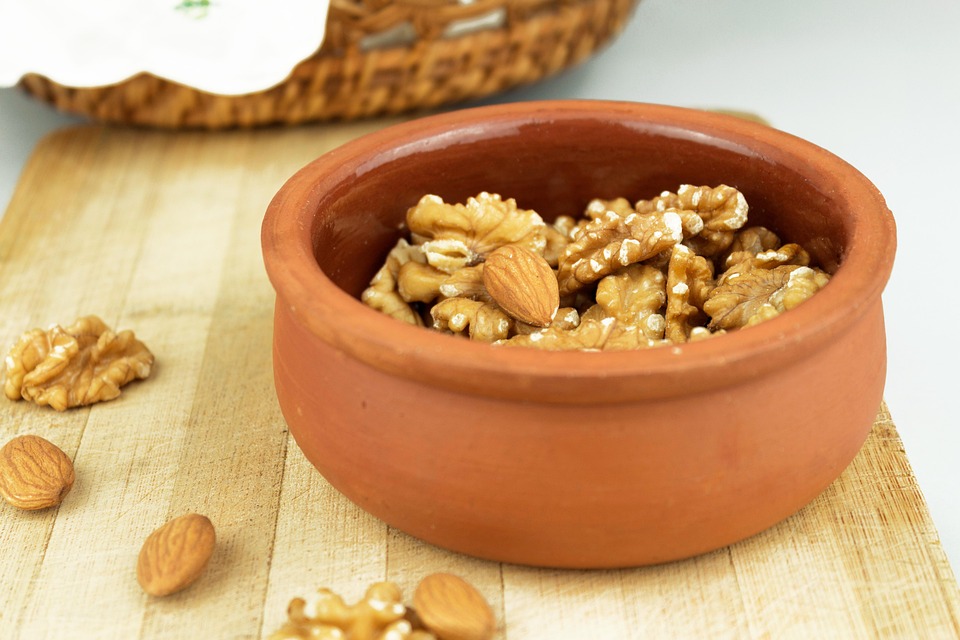

Walnuts have gained attention as a nutrient-dense food with the potential to bolster energy levels while aiding blood sugar balance. Many individuals struggle with fluctuating energy throughout the day, often linked to blood sugar spikes and crashes. This can lead to feelings of lethargy, irritability, and difficulty concentrating. By incorporating walnuts into one’s diet, it is possible to stabilize blood sugar levels and enhance overall energy.
These nuts are rich in healthy fats, protein, and essential nutrients, making them an excellent choice for maintaining sustained energy. They contain omega-3 fatty acids, which are known for their anti-inflammatory properties and role in brain health. Additionally, walnuts have a low glycemic index, meaning they do not cause rapid increases in blood sugar levels, making them a smart option for those looking to manage their energy and glucose levels effectively.
The versatility of walnuts allows them to be easily integrated into various meals and snacks. Whether consumed raw, added to salads, or blended into smoothies, they offer a plethora of health benefits while enhancing the flavor and texture of dishes. Understanding how to effectively incorporate walnuts into daily routines can lead to improved energy levels and better blood sugar management.
This guide will delve into practical applications, the science behind walnuts, common mistakes to avoid, and how to choose the right products to reap the maximum benefits from these remarkable nuts.

Contents
How to Use Walnuts for Real Results
- Best Form: Raw or lightly roasted walnuts
- Best Time: Morning or as a mid-afternoon snack
- Expected Result: Sustained energy and improved focus
For Daily Energy Support
The Prep: Gather a handful of raw walnuts, approximately 1 ounce, and a piece of fresh fruit like an apple or banana. This combination provides a balance of carbohydrates and healthy fats.
The Action: Start your day by consuming the walnuts along with the fruit. This can be done as a part of your breakfast or as a snack between meals. Chew slowly to fully enjoy the flavors and allow your body to begin digesting the nutrients effectively.
The Feeling: After consuming this combination, you may feel a gradual increase in energy. The nuts provide a satisfying crunch, while the fruit adds sweetness. This energy boost typically lasts for several hours, keeping you alert and focused.
Pro Tip: Pair walnuts with yogurt for an additional protein source, enhancing satiety and energy.
Incorporating into Meals
The Prep: Choose a meal such as a salad or bowl. Gather leafy greens, your choice of vegetables, and about 1 ounce of walnuts. Add a protein source like grilled chicken or beans for added nutritional benefits.
The Action: Chop the walnuts coarsely and sprinkle them on top of your salad. Drizzle with a light vinaigrette to complement the flavors. Toss everything together to ensure an even distribution of ingredients.
The Feeling: The crunch of the walnuts adds texture to your meal, while the combination of flavors keeps your palate engaged. You will likely experience sustained energy throughout the afternoon as a result of the balanced meal.
Pro Tip: Experiment with different dressings to find your favorite flavor pairings that enhance the overall dish.
Snack Time Boost
The Prep: Prepare a simple energy bite by combining crushed walnuts, oats, honey, and a pinch of salt. Aim for a mixture that can be easily formed into small balls.
The Action: Mix all ingredients in a bowl until well combined. Form into bite-sized balls and refrigerate for at least 30 minutes. Enjoy these energy bites as a snack any time of day when you need a quick energy boost.
The Feeling: Upon consuming these bites, you may notice an immediate lift in your energy levels. The combination of ingredients provides a satisfying and sweet treat that keeps cravings at bay for several hours.
Pro Tip: Store these energy bites in the refrigerator for easy access during busy days.
Common Errors to Avoid
Choosing Processed Varieties
Opting for salted or flavored walnuts can detract from their health benefits. Processed versions often contain added sugars and unhealthy fats that can negate the positive effects on blood sugar levels. Stick to raw or lightly roasted nuts to maximize nutrition.
Selecting whole walnuts ensures that you receive the full range of nutrients. These include omega-3 fatty acids, antioxidants, and fiber, all of which support energy and blood sugar balance.
Focus on purchasing walnuts from reputable sources to ensure quality. This can significantly enhance their health benefits and overall effectiveness.
Ignoring Portion Sizes
Overindulgence can lead to consuming excessive calories, which may hinder blood sugar management. While walnuts are nutritious, moderation is key. A standard serving size is about 1 ounce, roughly 14 halves.
Being mindful of portion sizes helps maintain energy levels while preventing unwanted weight gain. This is crucial for keeping blood sugar levels stable and avoiding energy crashes.
Consider pre-portioning walnuts into small bags or containers for easy snacking. This can help control intake and make it easier to incorporate them into your daily routine.
Neglecting Balance in Meals
Relying solely on walnuts without pairing them with other food groups can limit the benefits. For optimal energy levels and blood sugar management, it is essential to include a variety of nutrients in your meals.
Aim to create balanced meals that incorporate carbohydrates, proteins, and healthy fats. This synergy ensures sustained energy and minimizes blood sugar fluctuations.
Experiment with different meal combinations to find what works best for you. This will enhance your overall dietary habits and improve energy management throughout the day.
The Science Behind Walnuts and Energy
Walnuts contain a unique blend of nutrients that contribute to their positive effects on energy and blood sugar levels. The healthy fats present in walnuts, particularly omega-3 fatty acids, play a significant role in promoting heart health and reducing inflammation. These fats are essential for maintaining cellular function, which is crucial for sustained energy.
One key compound found in walnuts is alpha-linolenic acid (ALA). This plant-based omega-3 fatty acid has been linked to various health benefits, including improved brain function and reduced risk of chronic diseases. ALA helps regulate metabolism and supports energy production at the cellular level.
Research has shown that incorporating walnuts into the diet can have a positive impact on blood sugar control. A study published in the journal “Nutrients” highlights the benefits of walnuts for glycemic control and overall health. For more information, refer to the study here: Nutrients Study.
Choosing the Right Product
- Potency: Look for walnuts that are nutrient-dense and minimally processed. This ensures you get the maximum health benefits.
- Purity: Select organic walnuts when possible. This reduces exposure to pesticides and other harmful chemicals that can affect health.
- Form: Consider how you plan to use walnuts. Whole nuts, walnut butter, or walnut oil can be incorporated into different recipes and snacks.
Benefits vs Risks
| The Benefits | Potential Downsides |
|---|---|
| Rich in healthy fats and protein that support energy. | High in calories, which can contribute to weight gain if consumed excessively. |
| Low glycemic index helps maintain stable blood sugar levels. | May cause allergic reactions in sensitive individuals. |
| High in antioxidants that combat oxidative stress. | Can lead to digestive discomfort if consumed in large quantities. |
Habits for Enhanced Energy
Incorporating regular physical activity into your routine can boost energy levels and improve overall health. Aim for at least 30 minutes of moderate exercise most days of the week. This helps regulate blood sugar levels and enhances mood.
Mindfulness practices such as meditation or yoga can also significantly improve energy. These practices help reduce stress and improve focus, leading to better energy management throughout the day.
Who Should Avoid This?
– Individuals with nut allergies should avoid walnuts entirely.
– Those with certain gastrointestinal disorders may experience discomfort from high fiber intake.
– People on specific medications should consult a healthcare professional before adding walnuts to their diet.
Common Questions
How many walnuts should I eat daily?
A typical serving is about 1 ounce, or roughly 14 halves. This amount can provide the desired health benefits without excessive calorie intake.
Can walnuts help with weight loss?
In moderation, walnuts can support weight loss efforts by promoting satiety and providing essential nutrients. However, they should be consumed as part of a balanced diet.
Is it better to eat walnuts raw or roasted?
Raw walnuts retain more nutrients, while lightly roasted walnuts can enhance flavor. Choose based on personal preference but avoid heavily salted or flavored varieties.
Do walnuts interact with medications?
While walnuts are generally safe, individuals on blood thinners should consult a healthcare professional due to their omega-3 content.
The Bottom Line
Incorporating walnuts into your diet can effectively boost energy levels and support blood sugar balance.
- The Truth: Walnuts are beneficial but should be consumed in moderation.
- The Strategy: Incorporate them into meals and snacks for sustained energy.
- The Next Step: Experiment with different recipes to find enjoyable ways to include walnuts.
Get Your FREE Natural Health Guide!
Subscribe now and receive our exclusive ebook packed with natural health tips, practical wellness advice, and easy lifestyle changes, delivered straight to your inbox.