
Contents
Horsetail tea has emerged as a popular herbal remedy, particularly for those interested in enhancing connective tissue health. Connective tissues are essential for maintaining the structure and integrity of various body parts, including bones, cartilage, and skin. They provide support and flexibility, playing a pivotal role in overall mobility and physical well-being. As the body ages or undergoes stress, connective tissues may weaken, leading to discomfort and decreased function.
The challenge many face is finding natural ways to support and rejuvenate these vital tissues. Conventional treatments often focus on symptoms rather than addressing the root causes of connective tissue degeneration. This is where horsetail tea comes into play as a powerful ally. Rich in silica and other beneficial compounds, horsetail tea has the potential to nourish and strengthen connective tissue.
Incorporating horsetail tea into your wellness routine can be a game-changer. Not only does it offer a range of health benefits, but it also provides a soothing ritual that can enhance your overall wellness experience. From improving skin elasticity to promoting joint health, the advantages of this herbal infusion are extensive.
Understanding how to effectively use horsetail tea is crucial. This guide will delve deep into practical applications, common pitfalls, scientific backing, and lifestyle recommendations to maximize the benefits of this remarkable herbal remedy.
How to Use Horsetail Tea for Real Results
- Best Form: Loose leaf or tea bags
- Best Time: Morning or afternoon
- Expected Result: Improved connective tissue health and flexibility
For Daily Protection
The Prep: Begin by gathering high-quality horsetail leaves, either in loose form or as tea bags. You will also need fresh water and a teapot. If you prefer, a tea infuser can enhance the brewing process.
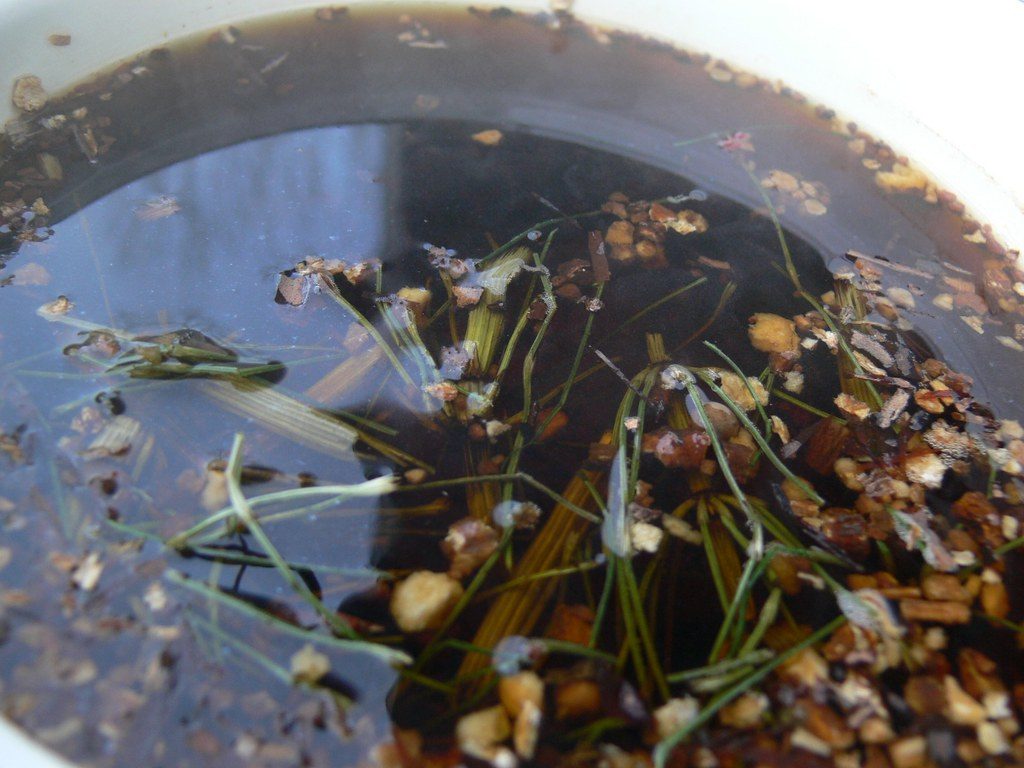
The Action: Boil water in your kettle. Once the water reaches a rolling boil, pour it over a tablespoon of loose horsetail leaves or one tea bag in your teapot. Let it steep for about 10 to 15 minutes. Strain the leaves if using loose leaves, and pour the tea into your favorite mug.
The Feeling: As you sip, you may notice a gentle warmth spreading through your body. The earthy flavor can be soothing, with a slight herbal note lingering on your palate. This comforting ritual can last throughout your morning, providing a sense of calm and focus.
Pro Tip: Experiment with adding lemon or honey to enhance flavor while boosting antioxidant properties.
Targeting Acute Pain
The Prep: For this use case, prepare horsetail tea as before, but consider adding ginger or turmeric for their anti-inflammatory effects. These ingredients can enhance the overall impact on discomfort.
The Action: Follow the same brewing steps, ensuring the ginger or turmeric is included with the horsetail. Steep for 15 minutes to allow the flavors to meld. Strain and enjoy while the tea is still warm.
The Feeling: You may experience a tingling sensation as the warmth travels through your body. The combination of horsetail and added spices can provide a comforting relief, especially in the joints. The soothing effects can last for several hours.
Pro Tip: Drink this tea twice daily when experiencing acute discomfort for maximum relief.
The Nighttime Routine
The Prep: Gather horsetail leaves, water, and a cozy blanket. Consider using a mug that retains heat well for a soothing bedtime ritual.
The Action: Brew your tea using the same method as before, allowing it to steep for a slightly longer time, around 15 to 20 minutes. This allows the nutrients to fully infuse into the water. The longer steeping time can enhance the flavor and benefits.
The Feeling: As you sip the warm tea in a relaxed environment, you may feel a calming effect washing over you. The earthy tones can create a sense of tranquility, preparing your body for a restful night. This sensation can linger as you settle into bed.
Pro Tip: Pair this tea with a calming bedtime routine, such as reading or meditation, to enhance relaxation.
Critical Errors to Avoid When Using Horsetail Tea
Using Low Quality Herbs
The quality of horsetail is paramount. Low-quality herbs may lack the essential nutrients needed for optimal health benefits. Contaminated or improperly processed horsetail can also lead to adverse effects.
To ensure you are using high-quality horsetail tea, source it from reputable brands that conduct rigorous quality testing. Look for organic options to avoid pesticides and chemicals. Investing in quality ensures that you reap the full benefits.
Neglecting Proper Dosage
Understanding the appropriate dosage is crucial. Overconsumption of horsetail tea can lead to potential side effects, including stomach upset or electrolyte imbalance.
It is advisable to start with one cup per day and gradually increase if desired. Monitoring your body’s response can help you find the right balance. Consulting with a healthcare provider can also provide personalized guidance.
Ignoring Other Health Factors
Relying solely on horsetail tea without considering other aspects of health can limit its effectiveness. Factors such as diet, hydration, and physical activity play significant roles in connective tissue health.
Integrating horsetail tea into a holistic wellness plan that includes balanced nutrition and regular exercise can enhance its benefits. Focusing on overall lifestyle changes can create a more substantial impact on connective tissue health.
The Science Behind Horsetail Tea
The biological mechanism of horsetail tea lies in its rich composition. Horsetail contains silica, a vital mineral that supports collagen production. Collagen is essential for the strength and elasticity of connective tissues. Increased silica intake can promote healthier skin, cartilage, and bones, leading to improved mobility and reduced discomfort.
Key compounds in horsetail, such as flavonoids and saponins, contribute to its anti-inflammatory properties. These compounds may reduce inflammation in joints and connective tissues, enhancing overall comfort and function. Understanding these components helps clarify how horsetail tea can be a beneficial addition to your wellness routine.
Clinical evidence supports the use of horsetail for connective tissue health. Studies indicate that silica supplementation can improve bone density and joint health. For a deeper understanding of the scientific background, refer to this PubMed search for relevant research articles.
Choosing the Right Product
-
Potency: Look for horsetail tea that specifies the amount of silica per serving. Higher potency means more effective support for connective tissue health.
-
Purity: Check for products that are free from additives, fillers, or artificial ingredients. Pure herbs ensure you receive the full benefits without unnecessary chemicals.
-
Form: Consider whether you prefer loose leaf or tea bags. Loose leaf often offers a fresher flavor and higher quality, while tea bags provide convenience.
Benefits vs Risks
| The Benefits | Potential Downsides |
|---|---|
| Rich in silica, promoting connective tissue health. | Excessive consumption may lead to gastrointestinal discomfort. |
| Natural anti-inflammatory properties. | May interact with certain medications. |
| Supports skin elasticity and appearance. | Not recommended for pregnant or breastfeeding women. |
Habits to Enhance Your Wellness
Incorporating resistance training into your routine can significantly benefit connective tissue health. Strength training promotes collagen production and strengthens muscles that support joints.
Maintaining hydration is essential for connective tissue function. Drinking adequate water supports the elasticity and flexibility of tissues, facilitating better mobility and overall health.
Who Should Avoid This?
– Pregnant or breastfeeding women
– Individuals taking diuretics or medications affecting electrolyte balance
– Those with known allergies to plants in the Equisetaceae family
Common Questions
What are the main benefits of horsetail tea?
Horsetail tea offers benefits such as improved connective tissue health, enhanced skin elasticity, and natural anti-inflammatory properties.
How often should I drink horsetail tea?
Starting with one cup daily is advisable, gradually increasing based on individual tolerance and health goals.
Can horsetail tea interact with medications?
Yes, horsetail may interact with diuretics or medications affecting electrolyte levels. Consulting a healthcare provider is recommended.
Is horsetail safe for everyone?
While many can safely consume horsetail tea, specific groups, such as pregnant women, should avoid it due to potential risks.
The Bottom Line
Horsetail tea can be a valuable addition to your wellness routine, especially for connective tissue health.
- The Truth: While horsetail tea has many benefits, it is not a substitute for a balanced diet and lifestyle.
- The Strategy: Enjoy horsetail tea in the morning or afternoon for sustained benefits.
- The Next Step: Consider pairing it with resistance training for enhanced effects on connective tissues.
Get Your FREE Natural Health Guide!
Subscribe now and receive our exclusive ebook packed with natural health tips, practical wellness advice, and easy lifestyle changes, delivered straight to your inbox.