
Bone health is often overlooked in discussions about overall wellness, yet it plays a critical role in maintaining a robust gut lining. Many individuals experience digestive issues, fatigue, or even mood swings without realizing that a compromised gut lining could be at the root of their problems. This situation can lead to a cascade of health challenges, including inflammation and nutrient malabsorption.
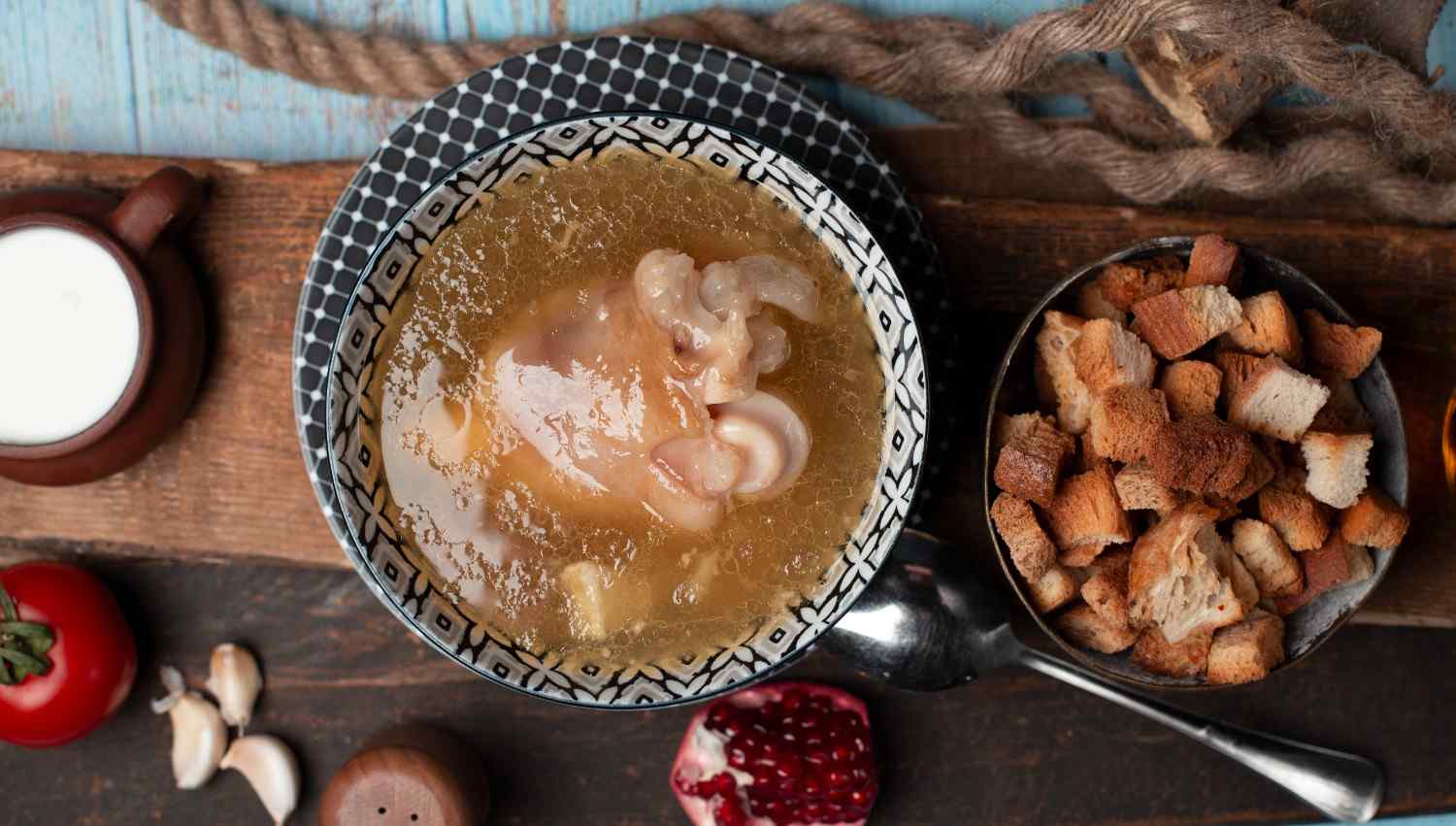
As we search for effective solutions, bone broth emerges as a nourishing powerhouse. Rich in collagen, amino acids, and minerals, bone broth not only supports joint and skin health but also offers substantial benefits for gut lining repair. The gelatin derived from bone broth can help seal and protect the intestinal lining, making it a prime candidate for those looking to enhance their digestive health.
Incorporating bone broth into a daily routine can transform your gut health. The warmth and comfort of a bowl of broth can also serve as a soothing ritual, promoting mindfulness and relaxation. This guide will delve into the practical applications of bone broth, common mistakes to avoid, and the science behind its gut-healing properties.
Understanding how to effectively use bone broth for gut health will empower you to make informed choices. The following sections will provide detailed instructions, scientific insights, and holistic lifestyle tips to maximize the benefits of this nourishing elixir.
Contents
How to Use Bone Broth for Real Results
- Best Form: Homemade or high-quality store-bought.
- Best Time: Morning or as a mid-afternoon snack.
- Expected Result: Improved gut lining and digestion.
For Daily Protection
The Prep: Start with high-quality bones, preferably from grass-fed animals. Gather additional ingredients such as apple cider vinegar, vegetables like carrots and celery, and herbs like thyme and bay leaves. Ensure your workspace is clean and organized to facilitate a smooth cooking process.
The Action: Place the bones in a large pot or slow cooker. Add water until the bones are submerged and include a splash of apple cider vinegar to help extract minerals from the bones. Toss in your vegetables and herbs. Cook on low heat for 12 to 24 hours, allowing the flavors to meld and nutrients to extract fully. Strain the broth and store it in the fridge or freezer.
The Feeling: Upon sipping this warm broth, you may experience a comforting warmth that spreads through your body. The rich, savory flavor can evoke a sense of nourishment. Expect to feel satiated and energized for hours.
Pro Tip: Consider making a large batch and freezing it in individual portions for easy access.
Targeting Digestive Discomfort
The Prep: Gather the same high-quality bones and add ginger and turmeric for their anti-inflammatory properties. Chop the ginger and turmeric roots finely to enhance their flavor and benefits.
The Action: Follow the same steps as before, adding the ginger and turmeric to the pot along with the bones, water, and vinegar. Allow it to simmer for an extended period. The goal is to extract the beneficial compounds from the added ingredients. Strain and enjoy.
The Feeling: The addition of ginger and turmeric can provide a warming sensation that may help ease digestive discomfort. You might notice a gentle tingling in your stomach as the broth works its magic. This should leave you feeling lighter and more at ease.
Pro Tip: Drink this broth when you feel bloated or have digestive upset for optimal relief.
The Nighttime Routine
The Prep: Prepare the same high-quality bones but include calming herbs like chamomile or lavender for a soothing effect. Ensure you have a cozy space to enjoy your broth before bed.
The Action: As you prepare your broth, add the calming herbs during the last hour of cooking. This will infuse the broth with their relaxing properties. Once it’s ready, pour it into a mug, allowing it to cool slightly before sipping.
The Feeling: The warm broth combined with calming herbs creates a serene sensation that may help you unwind. You might feel a gentle relaxation wash over you, preparing your body for restful sleep.
Pro Tip: Enjoy this broth about an hour before bedtime to promote better sleep quality.
Common Mistakes to Avoid
Using Low-Quality Bones
Choosing low-quality bones can significantly diminish the health benefits of bone broth. Bones from conventionally raised animals may contain toxins and lack essential nutrients. This can lead to a broth that does not provide the desired gut healing effects. Opt for bones from grass-fed, pasture-raised animals whenever possible. These bones are richer in nutrients and free from harmful chemicals, ensuring a more potent broth.
Additionally, the source of your bones matters. Bones from animals that have been raised in humane conditions often yield a broth that is not only healthier but also more flavorful. Research where your meat comes from and prioritize quality over cost.
Not Cooking Long Enough
Many people make the mistake of cooking bone broth for too short a time. Insufficient cooking will not extract enough collagen, gelatin, and minerals, leading to a broth that lacks its gut-healing properties. For optimal results, aim for a cooking time of at least 12 hours. The longer the simmering process, the more nutrients will be extracted from the bones.
Using a slow cooker can be beneficial for this purpose. It allows for low, slow cooking without constant supervision. The result will be a rich, gelatinous broth that is nutrient-dense and beneficial for gut health.
Ignoring Storage Methods
How you store your bone broth can impact its freshness and safety. Using non-airtight containers can lead to spoilage and loss of flavor. Always store bone broth in glass containers with tight seals or freezer bags, ensuring that you remove as much air as possible. This will help preserve the broth for future use while maintaining its nutritional value.
Labeling your containers with the date will also help you keep track of freshness. Aim to consume frozen broth within three months for the best flavor and nutritional benefits.
The Science Behind Bone Broth
The biological mechanism behind bone broth’s benefits lies in its rich composition. When bones simmer for extended periods, collagen breaks down into gelatin, which is crucial for gut lining integrity. Gelatin helps seal the gut lining by forming a protective barrier against harmful substances. This process is essential for maintaining a healthy gut microbiome and preventing issues like leaky gut syndrome.
Key compounds in bone broth include glycine and proline, two amino acids that support collagen synthesis. These amino acids are vital for repairing and maintaining the gut lining, providing the body with the necessary building blocks for healing. The presence of minerals such as calcium, magnesium, and phosphorus further enhances the broth’s health benefits, promoting overall well-being.
Clinical evidence supports the gut-healing properties of bone broth. Studies have shown that gelatin can significantly improve gut health by enhancing mucosal integrity and reducing inflammation. For a deeper dive into the research, visit this link to explore relevant studies.
Choosing the Right Product
– **Potency:** A higher concentration of nutrients is crucial for maximizing health benefits. Look for bone broth that specifies the amount of collagen and amino acids per serving to ensure you are getting an effective product.
-
Purity: Select products that are free from additives, preservatives, and artificial flavors. Pure bone broth will have a short ingredient list, typically just bones, water, and perhaps some vegetables or herbs.
-
Form: Bone broth is available in liquid, powder, and capsule forms. Liquid broth is often most effective, but powdered forms can be convenient for travel or cooking. Choose the form that best fits your lifestyle while ensuring it meets quality standards.
Pros & Cons
| The Benefits | Potential Downsides |
|---|---|
| Rich in collagen and amino acids that support gut health. | May cause digestive discomfort in some individuals, especially if consumed in excess. |
| Helps seal and protect the gut lining. | Quality can vary significantly between brands. |
| Provides essential minerals and nutrients. | Homemade versions require time and effort to prepare. |
Habits for Enhanced Benefits
Incorporating regular physical activity into your routine can significantly enhance gut health. Exercise promotes circulation and helps maintain a healthy digestive system. Consider activities such as walking, yoga, or strength training for holistic benefits.
Mindfulness practices like meditation or deep breathing can also complement your bone broth routine. These practices help reduce stress, which can negatively impact gut health. Taking a few moments each day to focus on your breath can make a meaningful difference.
Who Should Avoid This?
– Individuals with specific allergies to certain proteins found in animal products.
– Those with gout or high uric acid levels should consult a healthcare provider before consuming bone broth regularly.
– People following a strict vegetarian or vegan diet, as bone broth is animal-based.
Common Questions
Can I use vegetable broth instead of bone broth?
Vegetable broth lacks the collagen and amino acids found in bone broth, which are essential for gut health. While it can be a good alternative, it may not provide the same benefits.
How often should I consume bone broth?
For optimal gut health benefits, aim to consume bone broth daily or several times a week, depending on your dietary preferences.
Can I add spices to my bone broth?
Yes, adding spices like turmeric or ginger can enhance the flavor and health benefits of your broth. These spices have anti-inflammatory properties that complement the gut-healing effects of bone broth.
Is homemade bone broth better than store-bought?
Homemade bone broth allows for greater control over ingredients and quality, often resulting in a more nutrient-dense product. However, high-quality store-bought options can also be beneficial.
The Bottom Line
Bone broth can serve as a powerful ally in supporting gut health.
- The Truth: While beneficial, it is not a standalone solution for gut issues.
- The Strategy: Incorporate it into a balanced diet for maximum benefits.
- The Next Step: Consider coupling it with mindful eating practices for improved digestion.
Get Your FREE Natural Health Guide!
Subscribe now and receive our exclusive ebook packed with natural health tips, practical wellness advice, and easy lifestyle changes, delivered straight to your inbox.