
When I first heard about the health benefits of celery, I was skeptical. After all, it seemed like just another trend in the ever-evolving world of health and wellness. But after diving into research and trying out a few recipes, I discovered that a simple celery smoothie could be a game-changer, particularly for managing blood pressure.
Contents
- The Power of Celery: A Nutritional Overview
- Crafting the Perfect Celery Smoothie
- The Science Behind Celery for Blood Pressure
- Common Mistakes When Making Celery Smoothies
- Cultural Context: Celery in Traditional Medicine
- Practical Applications: Incorporating Celery Smoothies into Your Routine
- Addressing Common Myths About Celery
- FAQs About Celery Smoothies and Blood Pressure
- 1. Can celery smoothies replace my medication for high blood pressure?
- 2. How often should I drink a celery smoothie for the best results?
- 3. What other ingredients can I add to my celery smoothie?
- 4. Is it better to use fresh or frozen celery in smoothies?
- 5. Can I use celery juice instead of a smoothie?
- Reflecting on the Journey with Celery Smoothies
- Medical Disclaimer
- References
The Power of Celery: A Nutritional Overview
Celery is often overlooked in the vegetable aisle, but it’s packed with nutrients. A low-calorie food, it contains essential vitamins and minerals that play a pivotal role in heart health. Celery is rich in potassium, which helps regulate blood pressure by balancing sodium levels in the body. According to a study published in the American Journal of Clinical Nutrition, increasing potassium intake can significantly lower blood pressure, particularly in those with hypertension (He & MacGregor, 2010).
Celery and Its Nutritional Profile
- Vitamins: Celery is a good source of vitamin K, which is crucial for blood clotting and bone health.
- Minerals: Aside from potassium, celery contains calcium, magnesium, and sodium, all of which contribute to heart health.
- Antioxidants: Celery is rich in flavonoids, which have anti-inflammatory properties that can benefit cardiovascular health.
Crafting the Perfect Celery Smoothie
Now, let’s get into the nitty-gritty of making a celery smoothie that not only tastes good but is also a powerhouse for your health.
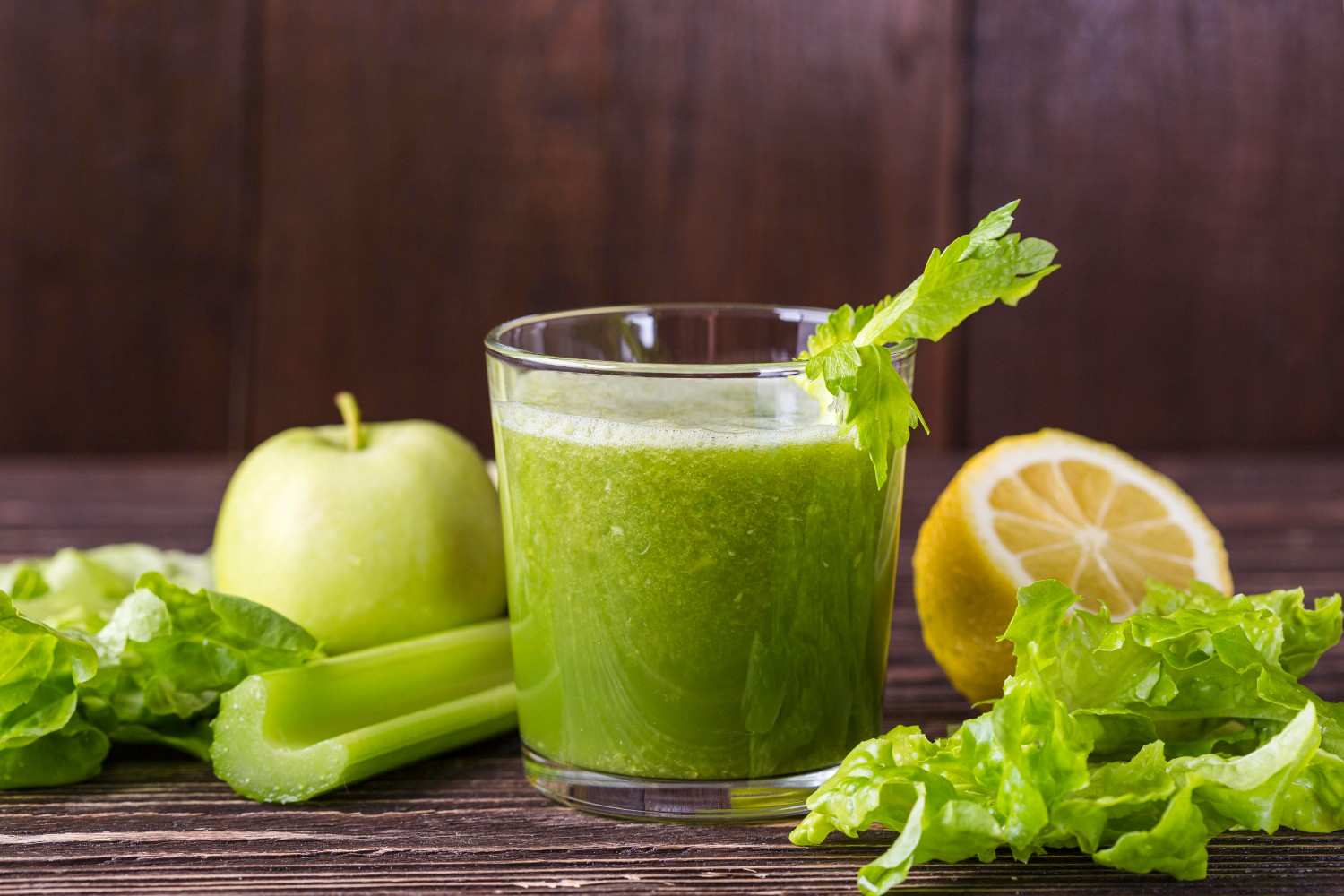
Basic Celery Smoothie Recipe
Ingredients:
- 2 stalks of fresh celery
- 1 apple (for sweetness)
- 1/2 cucumber (for hydration)
- Juice of 1/2 lemon
- A handful of spinach or kale (optional for added nutrients)
- 1 cup of water or coconut water
Instructions
-
Prep the Ingredients: Wash all your produce thoroughly. Chop the celery, apple, and cucumber into manageable pieces.
-
Blend: In a blender, combine all ingredients. If you’re using kale or spinach, add them in as well.
-
Adjust Consistency: Add more water or coconut water if the smoothie is too thick.
-
Taste and Adjust: If you prefer your smoothie sweeter, consider adding a small amount of honey or a date.
-
Serve: Pour it into a glass and enjoy immediately for the best taste and nutrient retention.
The Science Behind Celery for Blood Pressure
The connection between celery and blood pressure isn’t just anecdotal. A 2019 study published in the Journal of Agricultural and Food Chemistry indicated that celery contains phthalides, compounds that can help relax the tissues of blood vessels, enhancing blood flow and reducing blood pressure (Zhang et al., 2019). Regular consumption of celery may help those struggling with hypertension.
Real-life Example: A Personal Journey
I remember a friend who struggled with high blood pressure. After several visits to the doctor, he was advised to make some lifestyle changes. He started incorporating celery smoothies into his daily routine, and within a few months, his blood pressure readings improved. While he also made other dietary adjustments, he credited his newfound love for celery smoothies as a key factor.
Common Mistakes When Making Celery Smoothies
While making a celery smoothie is straightforward, there are some common pitfalls to avoid:
-
Overloading on Sweeteners: Adding too much fruit or sweeteners can counteract the health benefits of celery. The goal is to keep it healthy and low in sugar.
-
Neglecting Hydration: Celery is hydrating, but adding a liquid base like coconut water or plain water can enhance the smoothie’s consistency and overall health benefits.
-
Ignoring Other Ingredients: While celery is the star, don’t forget that other ingredients, such as leafy greens or even a scoop of protein powder, can elevate the nutritional profile.
Cultural Context: Celery in Traditional Medicine
Historically, celery has been used in various cultures for its medicinal properties. Traditional Chinese medicine often utilizes celery for its cooling properties and its ability to clear heat from the body. In ancient Egypt, celery was used as a remedy for various ailments. Understanding these cultural uses can deepen our appreciation for this versatile vegetable.
Practical Applications: Incorporating Celery Smoothies into Your Routine
Integrating celery smoothies into your daily routine can be simple. Here are a few practical tips:
-
Morning Boost: Start your day with a celery smoothie instead of your usual breakfast. It offers a refreshing start and can be a great way to hydrate after a night’s sleep.
-
Post-Workout Recovery: The potassium in celery can help replenish electrolytes lost during exercise. Consider a celery smoothie as a post-workout recovery drink.
-
Snack Replacement: When cravings hit, opt for a celery smoothie instead of high-calorie snacks. It can keep you full while providing essential nutrients.
Counterpoints to Consider
While celery smoothies can be beneficial, they may not be a cure-all. Some individuals may experience digestive discomfort from consuming too much fiber or may not enjoy the taste of celery. If you’re new to smoothies, start with smaller quantities to see how your body reacts.
Addressing Common Myths About Celery
Myth: Celery is a ‘Negative Calorie’ Food
You may have heard that celery is a “negative calorie” food, meaning it takes more energy to digest than it provides. While it’s low in calories, this concept is more myth than reality. The truth is, celery does provide calories, but it’s still an excellent choice for weight management due to its high water and fiber content.
Myth: Celery Alone Can Lower Blood Pressure
While celery can contribute to lowering blood pressure, it’s not a standalone solution. A balanced diet, regular exercise, and other lifestyle changes are crucial for managing hypertension effectively.
FAQs About Celery Smoothies and Blood Pressure
1. Can celery smoothies replace my medication for high blood pressure?
No, celery smoothies should not replace prescribed medications. Always consult your healthcare provider for personalized advice.
2. How often should I drink a celery smoothie for the best results?
Incorporating a celery smoothie into your daily routine can be beneficial. However, listen to your body and adjust based on your preferences and health needs.
3. What other ingredients can I add to my celery smoothie?
You can add various ingredients, such as ginger, turmeric, or even protein powder, to enhance the flavor and nutritional profile.
4. Is it better to use fresh or frozen celery in smoothies?
Fresh celery is typically recommended for the best flavor and nutrient content. However, if you prefer a colder smoothie, you can use frozen celery.
5. Can I use celery juice instead of a smoothie?
While celery juice has its benefits, it lacks the fiber found in whole celery. Smoothies provide a more balanced nutritional profile.
Reflecting on the Journey with Celery Smoothies
As I continue to explore the benefits of celery smoothies, I find myself more curious about other vegetables and their potential health impacts. This journey into the world of nutrition has opened my eyes to the power of simple ingredients.
Celery may seem unassuming, but its benefits for blood pressure and overall health are profound. As you embark on your own journey with celery smoothies, consider the broader implications of your dietary choices. Each ingredient you add to your smoothie is a step toward better health.
Medical Disclaimer
This article is for educational purposes only and does not replace professional medical guidance. Always speak with a qualified healthcare provider before making changes to your health routine.
References
-
He, F. J., & MacGregor, G. A. (2010). Importance of potassium in cardiovascular disease. American Journal of Clinical Nutrition. Link
-
Zhang, Y., et al. (2019). Phytochemical composition and antioxidant activity of celery (Apium graveolens L.). Journal of Agricultural and Food Chemistry. Link
-
U.S. Department of Agriculture. (2020). FoodData Central: Celery. Link
Get Your FREE Natural Health Guide!
Subscribe now and receive our exclusive ebook packed with natural health tips, practical wellness advice, and easy lifestyle changes, delivered straight to your inbox.