
Beetroot juice has gained significant attention in recent years, particularly regarding its potential benefits for enhancing athletic performance and improving cardiovascular health. One of the most compelling aspects of beetroot juice is its ability to boost nitric oxide levels in the body. Nitric oxide is a vital molecule that plays a crucial role in regulating blood flow, oxygen delivery, and overall cardiovascular function. For individuals looking to improve their performance, endurance, or even general health, understanding how beetroot juice can influence nitric oxide production is essential.

The challenges many face, such as fatigue during workouts, diminished recovery, and even elevated blood pressure, can often stem from inadequate nitric oxide levels. This is where beetroot juice comes into play as a natural and effective solution. By incorporating beetroot juice into one’s routine, individuals may not only enhance their physical performance but also support their cardiovascular health. This guide will delve deep into the mechanisms through which beetroot juice operates and how to effectively incorporate it into your daily regimen to maximize its benefits.
Understanding how beetroot juice operates begins with recognizing its key components. Beetroots are rich in nitrates, which the body converts into nitric oxide. This process is crucial for improving vasodilation, which enhances blood flow and can lead to improved stamina and performance. As the body becomes more efficient at utilizing oxygen, the benefits can extend far beyond just athletic performance. Enhanced blood flow can also lead to improved cognitive function, better nutrient delivery, and overall health benefits.
In the following sections, we will explore the practical applications of beetroot juice, common mistakes to avoid, the scientific mechanisms behind its effects, and how to choose the right products. This comprehensive guide aims to empower you with the knowledge needed to make informed decisions about incorporating beetroot juice into your wellness routine.
Contents
- How to Use Beetroot Juice for Real Results
- Avoiding Common Mistakes with Beetroot Juice
- The Biological Mechanism Behind Nitric Oxide Production
- Choosing the Right Beetroot Juice Product
- Assessing the Pros & Cons of Beetroot Juice
- Incorporating Healthy Habits
- Who Should Avoid This?
- Common Questions
- The Bottom Line
How to Use Beetroot Juice for Real Results
- Best Form: Freshly extracted juice
- Best Time: 30 to 60 minutes before exercise
- Expected Result: Enhanced endurance and reduced fatigue
For Daily Protection
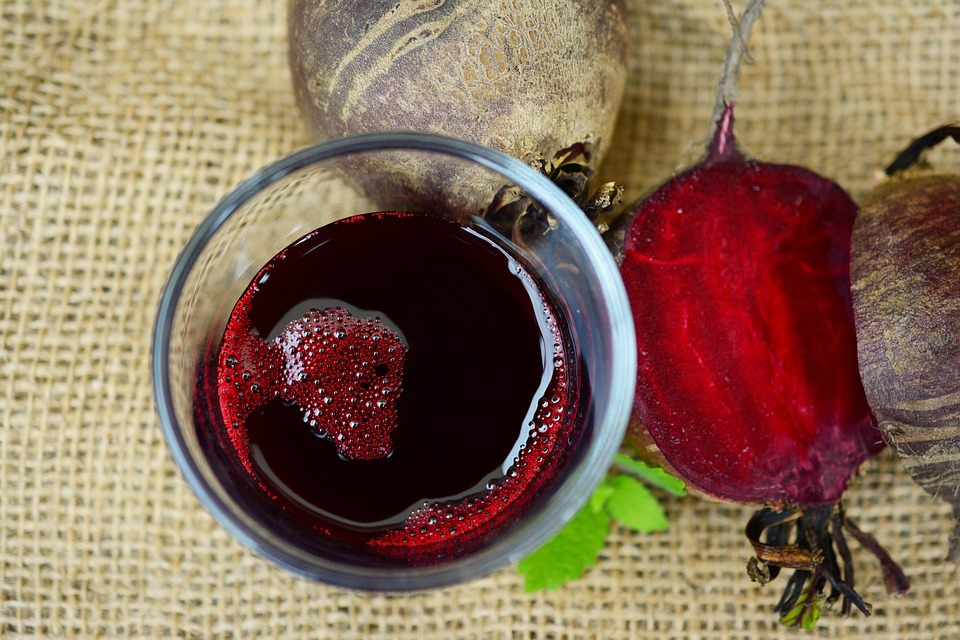
The prep for incorporating beetroot juice into your daily routine is simple. You will need fresh beetroots, a juicer, and possibly some lemon juice for added flavor. Ensure the beetroots are washed thoroughly to remove any dirt. Cut them into manageable pieces to fit into your juicer.
The action involves juicing the beetroots. Start by placing the beet pieces into the juicer and extracting the juice. If desired, mix in a splash of lemon juice to enhance the flavor. Drink this juice first thing in the morning for optimal absorption.
The feeling after consuming beetroot juice can be refreshing and invigorating. Many report a slight tingling sensation in the body as blood flow increases. This effect may last for several hours, providing a natural uplift in energy levels.
Pro Tip: Pair the juice with a light breakfast for a more balanced start to your day.
Targeting Acute Fatigue
For those facing acute fatigue, the preparation requires a focus on timing. Gather fresh beetroots and your juicer. Having a cooling agent like ice or coconut water can also enhance the drink’s refreshing qualities.
The action involves juicing the beetroots as described previously. After juicing, mix the beetroot juice with coconut water to help hydrate and replenish electrolytes. Consume this mixture immediately after a workout or during a midday slump.
The feeling after this combination is often revitalizing. Users frequently report a noticeable reduction in fatigue and a quicker recovery post-exercise. Expect a lasting effect that can carry you through the rest of your day.
Pro Tip: Consider adding a pinch of salt to the juice for added electrolyte benefits.
The Nighttime Routine
When preparing beetroot juice for a nighttime routine, ensure you have fresh beetroots, a juicer, and some ginger for a soothing effect. The beetroots should be peeled and cut into smaller pieces.
The action requires juicing the beetroots and ginger together. The ginger adds a warming flavor that can be soothing before bed. Drink this mixture about an hour before bedtime to help relax the body.
The feeling after consuming this juice can be calming. Many report a soothing effect that promotes relaxation and aids in sleep. This can also enhance blood flow, which is beneficial for recovery during sleep.
Pro Tip: Avoid consuming beetroot juice too close to bedtime if you are sensitive to the stimulating effects of nitrates.
Avoiding Common Mistakes with Beetroot Juice
Using Low Quality Ingredients
One significant mistake is opting for low-quality or processed beetroot juice. Many commercial juices contain added sugars, preservatives, and other artificial ingredients that can negate the health benefits. These additives can interfere with the natural nitrates and reduce the effectiveness of the juice.
Choosing high-quality, organic beetroots ensures that you receive the maximum benefits. Freshly juiced beets contain higher nitrate levels and fewer unwanted additives. Always read labels carefully and opt for products that emphasize purity and quality.
Neglecting Proper Timing
Timing is crucial when consuming beetroot juice. Many individuals make the mistake of drinking it at random times throughout the day without considering its effects on performance. For best results, it should be consumed 30 to 60 minutes before physical activity.
This timing allows the body to convert nitrates into nitric oxide effectively. Drinking it too early or too late can diminish its performance-enhancing effects. Establish a routine that includes beetroot juice before workouts for optimal benefits.
Ignoring Individual Tolerance
Another common error is not considering personal tolerance to beetroot juice. Some individuals may experience gastrointestinal discomfort or other reactions. This can be particularly true for those not accustomed to high-nitrate foods.
Start with smaller amounts of beetroot juice and gradually increase the intake as your body adapts. Pay attention to how your body responds and adjust accordingly. This approach ensures that you can enjoy the benefits without unwanted side effects.
The Biological Mechanism Behind Nitric Oxide Production
Beetroot juice operates primarily through its high nitrate content. When consumed, nitrates are converted into nitrites by bacteria present in the mouth. Once ingested, nitrites are further transformed into nitric oxide in the stomach and bloodstream. This process is vital for enhancing blood flow and oxygen delivery throughout the body.
The key compound responsible for these effects is dietary nitrate. Studies show that dietary nitrates can significantly increase plasma nitrite levels. This increase correlates with improved exercise performance and cardiovascular health. The conversion of nitrates to nitrites and then to nitric oxide plays a crucial role in vasodilation and overall cardiovascular function.
Clinical evidence supports these claims. Research published in the journal “Nitric Oxide” has shown that beetroot juice consumption can lead to significant increases in nitric oxide levels, resulting in improved exercise capacity and cardiovascular health. For further reading, you can explore more on this topic through PubMed.
Choosing the Right Beetroot Juice Product
-
Potency: Ensure the product contains a high concentration of nitrates. This is crucial for achieving the desired effects on nitric oxide levels and overall health.
-
Purity: Opt for products that are free from added sugars or preservatives. Pure beetroot juice maximizes the health benefits and minimizes unwanted additives.
-
Form: Consider whether you prefer liquid juice, powder, or capsules. Each form has its pros and cons, so choose one that fits seamlessly into your lifestyle.
Assessing the Pros & Cons of Beetroot Juice
| The Benefits | Potential Downsides |
|---|---|
| Enhances athletic performance by increasing endurance. | May cause gastrointestinal discomfort in some individuals. |
| Improves blood flow and cardiovascular health. | Can lead to a temporary drop in blood pressure, affecting some users. |
| Rich in antioxidants and vitamins. | Not suitable for everyone, especially those with certain medical conditions. |
Incorporating Healthy Habits
Pairing beetroot juice with healthy lifestyle habits can amplify its benefits. Regular physical activity is essential, as it complements the effects of nitric oxide in enhancing performance and recovery. Consider incorporating strength training and aerobic exercises into your routine.
Another habit to consider is maintaining proper hydration. Drinking enough water supports the body’s ability to utilize the increased blood flow from beetroot juice effectively. Staying hydrated ensures optimal performance and recovery.
Who Should Avoid This?
- Individuals with a history of kidney stones, as high oxalate levels may exacerbate conditions.
- Those on blood pressure medications, due to potential interactions that may lower blood pressure excessively.
- Pregnant or breastfeeding women should consult healthcare providers before use.
- Individuals with certain gastrointestinal conditions may experience discomfort.
Common Questions
Can beetroot juice help with weight loss?
Beetroot juice may support weight loss due to its low-calorie content and ability to enhance metabolism through improved blood flow.
How often should I consume beetroot juice?
For optimal results, it is recommended to consume beetroot juice daily or before workouts, depending on your goals.
Is there a best time to drink beetroot juice?
Drinking beetroot juice 30 to 60 minutes before physical activity maximizes its performance-enhancing effects.
Can I mix beetroot juice with other ingredients?
Yes, mixing beetroot juice with ingredients like lemon or ginger can enhance flavor and provide additional health benefits.
The Bottom Line
Beetroot juice offers numerous health benefits, particularly in boosting nitric oxide levels.
- The Truth: While effective, the results can vary based on individual tolerance and quality of the juice.
- The Strategy: Aim to consume it before workouts for the best performance enhancement.
- The Next Step: Consider integrating regular strength training into your routine to complement the effects of beetroot juice.
Get Your FREE Natural Health Guide!
Subscribe now and receive our exclusive ebook packed with natural health tips, practical wellness advice, and easy lifestyle changes, delivered straight to your inbox.