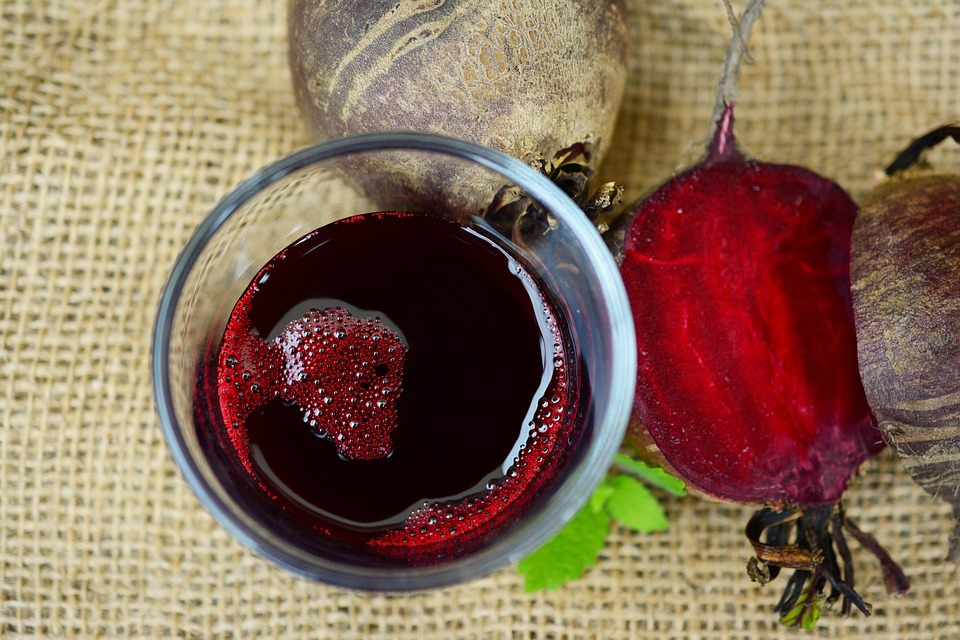

Beet juice has gained attention as a powerful natural remedy for various health concerns, particularly in promoting liver health. The liver plays a crucial role in detoxification, processing nutrients, and regulating metabolism. However, modern lifestyles, with their high levels of processed foods, alcohol, and environmental toxins, can overwhelm this vital organ. This can lead to a buildup of toxins and fat, resulting in conditions such as fatty liver disease or liver inflammation.

Many individuals are seeking natural solutions to support liver function and overall well-being. Beet juice, rich in antioxidants and essential nutrients, is emerging as a promising option for those looking to cleanse their liver and enhance its detoxification abilities. This vibrant juice contains compounds that may help reduce inflammation, improve blood flow, and support liver cell regeneration.
Understanding how to effectively incorporate beet juice into a wellness routine can make a significant difference. By exploring the specific methods, common mistakes, and the underlying science, individuals can make informed decisions about using beet juice for liver support. This guide aims to provide a comprehensive overview of beet juice as a natural detox solution, equipping readers with the knowledge to harness its benefits.
Exploring the practical applications, scientific mechanisms, and potential pitfalls of beet juice will help individuals maximize its effectiveness for liver health. Whether you are new to beet juice or have experience with it, this guide will offer valuable insights into making the most of this natural detox solution.
Contents
How to Use Beet Juice for Real Results
- Best Form: Freshly extracted juice
- Best Time: Morning on an empty stomach
- Expected Result: Enhanced detoxification and improved energy levels
For Daily Protection
The preparation for daily consumption of beet juice is simple. Start with fresh, organic beets to ensure maximum nutrient content. Wash and peel the beets, then chop them into smaller pieces for easier juicing. Consider adding a piece of ginger or a carrot for added flavor and health benefits.
When it comes to the action, using a juicer is the most efficient method. Feed the chopped beets into the juicer and collect the juice in a clean container. Aim for about 8 ounces of beet juice for a daily dose. Consume this juice first thing in the morning to kickstart your metabolism and prepare your liver for the day ahead.
The feeling after drinking beet juice can be invigorating. Many people report a tingling sensation as the nutrients enter the bloodstream. This refreshing burst of energy can last for several hours, helping you feel more alert and focused throughout the day.
Pro Tip: Pair your beet juice with a squeeze of lemon for added vitamin C and flavor enhancement.
Targeting Acute Liver Stress
To address acute liver stress, consider making a concentrated beet juice blend. Gather fresh beets, apples, and a handful of spinach. The apples add sweetness, while spinach provides additional nutrients. Wash and chop all ingredients for juicing.
For the action, juice the beets, apples, and spinach together. This combination not only tastes delicious but also packs a powerful punch of antioxidants and vitamins. Aim for a serving of about 10 ounces and consume it when experiencing feelings of fatigue or sluggishness, signaling potential liver strain.
After drinking this concentrated mix, you may feel an immediate sense of relief. The antioxidants work quickly to help reduce oxidative stress in the liver. Many users report an uplifting feeling shortly after consumption, often lasting a few hours.
Pro Tip: Drink this blend within 30 minutes of juicing to ensure maximum freshness and nutrient retention.
The Nighttime Routine
For those looking to incorporate beet juice into their evening routine, prepare a calming beet and chamomile blend. Start with fresh beets, and choose dried chamomile flowers. Wash and chop the beets, then steep the chamomile in hot water to create a soothing tea base.
The action begins with juicing the beets and mixing the fresh juice with the chamomile tea. Allow the mixture to cool slightly before consuming. This drink can be enjoyed about an hour before bedtime to promote relaxation while supporting liver detoxification during sleep.
After consuming this blend, a calming sensation washes over many individuals, preparing the body for rest. The combination of beet juice and chamomile can help soothe the digestive system, promoting a peaceful night’s sleep.
Pro Tip: Add a teaspoon of honey to sweeten the drink naturally and enhance its soothing properties.
Avoiding Common Pitfalls
Using Low Quality Ingredients
Opting for low-quality, non-organic beets can dilute the potential health benefits of beet juice. Conventional farming practices may involve pesticides and other chemicals that can compromise the purity of the juice. Such ingredients may not only be less effective but can also introduce harmful toxins into your system.
To avoid this mistake, always choose fresh, organic beets whenever possible. This ensures that you are consuming a product free from harmful chemicals. Investing in high-quality ingredients enhances the overall effectiveness of your detox efforts and supports your liver health.
Neglecting Hydration
Many individuals focus solely on beet juice without considering the importance of overall hydration. Failing to drink enough water can lead to dehydration, which may counteract the benefits of beet juice. Proper hydration is crucial for supporting liver function and aiding the detoxification process.
To address this mistake, make it a habit to drink plenty of water throughout the day. Aim for at least eight glasses of water daily, adjusting based on activity levels and individual needs. Combining hydration with beet juice will enhance its detoxifying effects and promote optimal liver health.
Overconsumption
While beet juice can be beneficial, consuming it in excessive amounts may lead to side effects, such as digestive discomfort or changes in urine color. Moderation is key to reaping the benefits without experiencing adverse effects.
To prevent overconsumption, limit your intake to one to two servings of beet juice per day. Listen to your body and adjust your intake based on how you feel. This approach allows you to enjoy the benefits without overwhelming your system.
The Science Behind Beet Juice
The biological mechanism of beet juice’s liver support lies in its high concentration of nitrates and antioxidants. Nitrates convert to nitric oxide within the body, which improves blood flow and oxygen delivery to tissues. This process enhances liver function by promoting efficient detoxification and nutrient processing.
One key compound found in beet juice is betaine. Betaine plays a crucial role in liver health by aiding in the metabolism of fats and reducing the risk of fatty liver disease. It also has anti-inflammatory properties that help protect liver cells from damage.
Clinical evidence supports the benefits of beet juice for liver health. A study published in the journal Nutrients highlighted that beetroot supplementation improved liver function markers and reduced oxidative stress in individuals with metabolic syndrome. For more detailed information, refer to this PubMed search.
Choosing the Right Product
– **Potency:** Look for juices with a high concentration of beets. Higher potency often correlates with more significant health benefits.
– **Purity:** Ensure the juice is free from additives, preservatives, or artificial flavors. Pure beet juice maximizes the health benefits without unwanted chemicals.
– **Form:** Consider whether you prefer fresh juice or powdered forms. Fresh juice provides immediate nutrients, while powdered forms offer convenience for on-the-go use.
Pros & Cons
| The Benefits | Potential Downsides |
|---|---|
| Rich in antioxidants that help combat oxidative stress | May cause digestive discomfort if consumed in excess |
| Supports liver detoxification and regeneration | Can lead to changes in urine color, which may be alarming |
| Enhances blood flow and nutrient delivery | Interactions with certain medications may occur |
Habits that Enhance Benefits
Incorporating regular physical activity can significantly enhance the benefits of beet juice. Exercise promotes circulation and aids in the detoxification process, making it easier for the liver to function optimally.
Adopting a balanced diet rich in whole foods complements the liver-supporting properties of beet juice. Foods high in fiber, antioxidants, and healthy fats can further aid liver function and overall health.
Who Should Avoid This?
– Individuals with a history of kidney stones should exercise caution due to high oxalate levels in beets.
– Those on blood pressure medications should consult their healthcare provider, as beet juice can lower blood pressure.
– People with allergies to beets or related plants should avoid consumption to prevent adverse reactions.
Common Questions
How often should I drink beet juice?
Aim for one to two servings daily, adjusting based on your body’s response and overall hydration.
Can beet juice help with weight loss?
Beet juice may support weight loss by improving metabolism and promoting fat breakdown, especially when combined with a balanced diet and exercise.
Is there a best time to drink beet juice?
Morning on an empty stomach is ideal for maximizing its detoxification benefits and energy-boosting effects.
Can I mix beet juice with other juices?
Yes, combining beet juice with other fruits and vegetables can enhance flavor and nutrient diversity.
The Bottom Line
Beet juice can be a valuable addition to your liver health regimen.
- The Truth: While beneficial, it should be used in moderation.
- The Strategy: Morning consumption on an empty stomach is optimal.
- The Next Step: Incorporate regular exercise to amplify its effects.
Get Your FREE Natural Health Guide!
Subscribe now and receive our exclusive ebook packed with natural health tips, practical wellness advice, and easy lifestyle changes, delivered straight to your inbox.